More Poetry in Tokyo
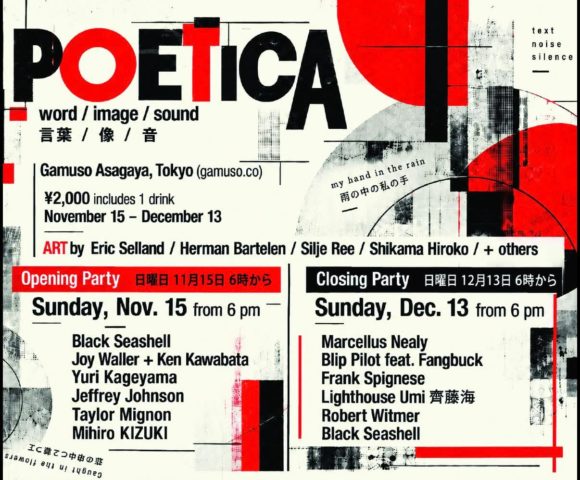
I’m reading at “POETICA word/image/sound” at Gamuso in Asagaya, Tokyo SUN Nov. 15, 2026. Thanks to Herman Bartelen for having me as one of the poets.
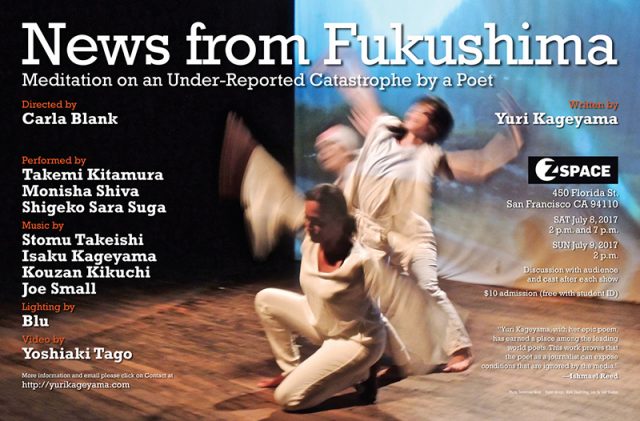
More Poetry in Tokyo
I’m reading at “POETICA word/image/sound” at Gamuso in Asagaya, Tokyo SUN Nov. 15, 2026. Thanks to Herman Bartelen for having me as one of the poets.
My Poetry in Great Company
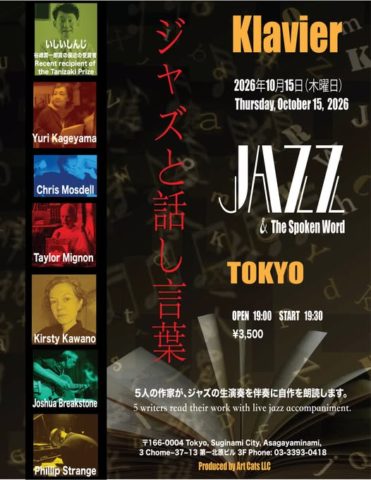
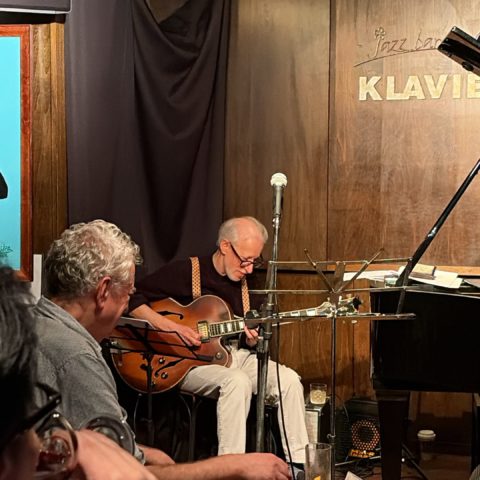
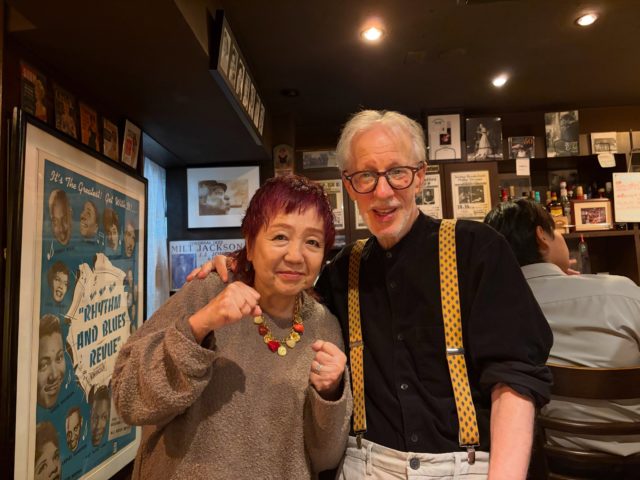
I read my poems “ode to the stroller,” “Mono no aware” and “Fearless at 90” with Joshua Breakstone in Jazz and the Spoken Word THU Oct. 15, 2026, at Klavier in Tokyo.
ode to the stroller
a poem by Yuri Kageyama
we zip weightless like silent angels
up and down San Francisco hills
running on the mother of all energy
greener than solar
rolling rolling rolling
with laughter
cream acid rock ‘n’ rolling
lightning dazzling wheels
gara-gara-gara-gara
teethers jangling dangling dancing
going mad on strangle-free rubbery ribbons
up and down the Avenues
J-town, Clement Street
Golden Gate Park
Museum of Modern Art
we are singing:
“Ouma no oyako wa nakayoshi koyoshi
itsudemo issho ni pokkuri pokkuri aruku”
perfume wind in our hair
springing over potholes
not even stopping just for breast feeds
connected as one through this magical machine
me pushing
you riding
the Lamborghini of strollers
the Gundam of strollers
the little train that could of strollers
up up up into the joyous clouds
zooming wheeeeee
down slurping slopes
around swervacious curves
we are one
yes, we are one
tied in the past with our
umbilical cord
and
even in death
in our dreams
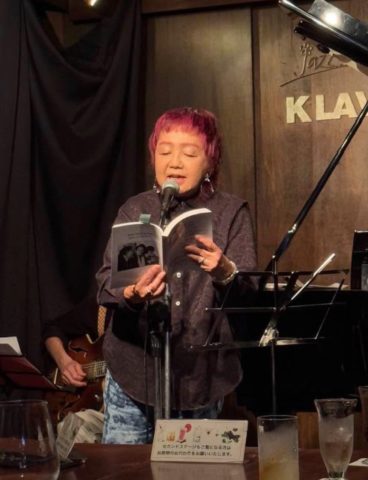
MONO NO AWARE a poem by Yuri Kageyama
Mono no aware
To be or not to be
Things fall apart
A room of one’s own
The sound of water
One hundred years of solitude
So blessed we are
To be natives
Of this eternal tribe

FEARLESS AT 90 a poem by Yuri Kageyama
I am fearless at 90
Wrinkles deep as the Nile
Hair translucent spiderwebs
Varicose veins throbbing blood
A map of fate on a carcass of skin
I am fearless at 90
I rap poetry with my dentures
Jazz dance with my wobbly knees
I rock like Jimi Hendrix
We Boomers invented Revolution
I am fearless at 90
I’m so close to the pearly gates
I’m on speaking terms with the angels
I’m so near-sighted I read minds
My fungus breath slays dragons
I am fearless at 90
My wheelchair zips Ferrari-style
My voice resonates five octaves low
My cane duplicates as a samurai sword
My hearing aid just blocks out noise
I am fearless at 90
I have no appointments to keep
No bosses to please
No dates to impress
No one can put me down
I am fearless at 90
I barely remember what’s up or down
Or who is where anymore;
Beyond gender, race, class,
Or even age
I am fearless at 90
My skin like washi paper
My fingers gnarled like a witch
I am neither man nor woman
White, black, brown or yellow.
I am just 90, and fearless:
Those days are long gone,
Not trusting anyone over 30,
I’ve given birth to a thousand children
And have a million grandchildren
I am fearless at 90
Although death is around the corner,
I’ve seen war and peace
Endured abuse to survive;
Don’t expect or need respect
I’m proud to be fearless at 90
Hagi Yaki _ a poem by Yuri Kageyama
My mother died a long time ago
But she talks to me a lot lately
Like this morning
When I arrange the branches found
In her Hagi Yaki vase;
I hear her voice,
As clear as yesterday:
“He already totally forgives you,”
“Mou zenbu yurushiteruno,”
About my longtime partner,
A remark,
The significance of which
I’m just
Gradually
Starting to Understand,
So many, many years later,
Maybe because now I’ve
Finally entered that stage
When I am going to join them all
Soon
On that other side,
Eternal and perfect,
Forgiving all.
>___<
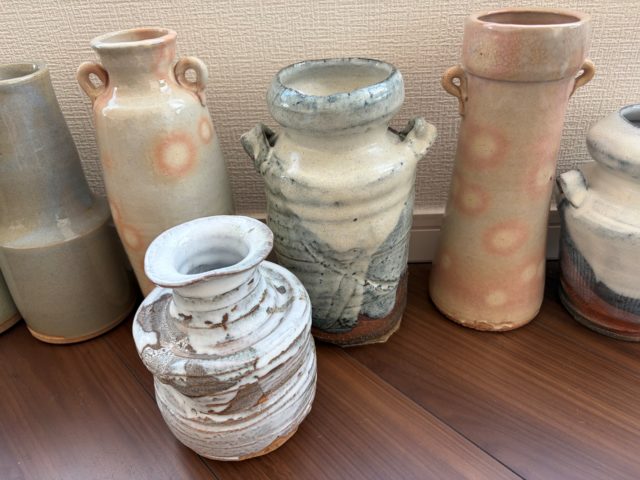
The vases in the photo are a part of my parents’ Hagi Yaki collection that I was lucky enough to inherit. My father worked as an engineer at IHI and NASA but took early retirement and became a professor at Yamaguchi University in Ube, a long skip from Tokyo. But they were the happiest they had ever been there. They became friends with the Hagi Yaki artists, because Hagi is relatively near Ube, and got their artworks straight from the “kama,” or the oven where the pottery is baked, eliminating the middle-men, i.e., discount prices from National Treasures. The vases remind me of how beauty _ and love _ can endure over the passage of time and spaces.
My poetry an honorable mention in “The Terrible Fives” by Ishmael Reed

Coming November 2026. I am thrilled to get an honorable mention in “The Terrible Fives,” the upcoming book by Ishmael Reed, my longtime mentor since my UC Berkeley days.
IT IS OK a poem by Yuri Kageyama
it is OK
to idealize
he is now
an angel
or
at least that’s
what they say
he never laid eyes on another
he always brought home the pay check
he never broke anything
and he never snored
it is OK to believe
all those things
and think he was, will be
perfect
This piece came about as part of the Poetry Challenge, a group in Tokyo that shares work on a given theme. The theme was “Dreamtime.” I’m sharing it here because it turned out nicely, if I may say so, with the title “It Is OK.”
The link below shows what our son Isaku did with the poem using AI. The link at the top is a real human version by Isaku’s Berklee friends, singer Tea with Hiroshi Tokieda. I know the man whom I loved all my life will be proud of this poem _ and the music.
A Podcast about my writing
And on Amazon Podcast
And a Video on LinkedIn
I talk about my journalism and other thoughts. This was done in April 2026, but is being re-released August 2026.
My AP Stories for 2025. My AP Stories for 2024. The links for 2023 and My AP stories from past years.
My AP Stories for 2026
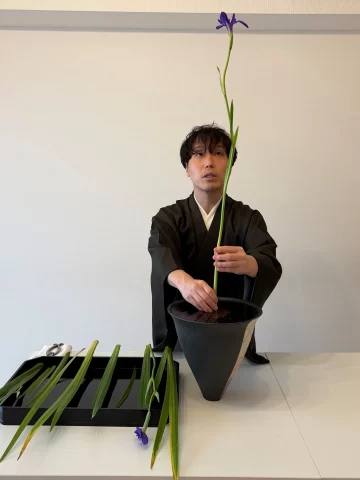
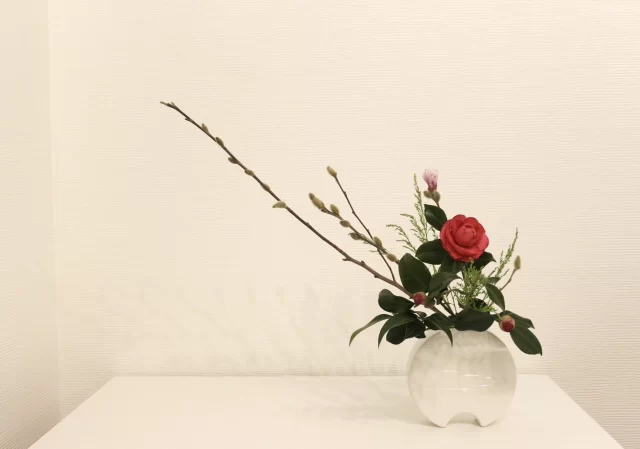
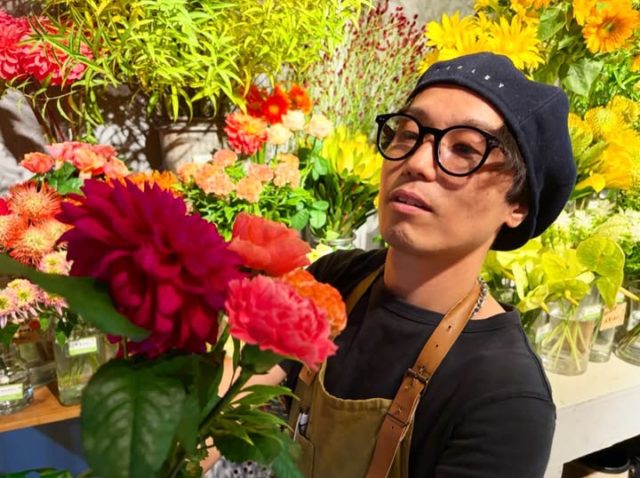
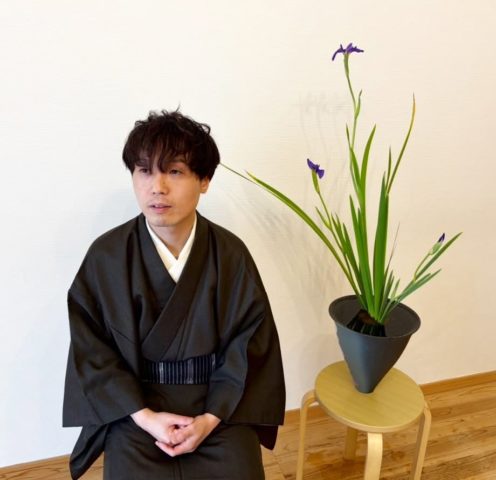
My AP Story and My AP Photo Sept. 22, 2026 about ikebana. The photo editor chose two of my own arrangements to relay with the story. The caption doesn’t say that although the editor did ask, and I said they are mine.
This Photo did not move with My AP Story about ikebana, but this is how the teacher looks in everyday life so sharing.
And this photo shows the completed arrangement.
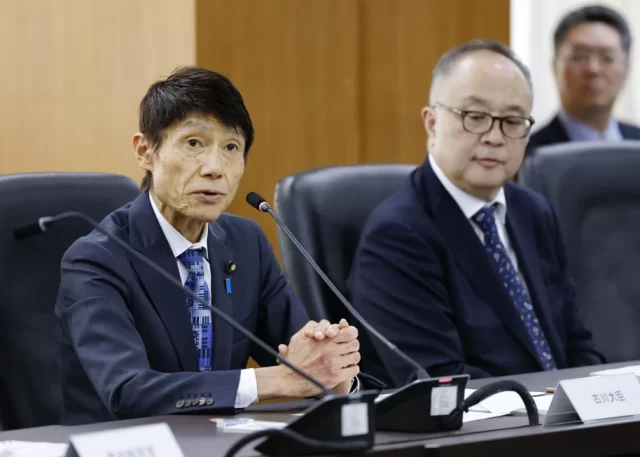
My AP Story Oct. 9, 2026 about the rising cases of cyberattacks.
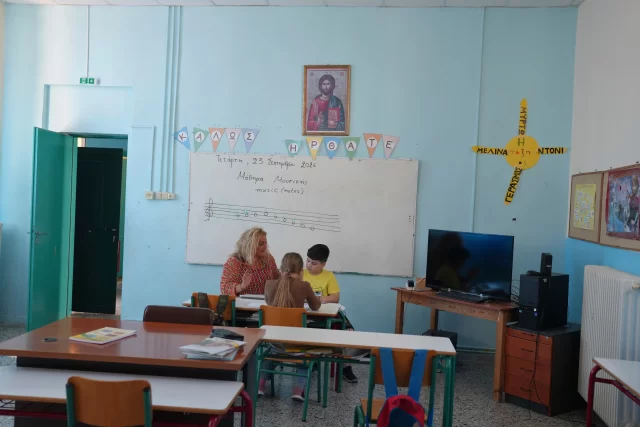
I’m a Contributor to this AP Story Oct. 5, 2026 about the population decline.
My AP Story Oct. 1, 2026 about the Bank of Japan “tankan” economic survey.
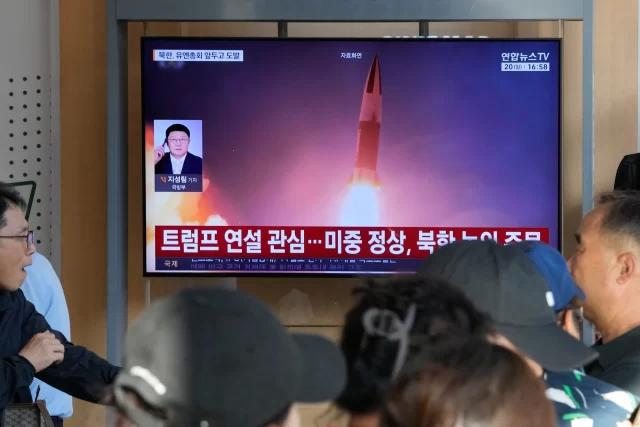
I’m a Contributor to this AP Story Sept. 20, 2026 and Oct. 3, 2026 about North Korea firing a missile.
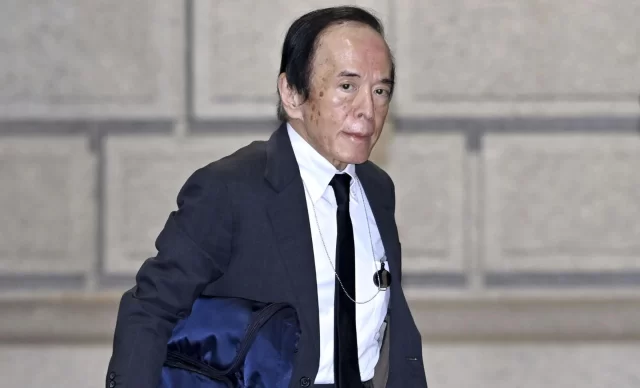
My AP Story Sept. 18, 2026 on the Bank of Japan raising the benchmark rate.
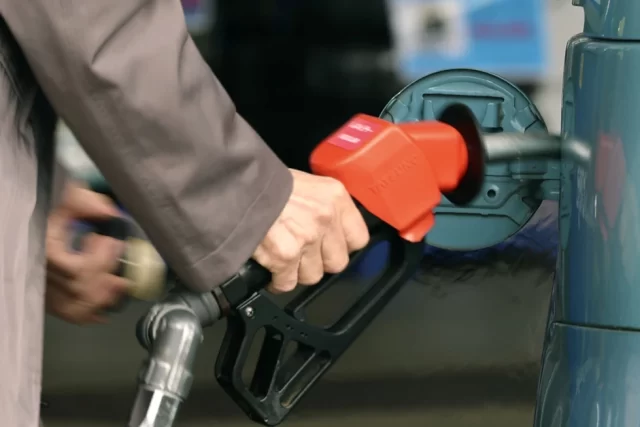
My AP Story Sept. 16, 2026 about Japan’s trade data.
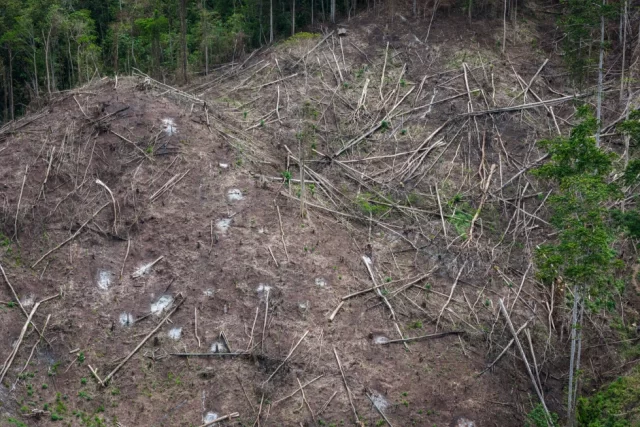
I’m a contributor to this AP Story Sept. 14, 2026 about deforestation in Indonesia.
My AP Story Sept. 4, 2026 about motor maker Nidec.
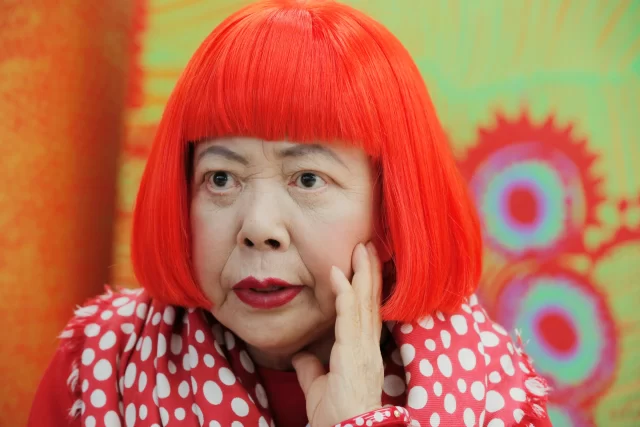
My AP Story Aug. 27, 2026, an Obit on Japanese artist Yayoi Kusama.

My 2012 Interview with Yayoi Kusama.
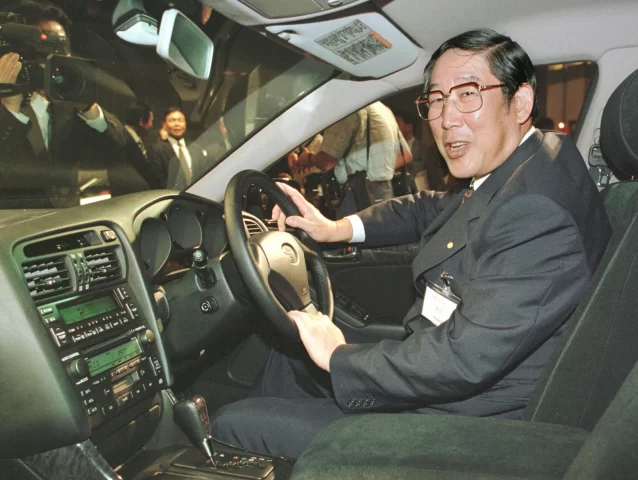
My AP Story Aug. 12, 2026, an Obit on Hiroshi Okuda, a former top executive at Toyota.
And because of this story, I get interviewed by Jeremy Siegel for his radio show The World, “Remembering an Auto Industry Giant.”
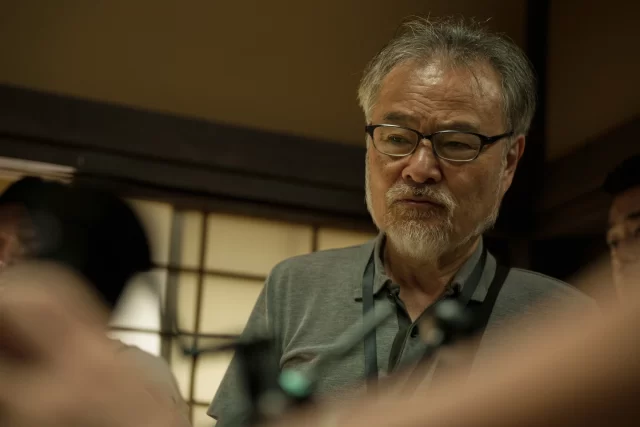
My AP Story July 29, 2026, in which I interview film director Kiyoshi Kurosawa and the video link to the interview.
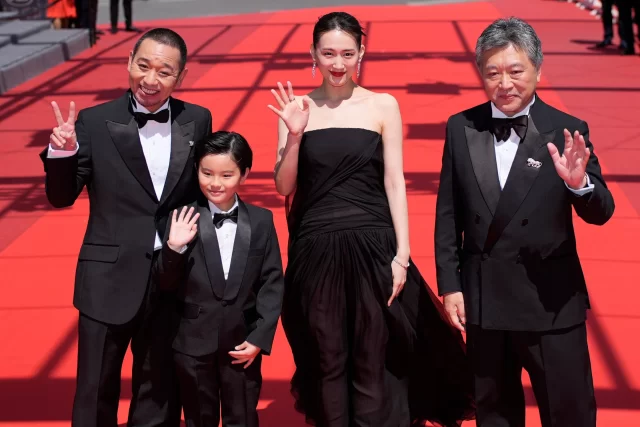
My AP Story July 25, 2026, in which I interview Hirokazu Kore-eda about his filmmaking.
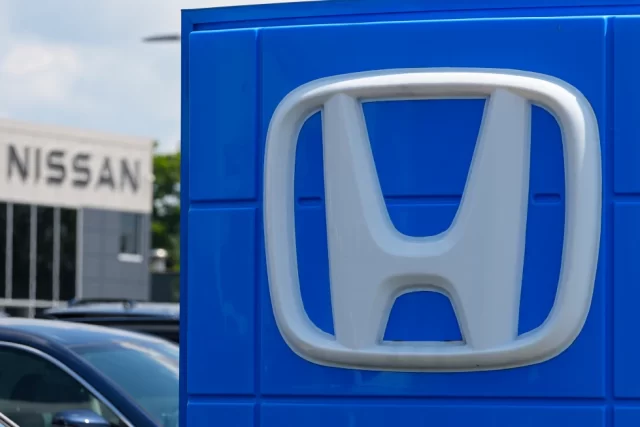
My AP Story Aug. 31, 2026 about Honda and Nissan entering a partnership in software development.
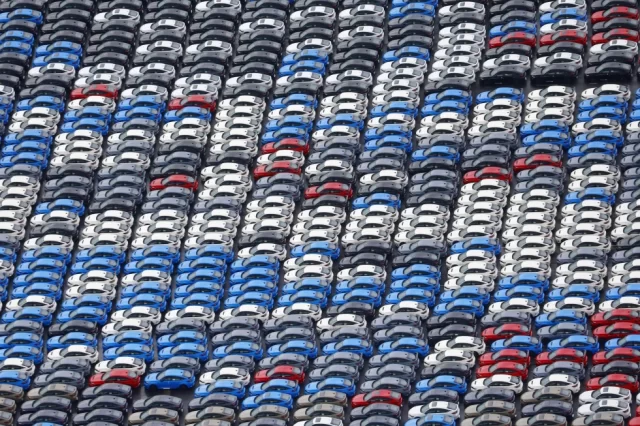
My AP Story Aug. 20, 2026 about Japan’s trade data.
My AP Story Aug. 17, 2026 on Japan’s GDP.
My AP Story Aug. 6, 2026 about Nintendo’s financial results.

My AP Story Aug. 6, 2026 about SoftBank Group Corp.’s financial results.
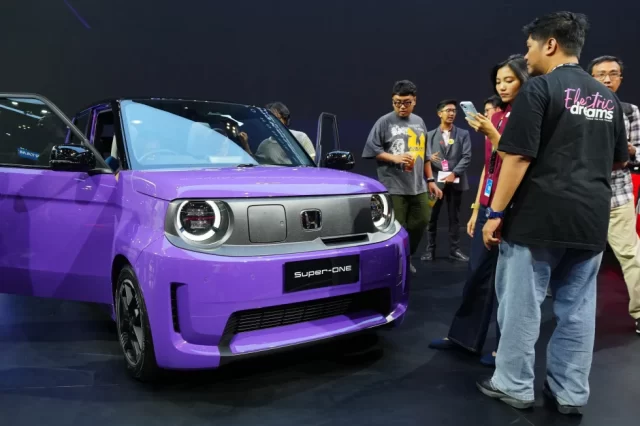
My AP Story Aug. 5, 2026 on Honda making a turnaround from its first ever annual loss.
My AP Story Aug. 4, 2026 about Toyota’s financial results.
My AP Story Aug. 3, 2026 about Nissan’s financial results.
My AP Story July 31, 2026 on Sony’s results, which have yet to factor in the recent Kyushu quake.
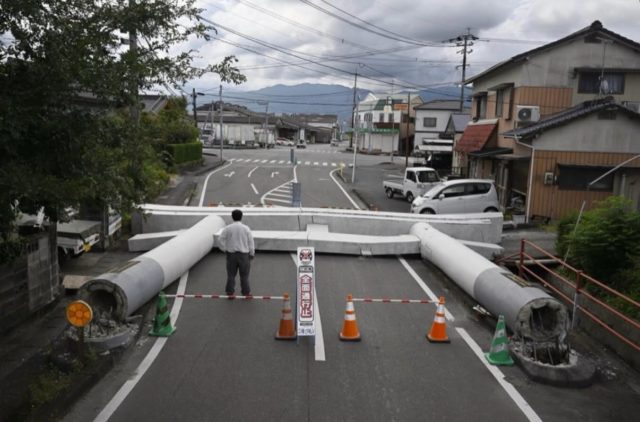
I was also busy this week in late July writing the AP Story on the Kumamoto earthquake while my colleagues were on site.
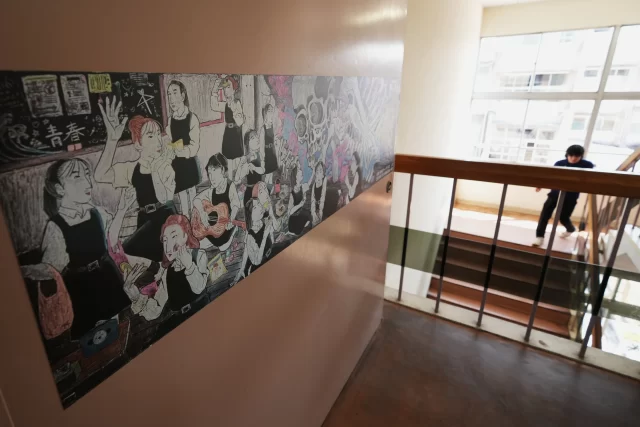
My AP Story July 25, 2026 about school blackboard artworks.
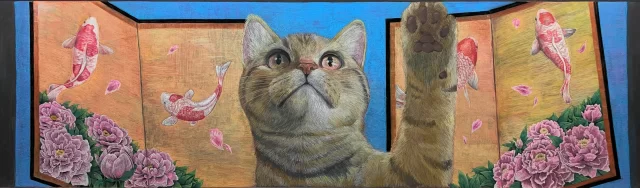
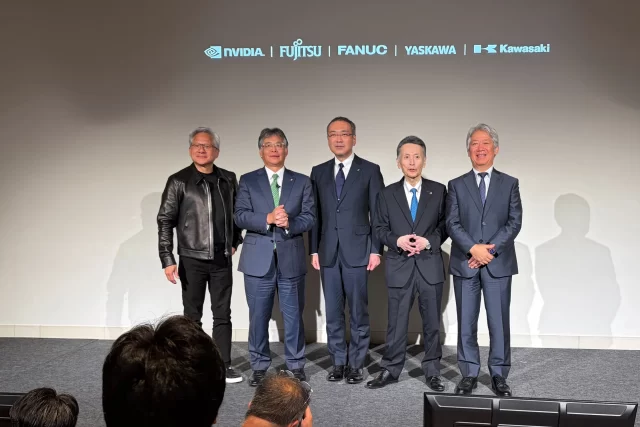
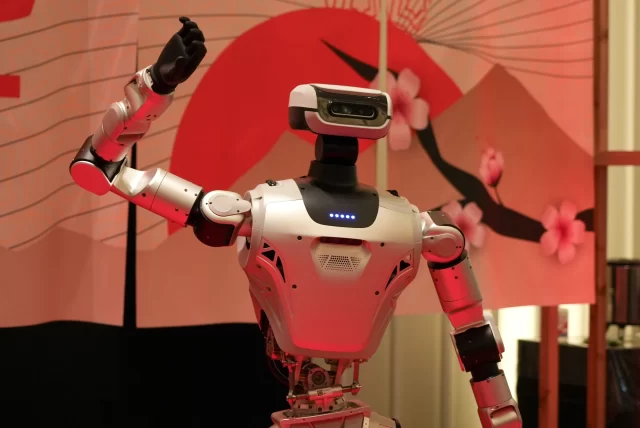
My AP Story and My AP Photo July 16, 2026 on Japanese robotics makers and Nvidia’s physical AI.
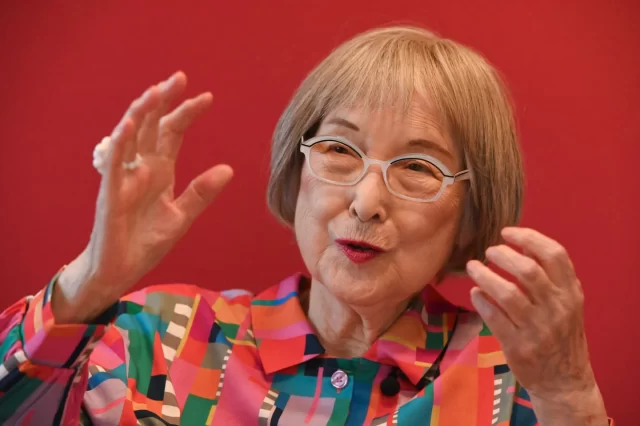
My AP Story July 1, 2026 in which I interview Eiko Kadono, the author of “Kiki’s Delivery Service.”
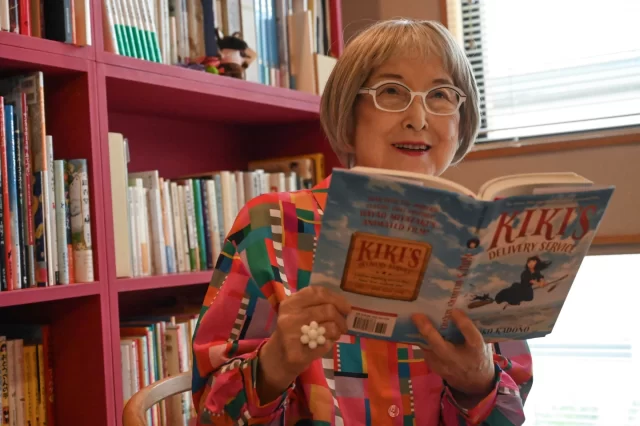

Korochan and Jiji. Reminders my AP Stories go all over the place with one being the toy a 9-year-old always has at her DJ gigs (story below) and the other that cat companion of Kiki the witch, a character created by a 91-year-old writer (story above).
My AP Story July 22, 2026 about Japan’s trade data.

My AP Story July 1, 2026 on the tankan survey.
My AP Story June 28, 2026 about an earthquake, the latest in a series amid typhoon season.
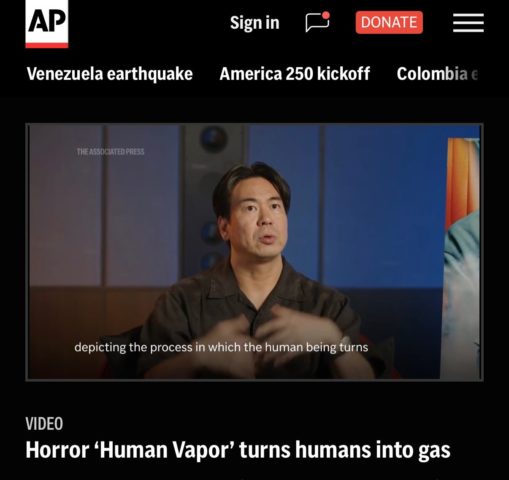
My AP Video June 24, 2026, my interview of “Human Vapor” remake director Shinzo Katayama.
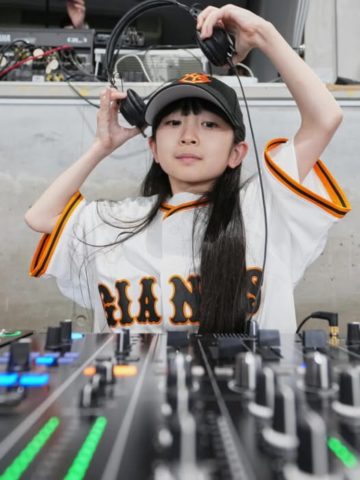
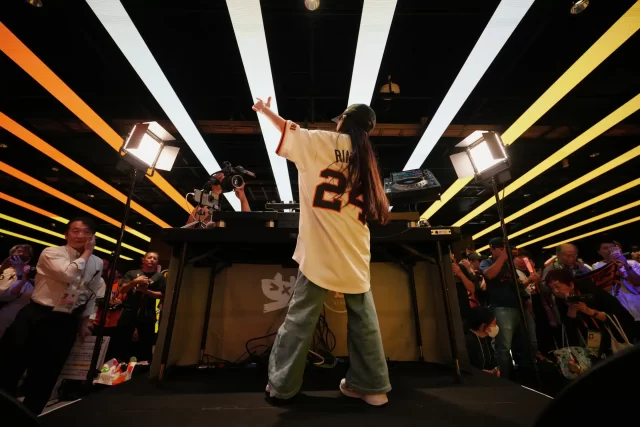
My AP Story June 15, 2026 about a child DJ and My AP Video.
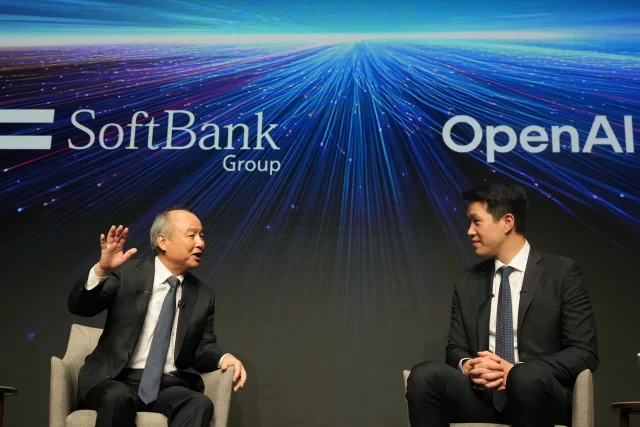
My AP Story June 16, 2026 about SoftBank using OpenAI technology to protect against cyberattacks.
My AP Story June 17, 2026 on the Japan Fair Trade Commission raid on ice cream makers.
My AP Story June 16, 2026 about the Bank of Japan raising its benchmark interest rate.

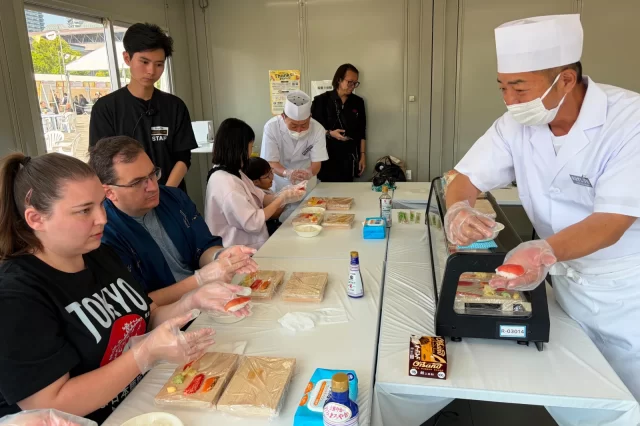
My AP Story June 3, 2026 and My AP Photos on how to make your own sushi.
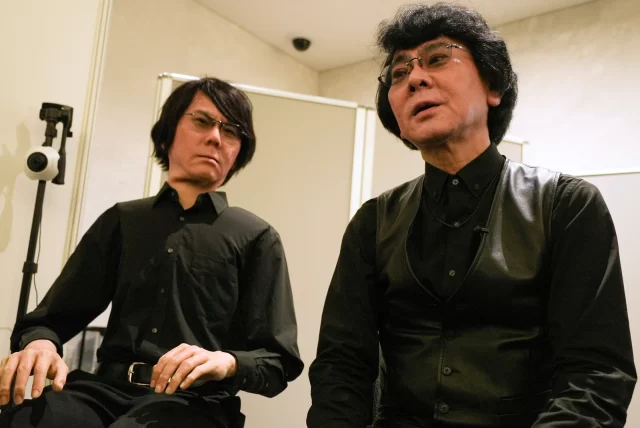
My AP Story May 28, 2026 on the Humanoids Summit Tokyo.
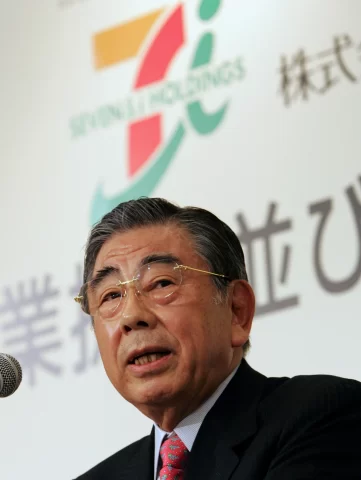
My AP Story May 25, 2026, an obituary on the Japanese behind the convenience store empire.
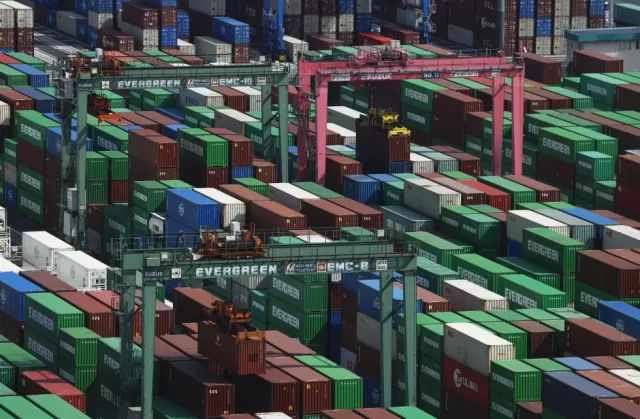
My AP Story June 17, 2026 on Japan’s trade data.
My AP Story May 21, 2026 on Japan’s trade data.

My AP Story May 13, 2026 about chips packaging going without color.
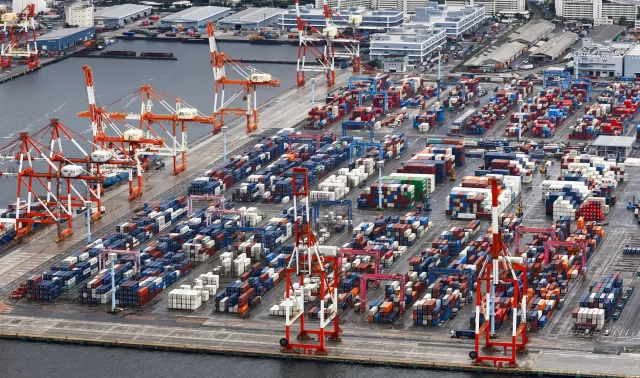
My AP Story May 19, 2026 about Japan’s GDP.
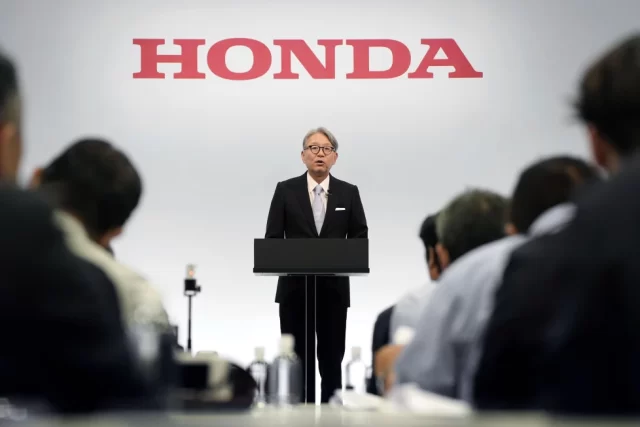
My AP Story May 14, 2026 about Honda posting its first ever full year fiscal loss.
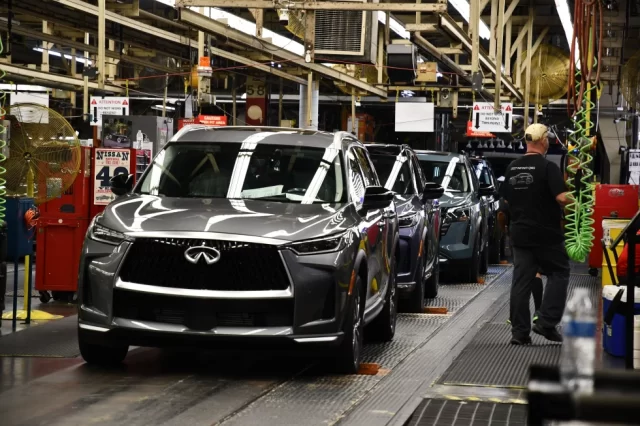
My AP Story May 13, 2026 about Nissan reducing red ink and promising a turnaround.
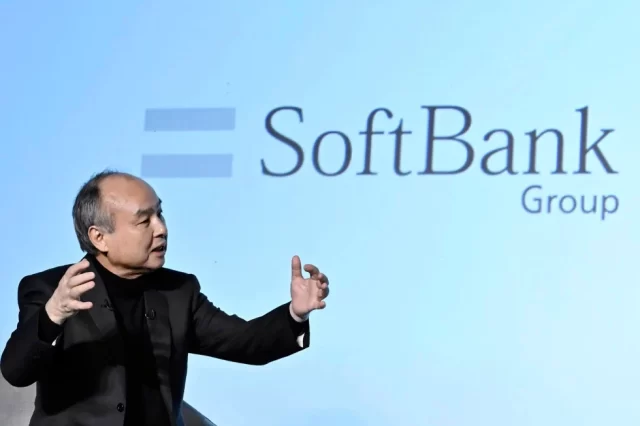
My AP Story May 13, 2026 about SoftBank seeing profit growth from AI investments.
My AP Story May 8, 2026 about Toyota’s earnings for the year.

My AP Story May 8, 2026 about Nintendo’s financial results.

My AP Story May 8, 2026 about Sony’s financial results.

My AP Story May 2, 2026 on the Inoue-Nakatani fight.
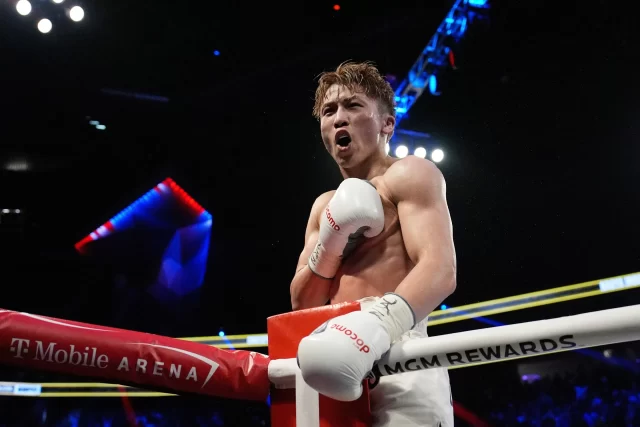
My AP Story April 25, 2026 on Japan’s love for boxing as anticipation grows for the Inoue-Nakatani bout.
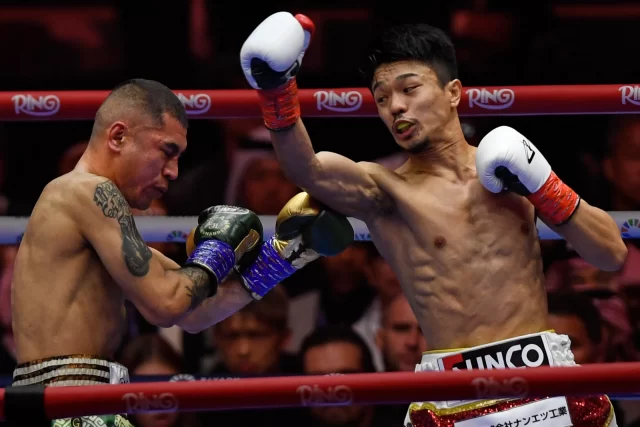
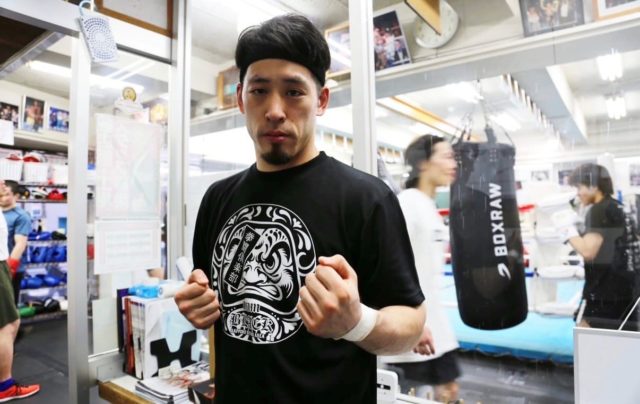
And the boxer I interviewed for the story at a Tokyo boxing gym. Really nice guy. And may you keep winning!
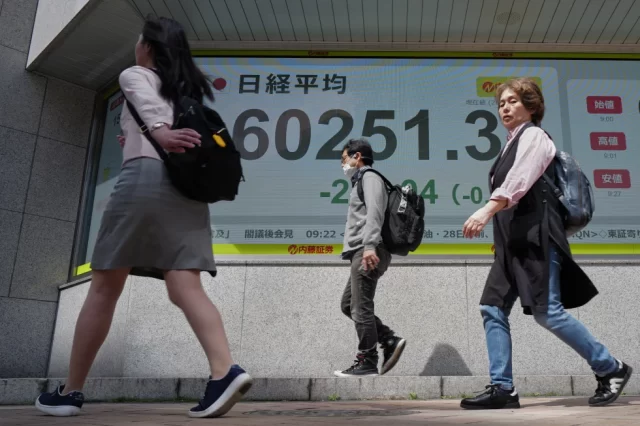
My AP Story April 28, 2026 about the Bank of Japan holding the key rate steady.
I’m a Contributor to this AP Story April 23, 2026 by Matt O’Brien on a robot.
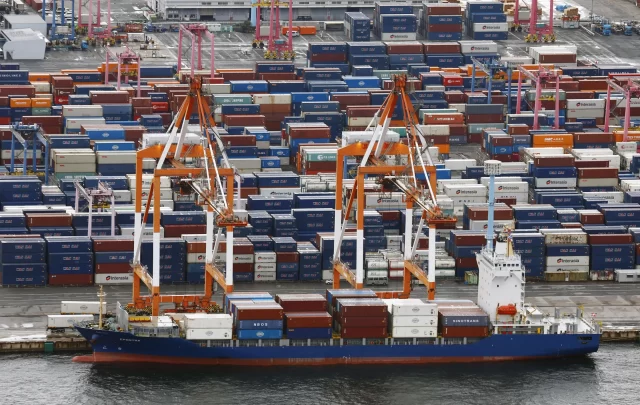
My AP Story April 22, 2026 about Japan’s trade data.
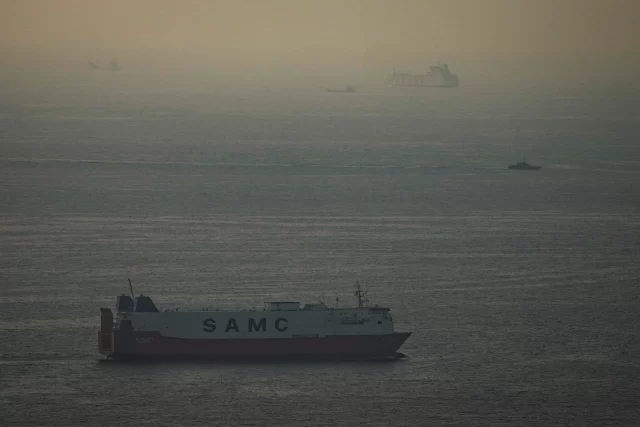
My AP Story April 12, 2026 about economic vulnerabilities to “oil shocks.”
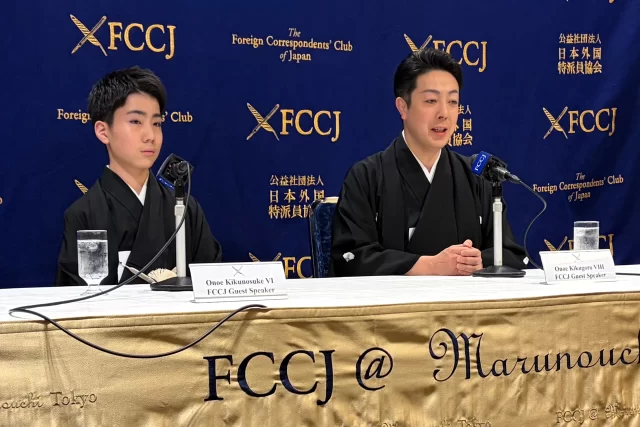
My AP Story April 10, 2026 about the art being passed down over generations in Kabuki theater.

Always an honor, even if you just did your very small part, to be part of the Best of AP Honorable Mention awarded in February 2026, for this AP Story about an explosion at U.S. Steel.
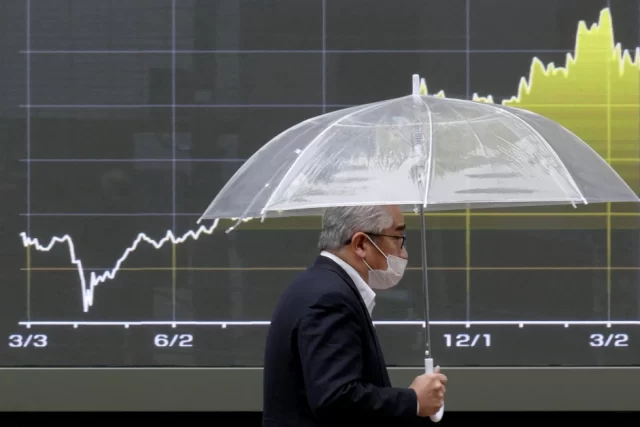
My AP Story April 1, 2026 on the Bank of Japan’s “tankan.”
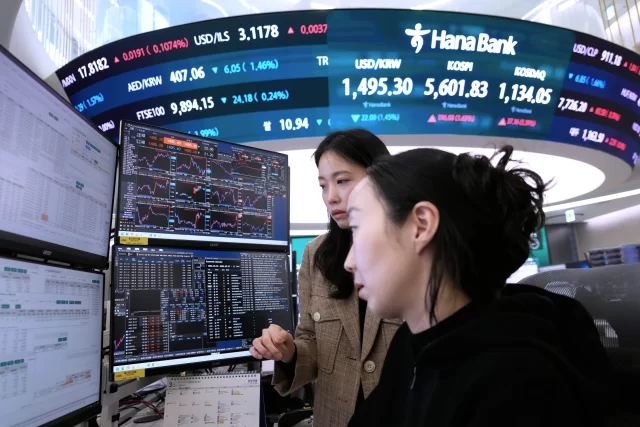
Throughout the year, I filed a lot of Markets stories, so many there are no links here, but sharing the dramatic photos from my AP colleagues.
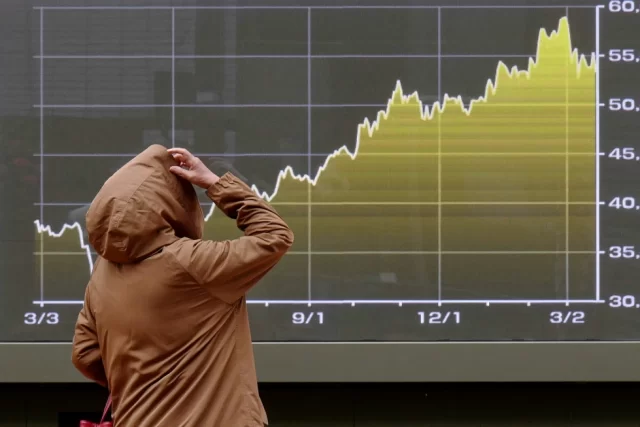
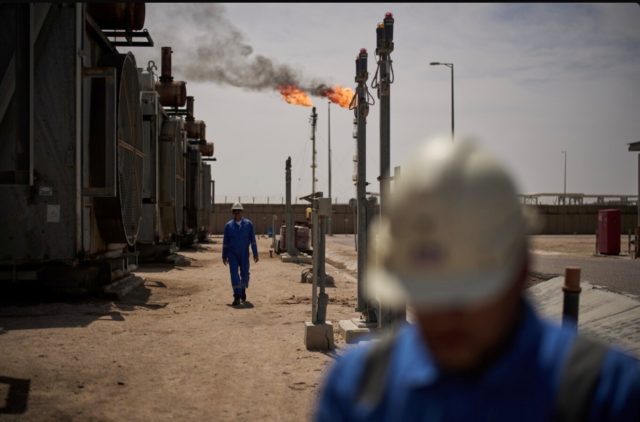
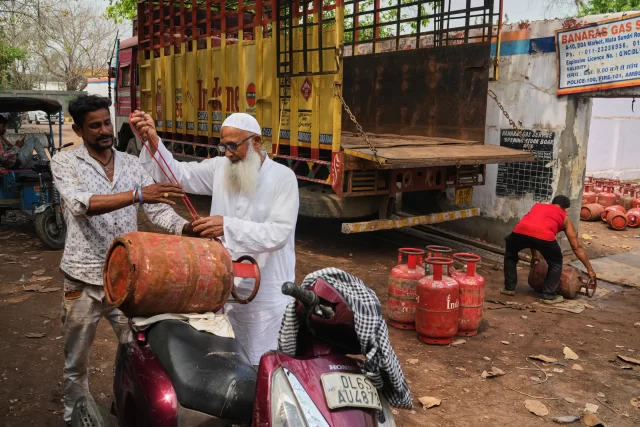
I’m a Contributor to this AP Story March 19, 2026 on how Asian nations are responding to the energy crunch.
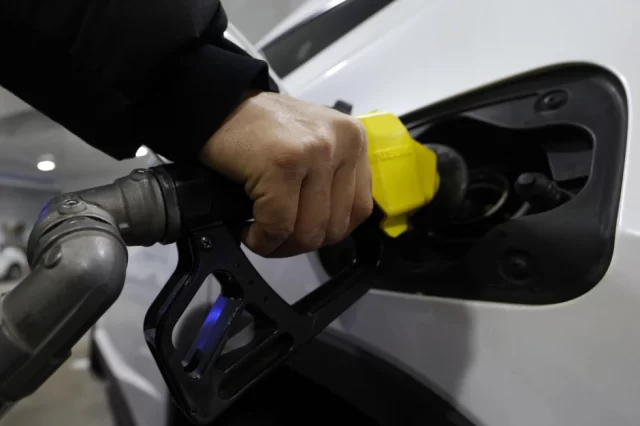
My AP Story March 18, 2026 about Japan’s trade data.

I’m a Contributor to this AP Story March 14, 2026 about North Korea firing a missile.

I’m a Contributor to this AP Story Feb. 24, 2026 about China’s export restrictions.
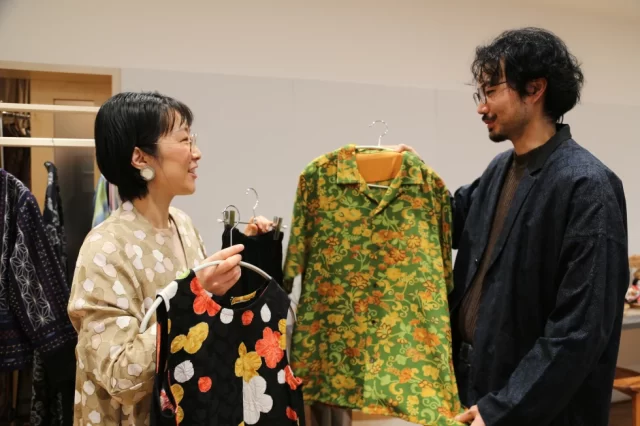
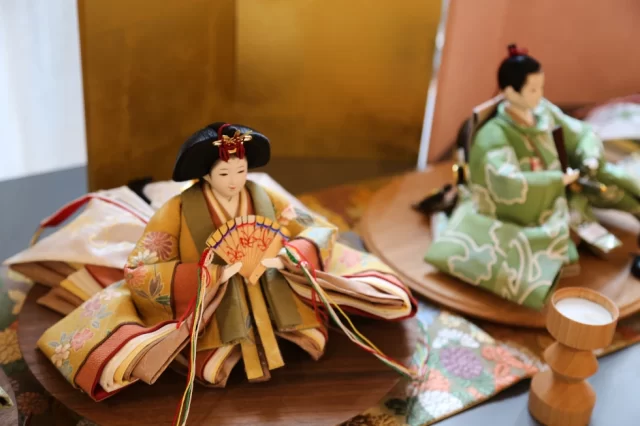
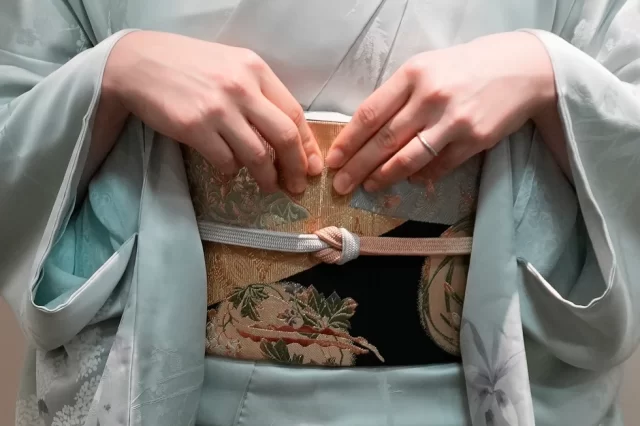
My AP Story and My AP Photos Feb. 20, 2026 about the kimono and sustainability.
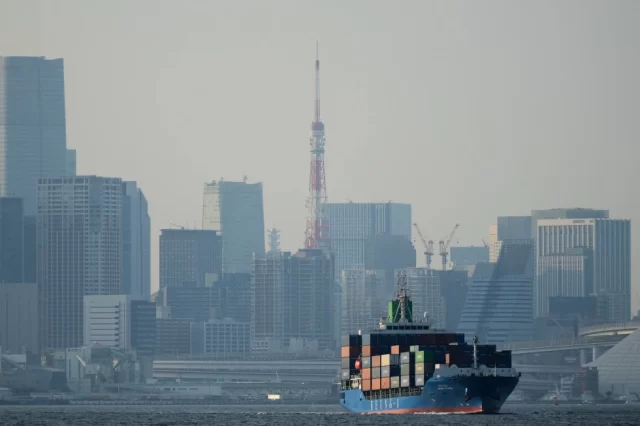
My AP Story Feb. 18, 2026 on Japan’s trade data.
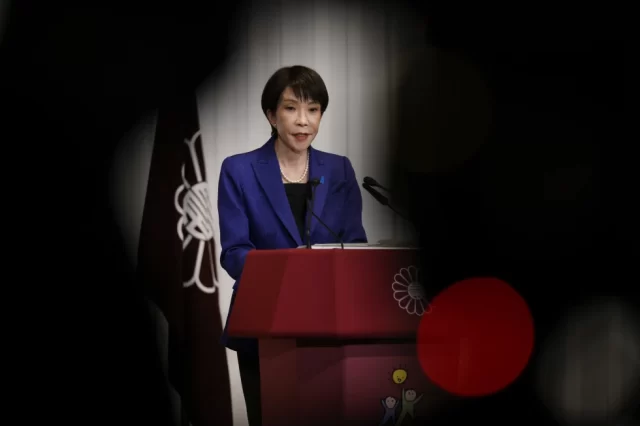
My AP Story Feb. 16, 2026 about Japan’s economic growth.
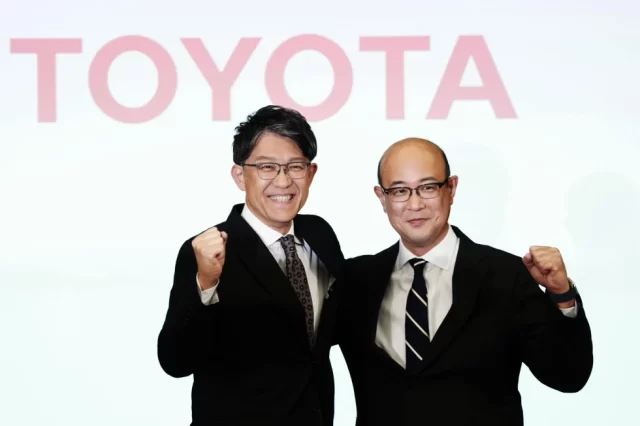
My AP Story Feb. 6, 2026 on Toyota naming a new chief as profits decline.

My AP Story Feb. 12, 2026 about SoftBank Group thriving on the OpenAI boom.
My AP Story Feb. 12, 2026 about troubled Nissan promising it’s on the right track.

My AP Story Feb. 10, 2026 about Honda’s profits being hurt by Trump’s tariffs and EV policies.
My AP Story Feb. 5, 2026 on Sony’s earnings.
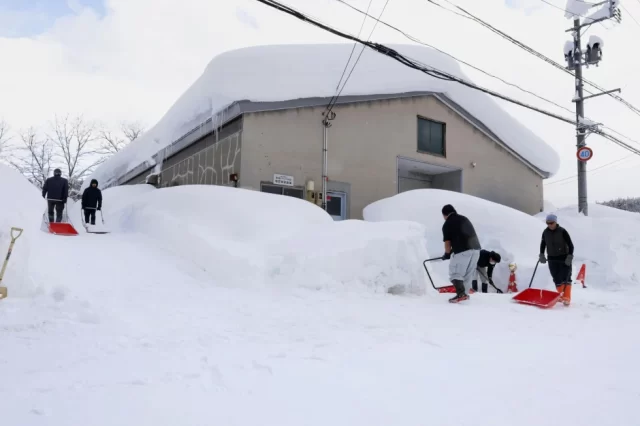
My AP Story Feb. 4, 2026 about heavy snow in Japan.
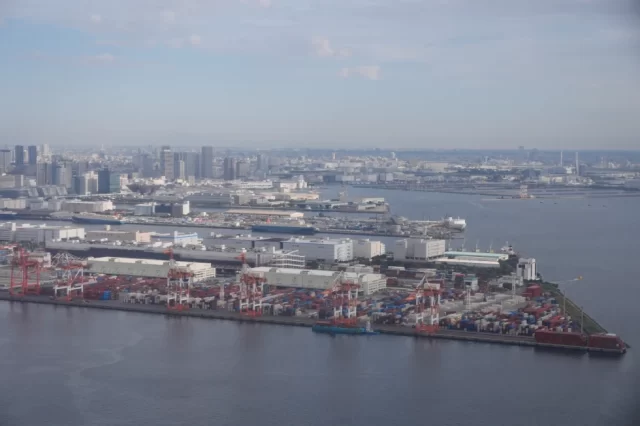
My AP Story Jan. 22, 2026 about Japan’s trade data.
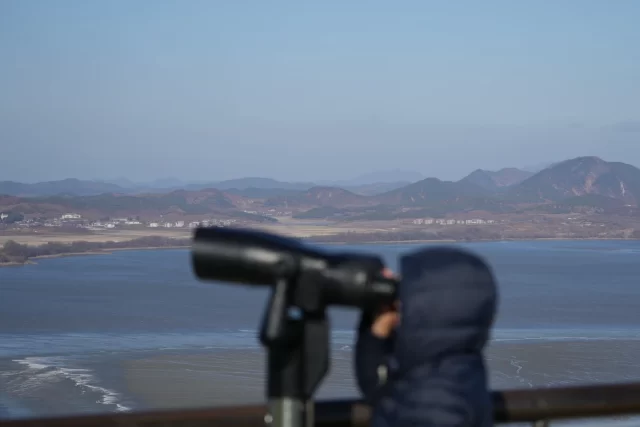
I’m a Contributor to this AP Story Jan. 4, 2026 about North Korea firing missiles.
My AP Story Jan. 2, 2026 about the emperor and his family greeting well-wishers at the palace for New Year’s.
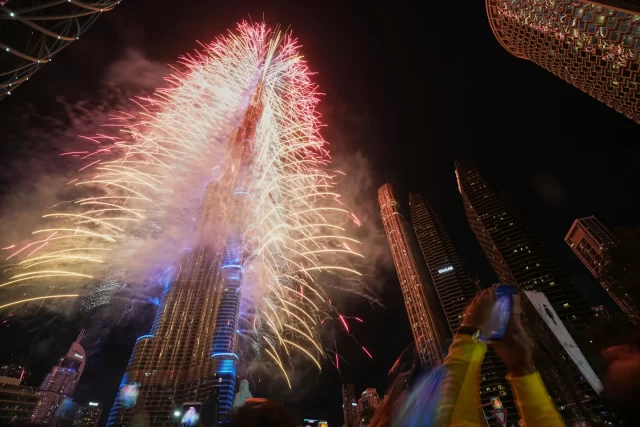
I usually start the New Year by covering a countdown event for our roundup story. I send a bunch of material but, by the end of the global day, it becomes one line, if even that. It’s a great way to start out the new year as a reporter, a humbling but comforting reminder that we just do our jobs. I am a Contributor to this AP Story Jan. 1, 2026.
I am Interviewed on the Radio about Toyota’s Hiroshi Okuda

I am interviewed on a radio show called The World about Toyota’s Hiroshi Okuda by Jeremy Siegel on the theme of “Remembering an Auto Industry Giant.” My AP Story Aug. 12, 2026, Okuda’s obituary.
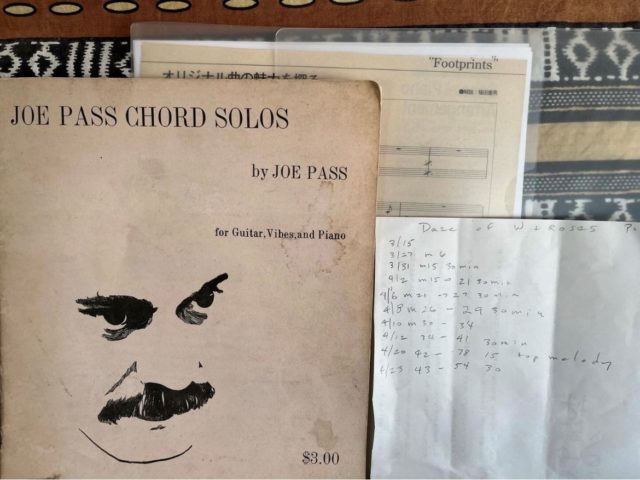
Your Music a poem by Yuri Kageyama
He loved me
More than he loved
His Music
And his Music is
Huge
Because
When you play
That kind of Music
The Music
Is about Everybody
Each Player
Even the listener
But especially the Music
Not just then and there
But all the Music
That went Before
You knew that
So you just smiled
When I said
It wasn’t your Music
And I didn’t even think or know
How much you loved me
Because our love was bigger
Than all that
Music
a link to a sweet musical version on SoundCloud
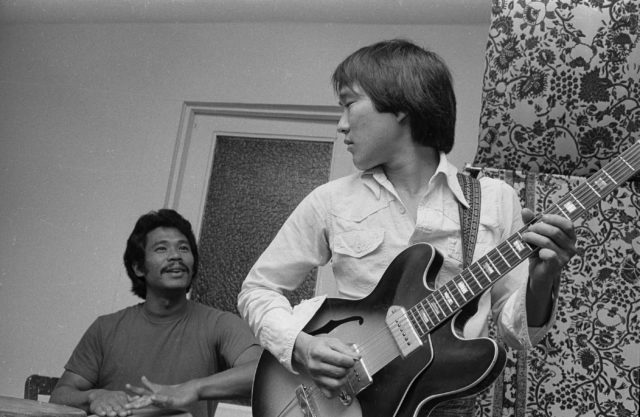
Gordy with Duke in San Francisco 1979. Photo by Bob Hsiang.
I now know it’s all the same thing, love and music. Or the poem, flower arrangement or any other pursuit. It’s about connecting with all that went before you, in all their trials and tribulations, everything. And love is a part of that, your connecting with that person you love. Maybe your friend, your mother, your partner for life. It might get complicated if you are trying to connect with the past, while at the same time trying to connect with that individual, who in turn may also be connecting with the musical or theatrical greats who went before him or her. But, hey, it’s all the same thing. It is how you live and how you choose to connect. And it is definitely a lifelong effort. Worth every second. Filling you with joy and meaning about having known those special connections, and that special person. So do not mourn. Just rejoice. Keep playing, writing, creating and loving.