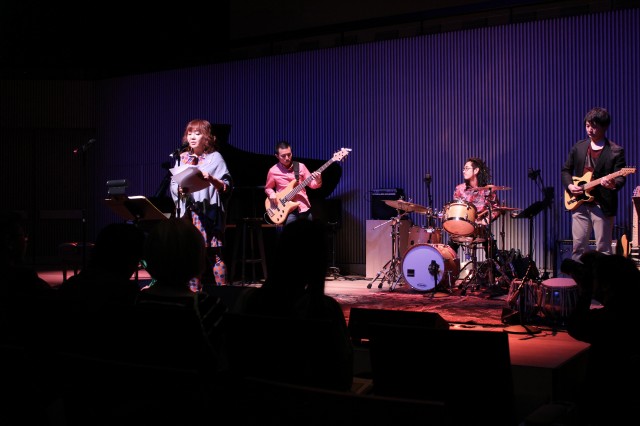
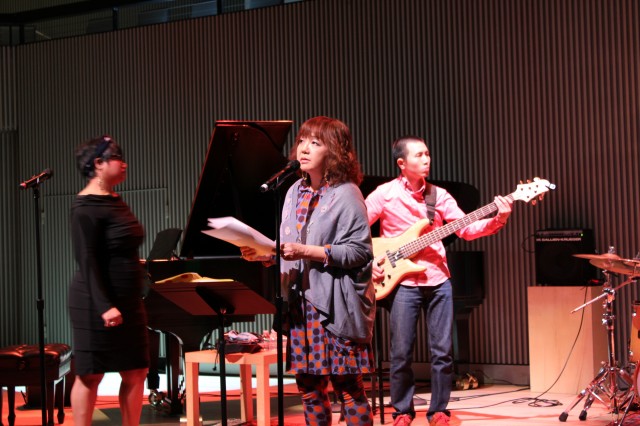
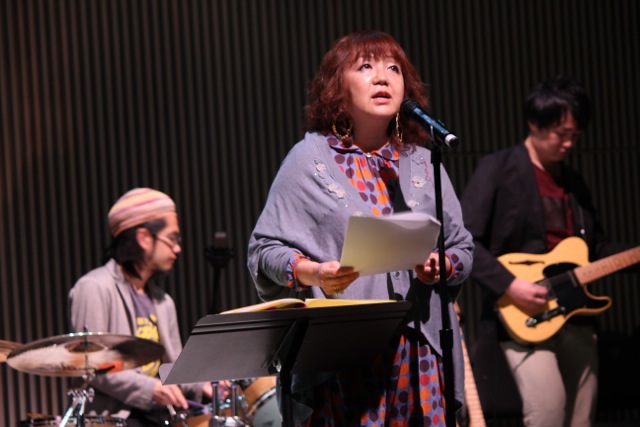
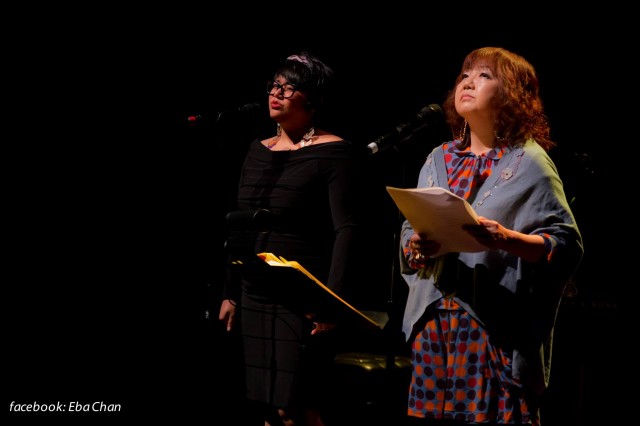
En-EN-EN-EN-EN
A Poem by Yuri Kageyama
POETRY
DOES NOT
CANNOT
EN-TERTAIN
POETRY
DOES CAN
EN-GAGE
EN-RAGE
EN-LIGHTEN
EN-EN-EN-EN-EN A Poem by Yuri Kageyama
Every Father is Violent Every Mother Overbearing Knowing That Same Pain Not Extraordinary Violent Fathers Overbearing Mothers Is Growing Up _ a poem by Yuri Kageyama
Every Father is Violent Every Mother Overbearing Knowing That Same Pain Not Extraordinary Violent Fathers Overbearing Mothers Is Growing Up
A poem by Yuri Kageyama
Every Father is Violent
Every Mother is Overbearing
We went through the Same Pain
We hand down that
Same Pain
As Violent Fathers
As Overbearing Mothers
The Pain is Real
Not Extraordinary
Getting Used to
That Idea
Getting Used to
That Same Pain
That’s Growing Up.
My Poem “ode to the stroller” now part of the Public Poetry Series
My Poem “ode to the stroller” now part of the Public Poetry Series.
Poetry by Yuri Kageyama.
Read by Hirokazu “Jackson” Suyama.
Film by Adam Lewis.
we zip weightless like silent angels
up and down San Francisco hills
running on the mother of all energy
greener than solar
rolling rolling rolling
with laughter
cream acid rock ‘n’ rolling
lightning dazzling wheels
gara-gara-gara-gara
teethers jangling dangling dancing
going mad on strangle-free rubbery ribbons
up and down the Avenues
J-town, Clement Street
Golden Gate Park
Museum of Modern Art
we are singing:
“Ouma no oyako wa nakayoshi koyoshi
itsudemo issho ni pokkuri pokkuri aruku”
perfume wind in our hair
springing over potholes
not even stopping just for breast feeds
connected as one through this magical machine
me pushing
you riding
the Lamborghini of strollers
the Gundam of strollers
the little train that could of strollers
up up up into the joyous clouds
zooming wheeeeee
down slurping slopes
around swervacious curves
we are one
yes, we are one
tied in the past with our
umbilical cord
and
even in death
in our dreams
a poem for Kenji Goto, a journalist, Feb. 1, 2015, by Yuri Kageyama
a poem for Kenji Goto, a journalist, Feb. 1, 2015
by Yuri Kageyama
i have already written about you
another journalist
your story as a hostage
somewhere far away
in a wind-blowing desert
your story about
how it all ended
today
i do not know you
but i have to write something
else for you
this poem
it just doesn’t seem right
unless i do
people say you cared
you were great to work with
you will live on in our hearts
you laugh in your own videos
“No matter what happens to me,”
you say before you leave,
“I will always love the people of Syria.”
you are calm
you look straight into the camera
you are gentle in your death
you are brave in your death
i just have to write this
in even that video
you are beautiful
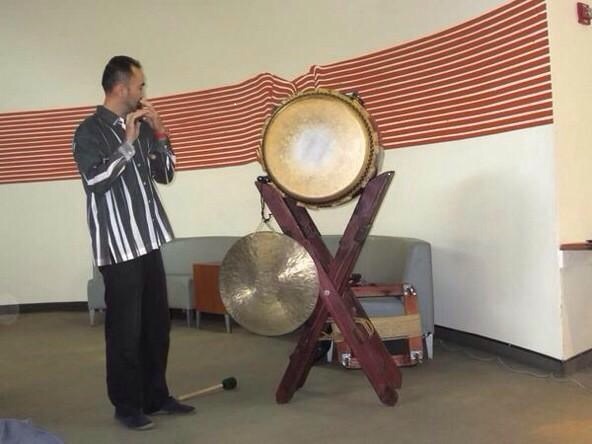
HIROSHIMA a poem by Yuri Kageyama read with Kaoru Watanabe
HIROSHIMA
A poem by Yuri Kageyama
A reading by Yuri Kageyama
With Kaoru Watanabe of Kodo on fue flute, taiko drum and other percussion.
Recorded at Kaoru Watanabe Taiko Studio in Brooklyn New York
For a memorial for poet, publisher and educator Virgina Scott at Lehman College, the Bronx, New York
September 20, 2014.
they wander like a whisper
still
over this city
blending with the sea breeze
the soft light
the cracks of scars
not just one ghost or two
but tens of thousands
who all looked up and saw a flash
turning people into dead globs of charcoal;
there are no photos from that day,
they wander, crawling, naked, moaning,
flesh hanging like tatters;
they’re asking that question,
we did nothing wrong
why oh why
when all it can do is
kill kill kill kill
nothing else
turning skin eyeballs laughter head back legs
into a keloid of hell,
but no one really answers.
An excerpt from Story of Miu (a performance piece in the works) by Yuri Kageyama
An excerpt from Story of Miu (a performance piece in the works)
By Yuri Kageyama
You are curled up tight, in fetal position, eyes still closed but seeing red blindness, throbbing flesh, still alive, deep inside our stomachs so entrenched within us but also disjointed and expanding like our pain and like all the solar systems in the universe.
I was already there in that moment. We shared in that secret of knowing you will someday be born, before anyone else knew, and then grow up and become man _ or woman _ with a yelping gasping flash-of-light wail, the newborn’s cry in that first breath, and recognizing from the very start that you will someday have this same joy and same pain, growing inside you and being born.
It doesn’t matter that you will make towers. You will make music. You will make computer programs. You will make money. You will make babies.
It doesn’t matter that you will be a pillar of society. You will be an outcast. You will win rewards. You will be abused as a stranger.
It doesn’t matter that you will witness a great northern earthquake, although it is a once-in-a-century disaster setting off a torrent of outraged water that turns farmland into mud, buildings and homes into rubble, and quiet untouched happy towns into ghost towns covered with radiation.
I was there, with you, before it all _ in that redness and blackness and all seeing blindness that was here and everywhere, bleeding and beating and breathing and being, inside my uterus, that spot near my navel that connects with your navel, before and even after your newborn cry.
This is the same cosmos inside the bodies of all mothers, where we fall in our slumber, snuggling against our blankets, the safe and eternal place we visit that are called dreams after we awaken.
This is the same cosmos in the resonance of the giant taiko drum, shaking and deafening, but we hear and understand every note like our mother’s heartbeat.
The otherworldly world that awaits behind the mirror in a Tadanori Yokoo painting, the crooked road not taken behind the church in a Vincent Van Gogh painting _ a world from this end we fear might be the Michelangelo hell of a nuclear meltdown with faces and arms peeled, stunted and melted by an erring god scientists will never admit was provoked by anything other than a mother’s mistake, or else it could smell like lotuses and incense and candles, sinking into a Claude Monet lake of sheer light and blindness that is canvas and museum walls no more but total artist’s vision.
This is the same cosmos where ghosts with long black hair reside, sometimes standing besides riverside willow trees weeping about their lovers’ betrayal, and at other times mysteriously saving children from car crashes as benevolent all-knowing ancestors.
After all these years, I finally know this is where I return when I die.
To be with you again, all the time, in that moment of eternity that is before birth, so perfectly connected we don’t need to speak or breathe or remember.
“Story of Miu,” a film written and directed by Yuri Kageyama. Dance and choreography by Yuki Kawahisa starring as Miu.
“Story of Miu,” written, directed and edited by Yuri Kageyama.
Yuki Kawahisa as Miu.
Dance and Choreography by Yuki Kawahisa.
Man and chief camera work by Rodrigo Albuquerque.
Woman in park Desiree Cantuaria.
Camera and other production work Raquel Prado, Rodrigo Albuquerque, Desiree Cantuaria and Yuri Kageyama.
Music “Nikata Bushi” by Isaku Kageyama on taiko drums and his Hybrid Soul, Chris Young guitar and Pat Glynn bass, with Yoshinori Kikuchi on shakuhachi.
Credit roll music “My Africa” composed and sung by Ayumi Ueda with Isaku Kageyama on percussion, Yoshinori Kikuchi shakuhachi, Yumi Sugimoto piano, Keisuke Higashino bass and Seiemon Sawada shamisen.
A TOKYO FLOWER CHILDREN PRODUCTION.
New York Film Academy.
October 2014.