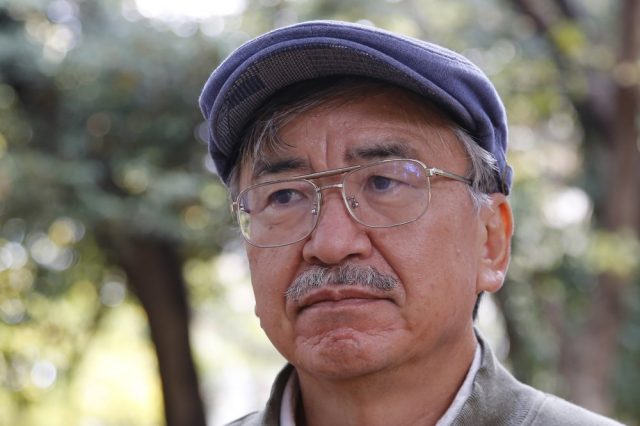
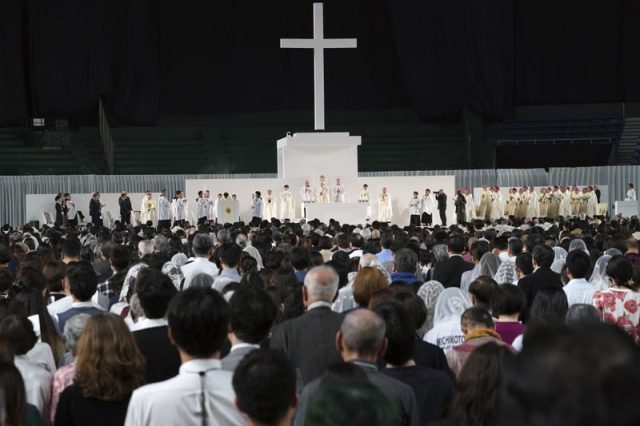
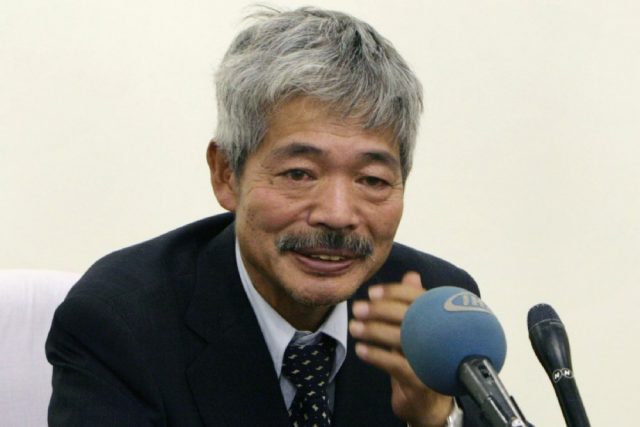
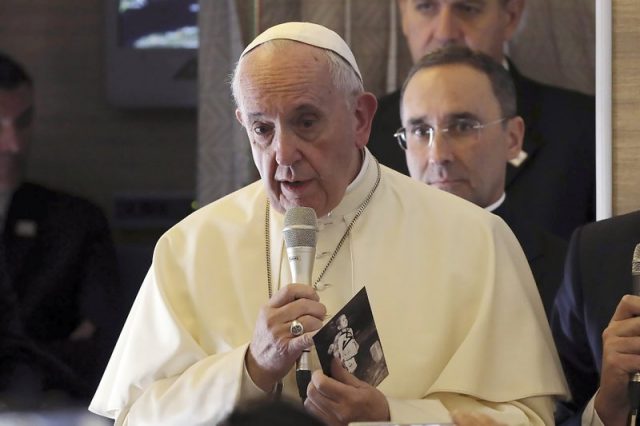
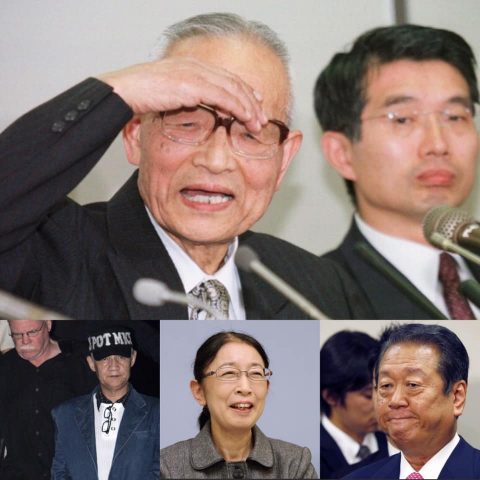
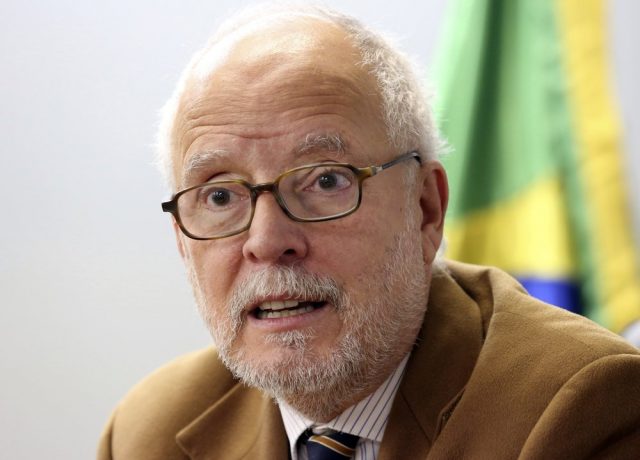
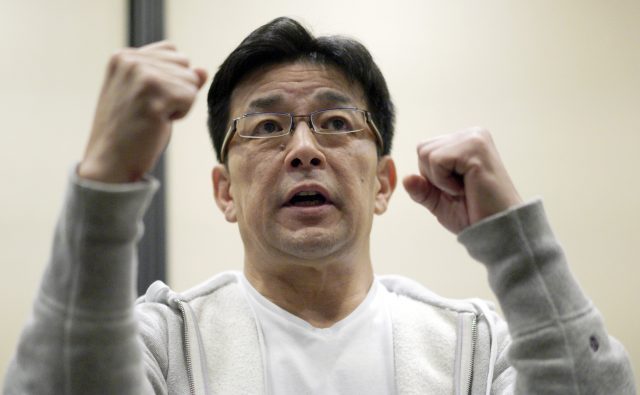
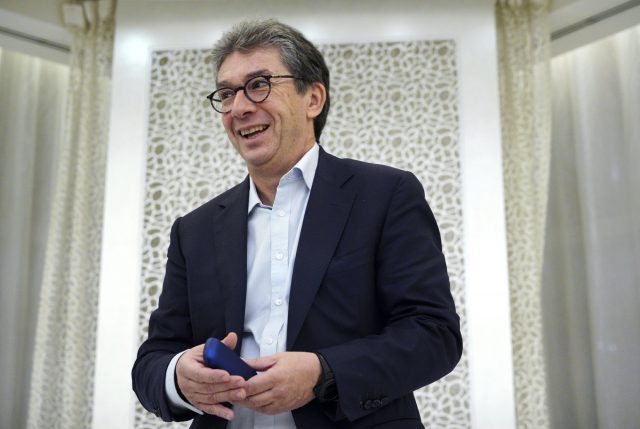
My AP Story Nov. 25, 2019 on Iwao Hakamada, a former boxer who spent 48 years in prison for murders he says he didn’t commit, taking part in Pope Francis’ Mass at the Tokyo Dome.
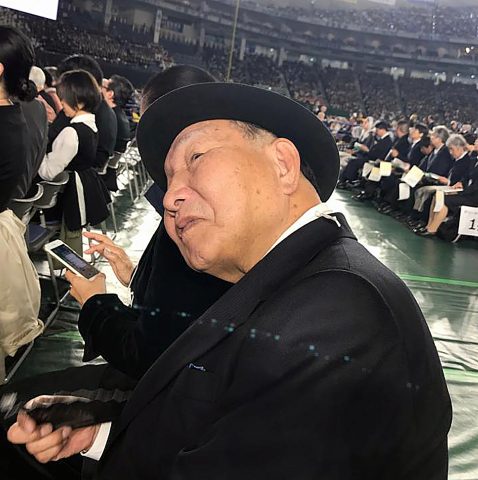
In this photo provided by Mario Marazziti, Iwao Hakamada sits in his seat at Tokyo Dome in Tokyo as he waits for Pope Frances’ Holy Mass on Monday, Nov. 25, 2019. Hakamada, a former Japanese professional boxer who spent 48 years in prison for murders he says he did not commit was among some 50,000 people greeting Pope Francis as he entered Tokyo Dome stadium to celebrate Mass on Monday. (Mario Marazziti/Giovanna Ayako via AP)
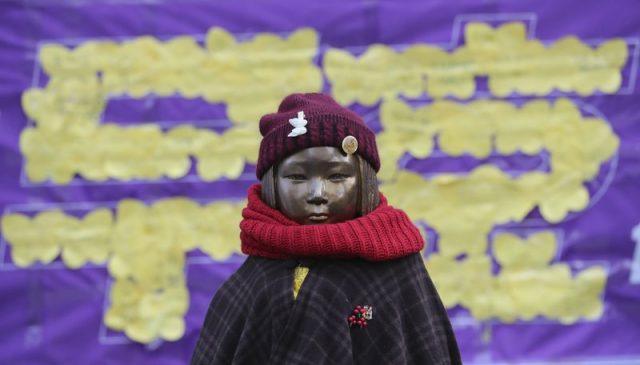
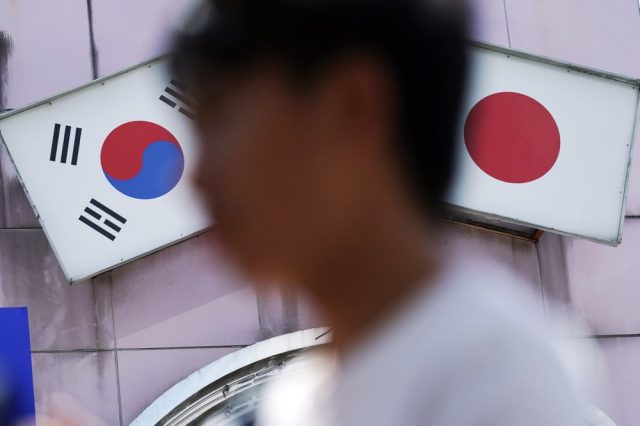
My AP Story Aug. 19, 2019 on the history behind the worsening ties between South Korea and Japan, a collaboration with my Seoul colleague Kim Tong Hyung.
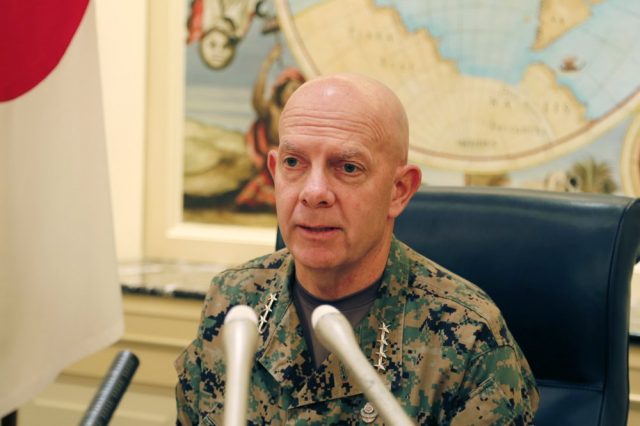
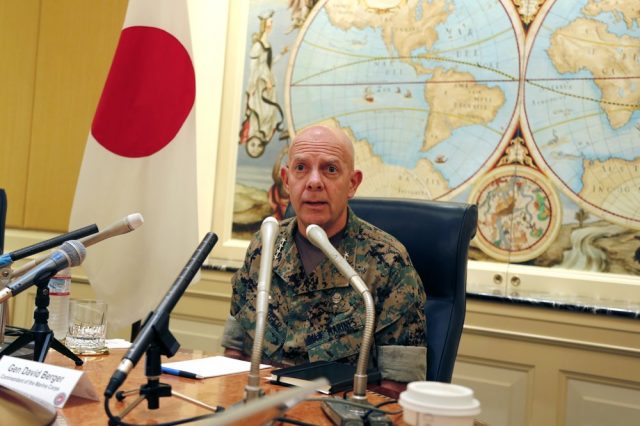
My AP Story Aug. 21, 2019 on the US Marines chief being worried about deteriorating Japan-Korea ties with My AP Photos.
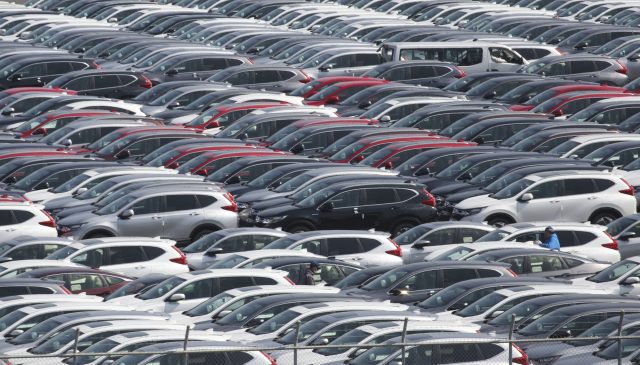
My AP Story May 25, 2019 on how trade is a big issue during President Donald Trump’s state visit, but the deficit problem is worse with neighboring China.
My AP Story July 1, 2019, co-bylined with my colleague in Seoul Hyung-jin Kim, on Japan’s restrictions on exports to South Korea.
My AP Story May 21, 2019 on how Trump’s checking out sumo during his state visit is proving a head-ache.
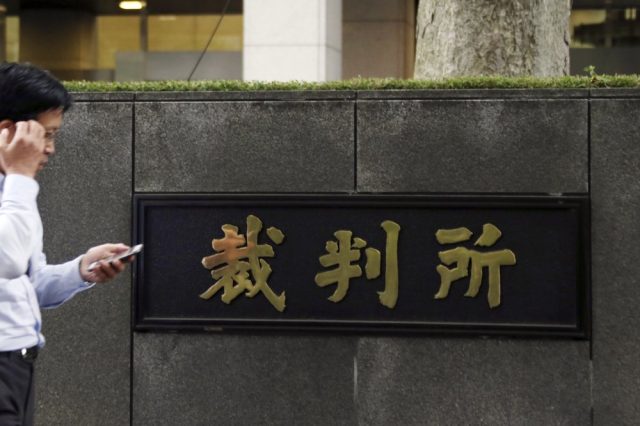
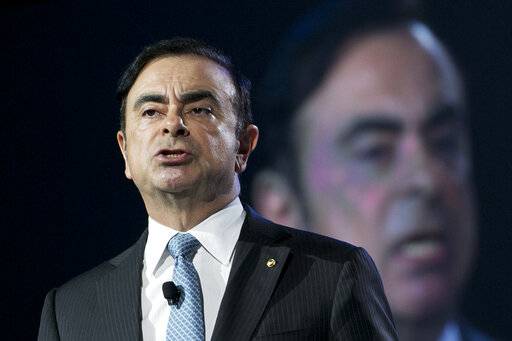
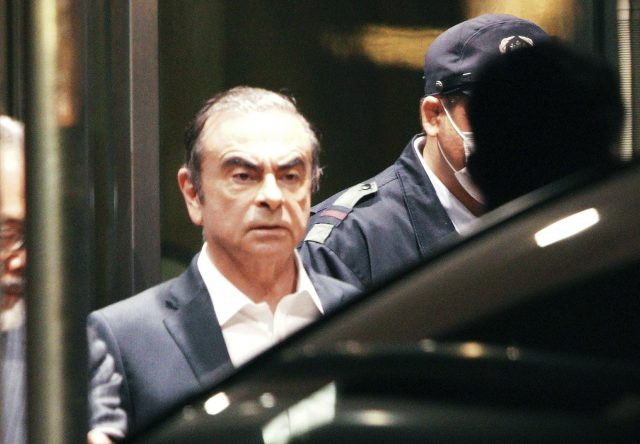
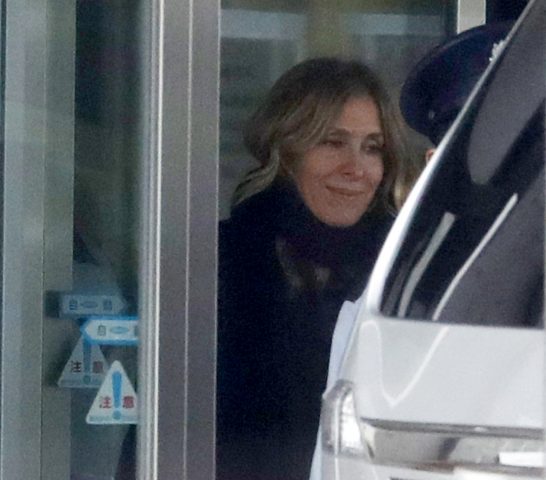
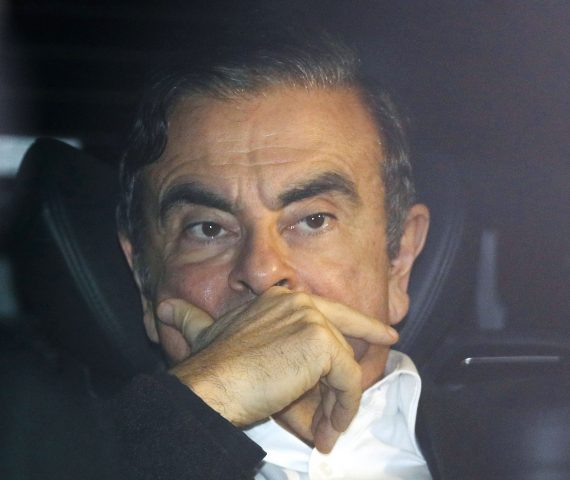
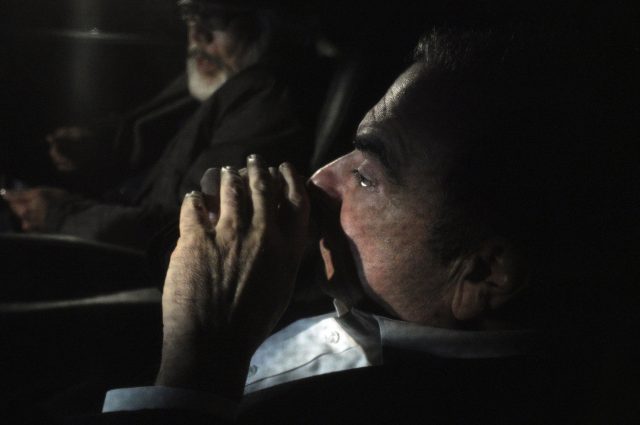
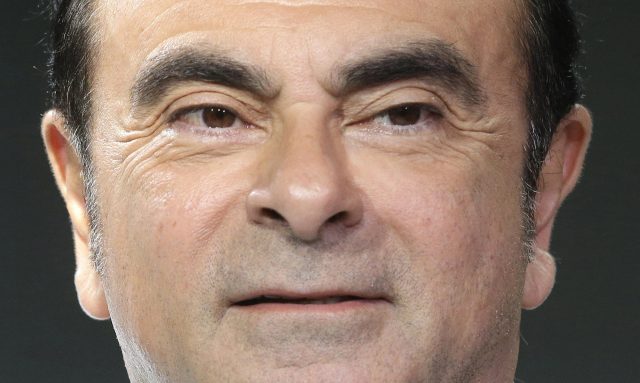
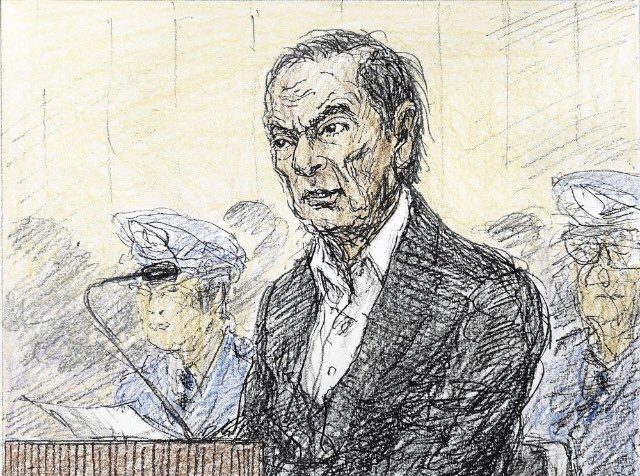
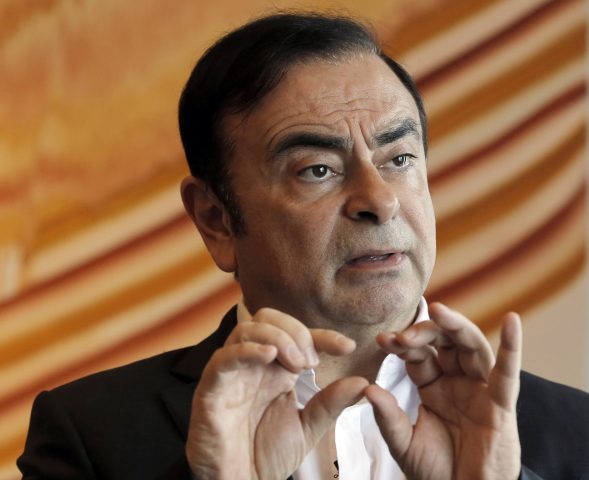
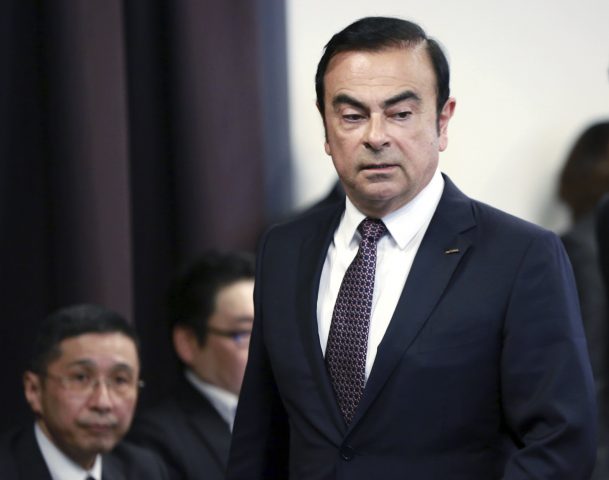
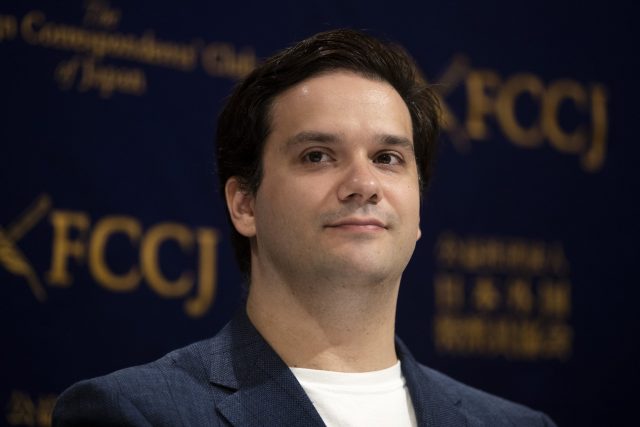
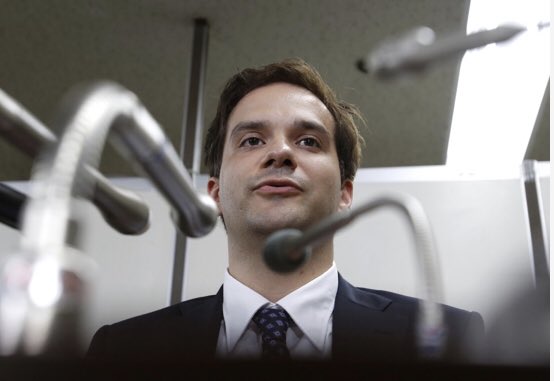
My AP Story Nov. 22, 2019 on a court allowing Carlos Ghosn to talk with his wife Carole, whom he has not been able to talk or meet with for eight months.
My AP Story Oct. 24, 2019 on how Carlos Ghosn’s defense team is asking charges be dismissed, alleging widespread prosecutorial misconduct will endanger his getting a fair trial.
My AP Story Aug. 6, 2019 on how Mrs. Carole Ghosn is protesting the restrictions on communicating with her husband.
My AP Story April 17, 2019, in which I interview Mrs. Carole Ghosn. She says her husband is ready for a fight but she fears he may not get a fair trial.
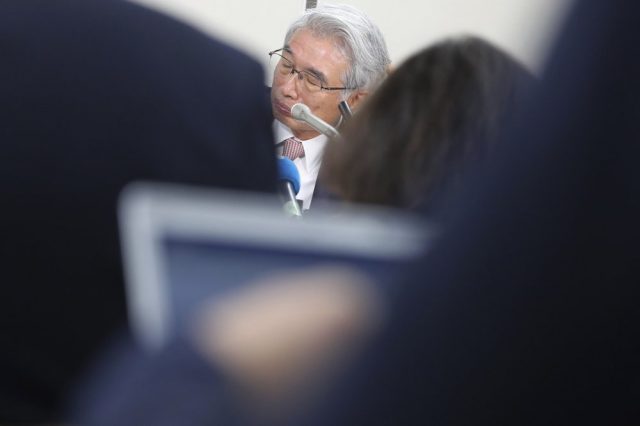
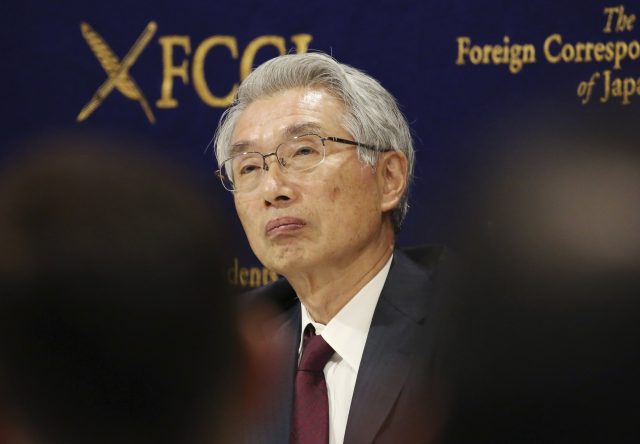
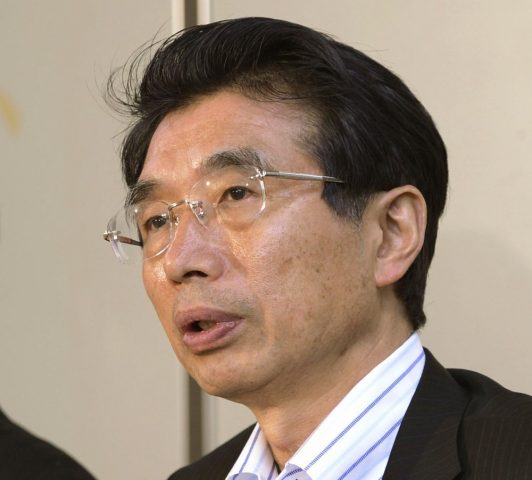
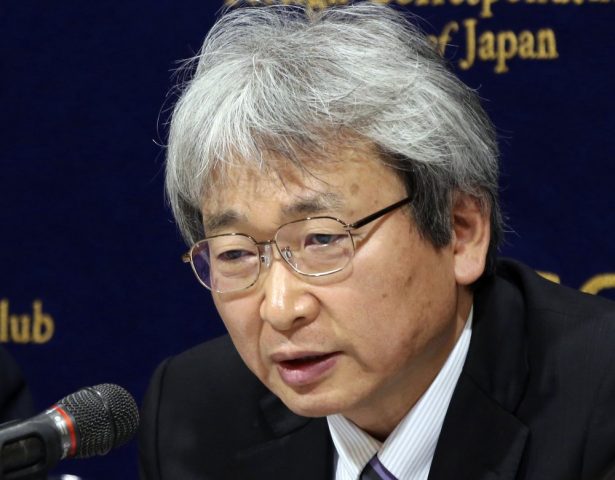
My AP Story June 1, 2019, in which I interview Takashi Takano, a lawyer for Carlos Ghosn who criticized the bail conditions that prevent his client from seeing his wife as violating human rights.
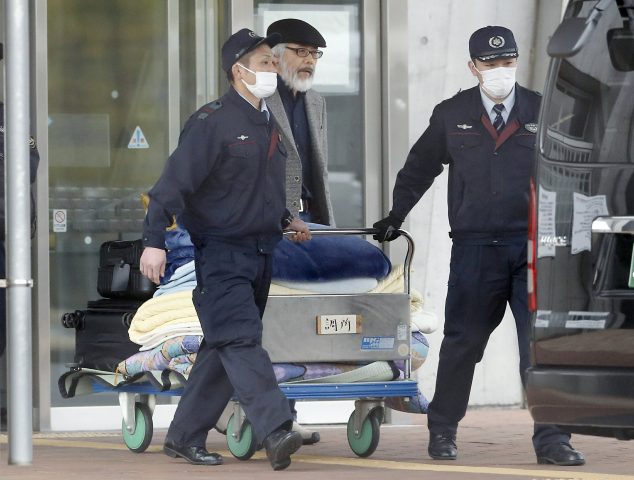
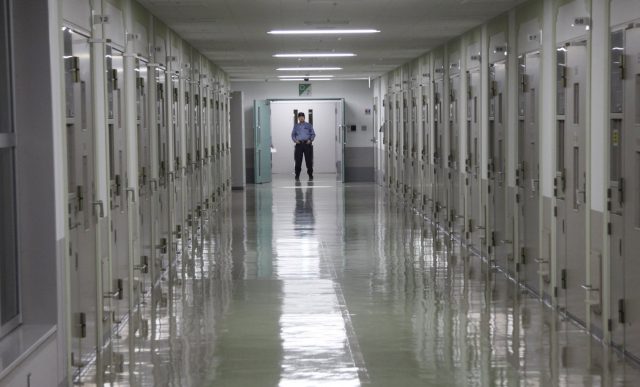
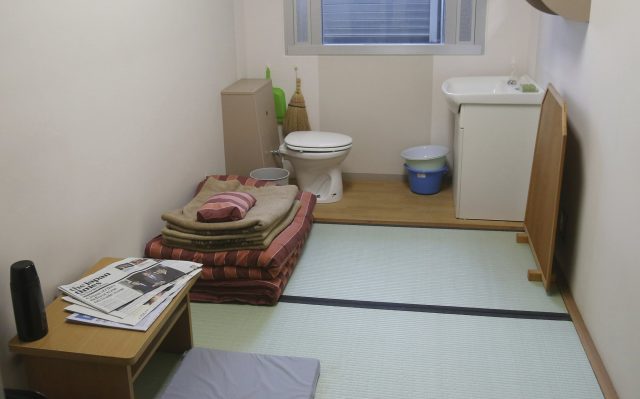
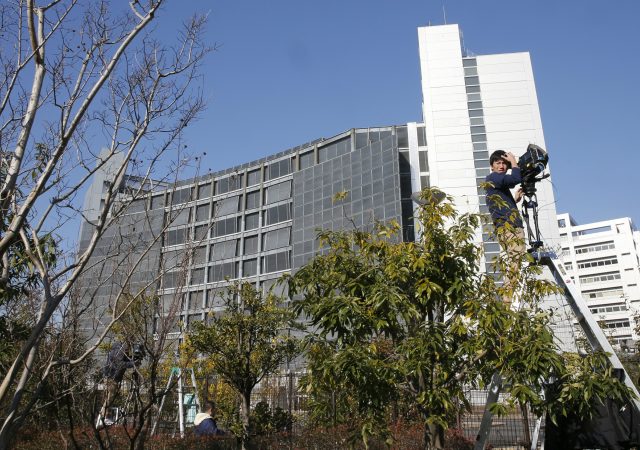
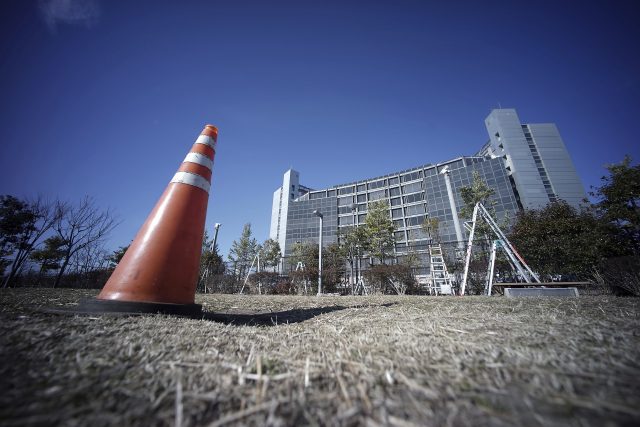
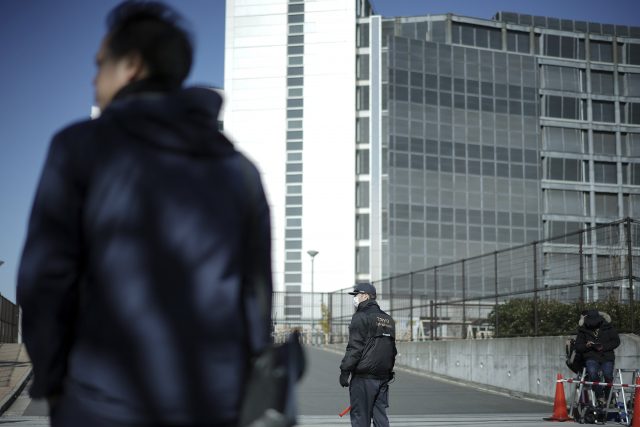
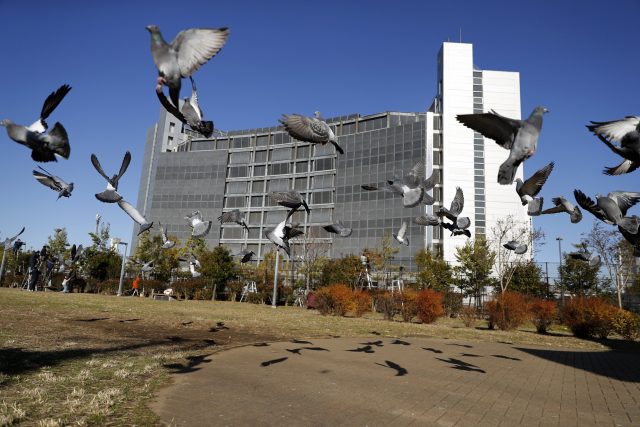
My AP Story June 10, 2019 about my visit to the Tokyo Detention House, where Ghosn was held for 130 days.
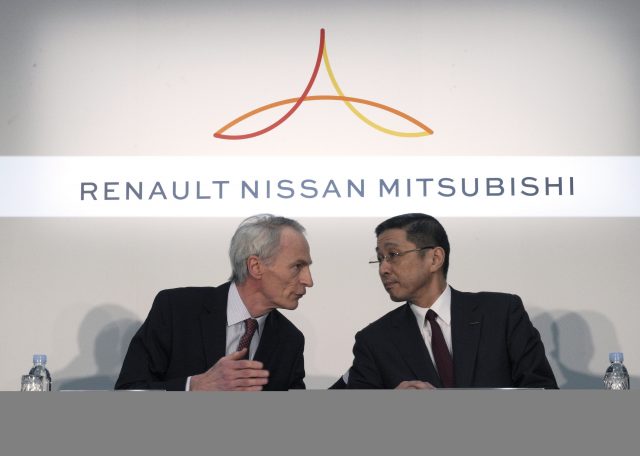
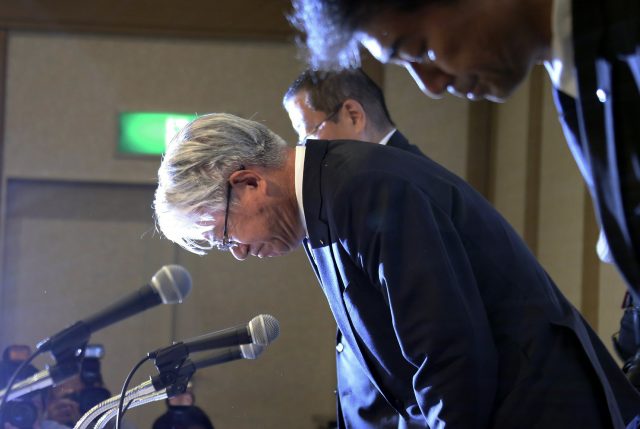
My AP Story June 25, 2019 on Nissan’s shareholders meeting where they approve governance steps and keep Saikawa on its board.
My AP Story June 12, 2019 on how proxy companies are advising Nissan shareholders against approving the reappointment of Hiroto Saikawa as a board director.
My AP Story May 29, 2019 on Renault talking with Nissan about the Fiat Chrysler merger proposal.
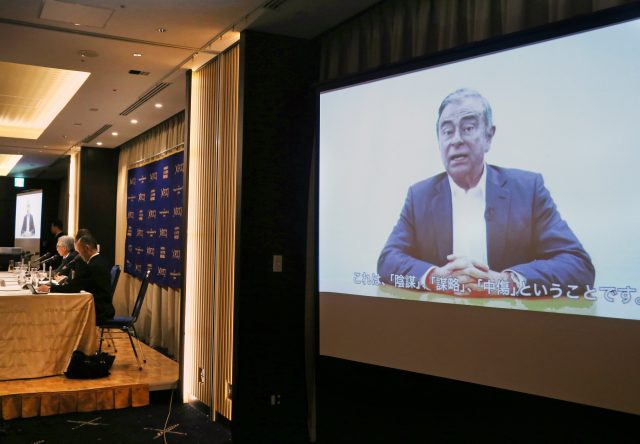
My AP Story April 3, 2019 about Carlos Ghosn saying he will hold a news conference April 11, noting he is ready to tell the truth about what’s happening.
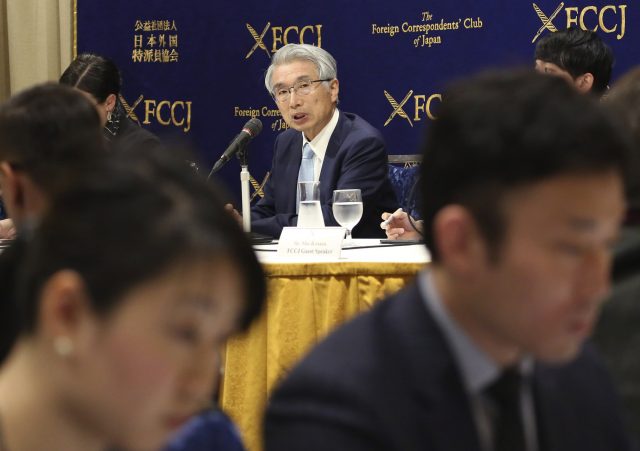
My AP Story Feb. 15, 2019 on Ghosn’s new power defense: The high-profile cases by Junichiro Hironaka. Yoichi Kitamura, the attorney for Greg Kelly, who was arrested with Ghosn, was also on the defense team of Ichiro Ozawa, one of Hironaka’s acquittal wins.
I am a contributor to this AP Story Feb. 8, 2019, with comments from Ghosn’s lawyer and spokeswoman about his Versailles wedding: Ghosn paid for all expenses, didn’t know the rental would be charged to Renault and offers to reimburse Renault.
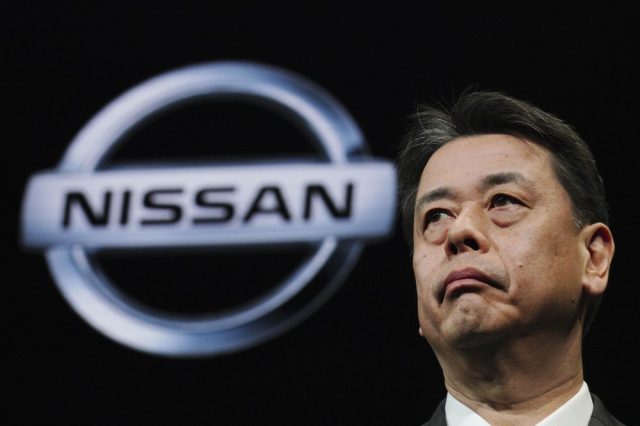
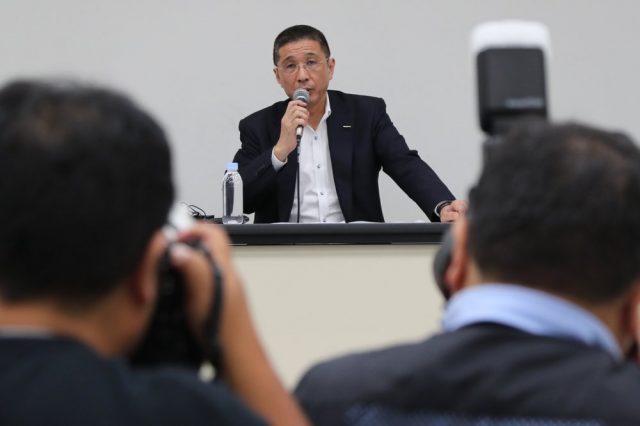
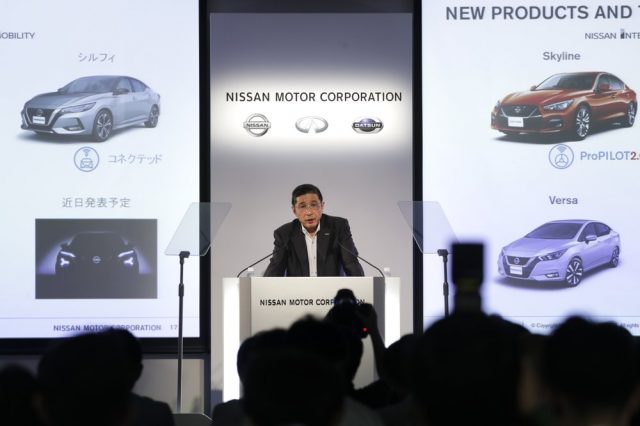
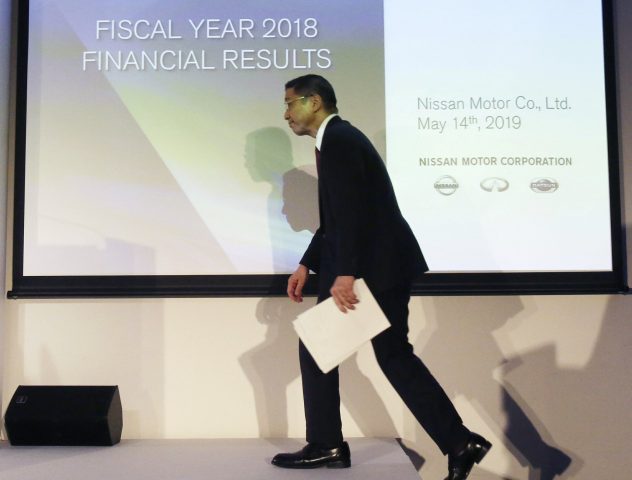
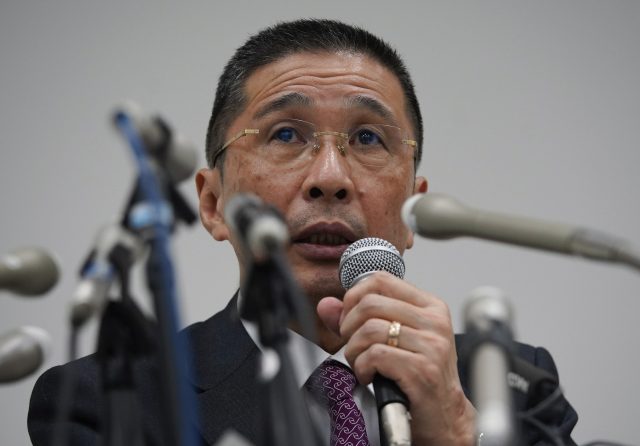
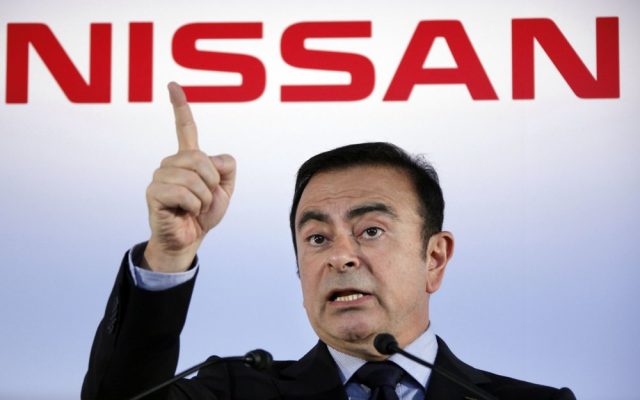
Nissan CEO at the news conference in Yokohama headquarters. Photo by Shuji Kajiyama.
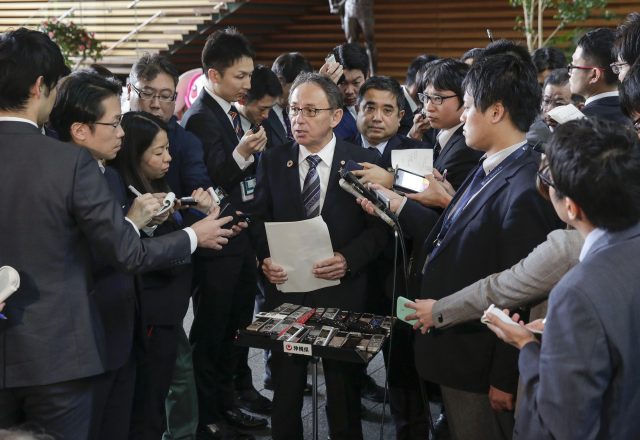
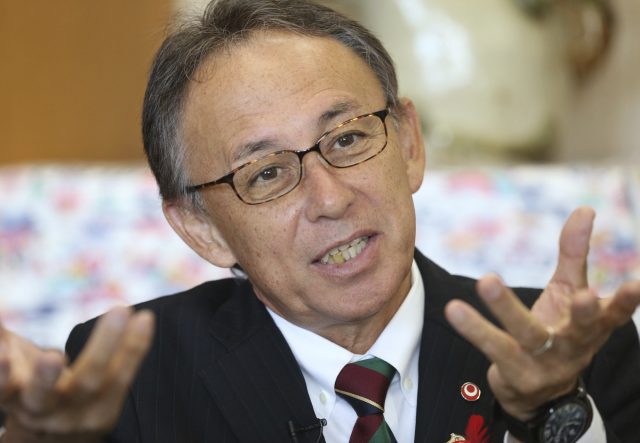
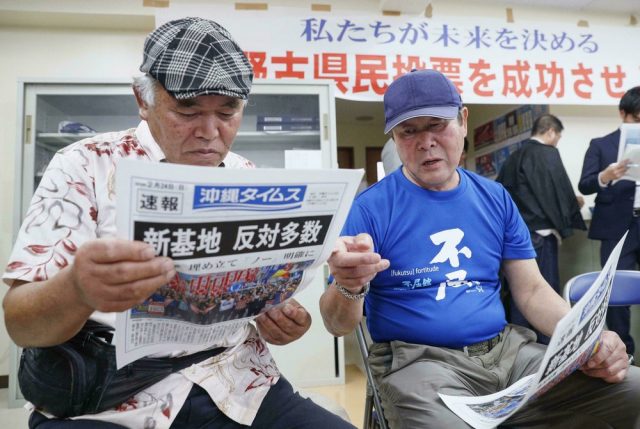
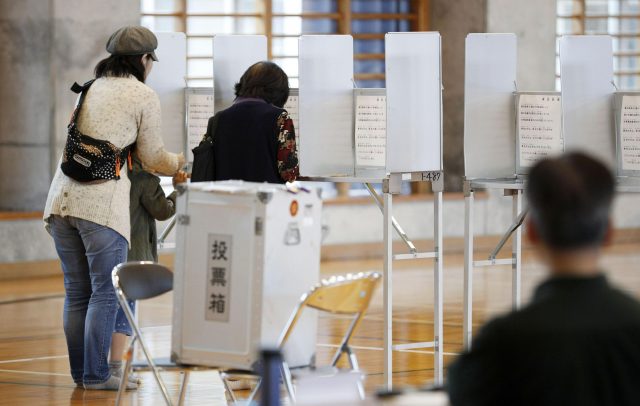
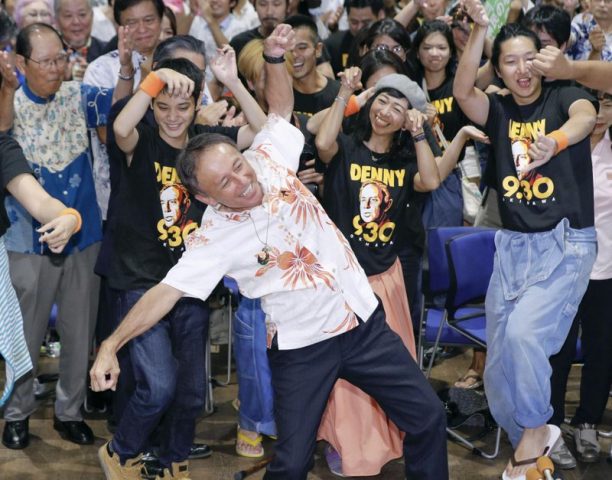
My AP Story March 1, 2019 when Okinawa Gov. Denny Tamaki talks about his meeting with the prime minister on the referendum that rejected the Henoko relocation plan.
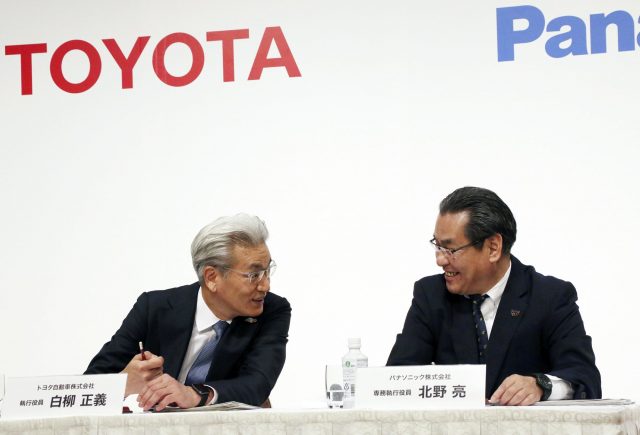
An interesting story I did today is about how Toyota will start paying workers for what had previously been free overtime. Called QC Circle, they are meetings that Toyota auto workers attend to talk about how they can improve production methods. The issue is significant because “kaizen,” efficiency ideas from workers on the line and empowering workers, are all part of the Toyota Way. Kaizen is crucial to the legendary manufacturing philosophy that make up the automaker’s sterling image. But the story of the individual worker sometimes can be far more tragic. Last year, the Nagoya District Court ruled in a lawsuit filed by the widow that the death of a 30-year-old Toyota employee was work-related, or karoshi _ death from overwork. I looked at the court documents, and the glimpse they offered into this man’s life _ and death _ was heart-breaking. He was doing more than 100 hours of overtime, sometimes working weekdays and holidays. He was stressed out because his job was checking the car body for any defects, and pressures were high to catch them all. This man had two young children, and in the beginning he was trying to also be the good father, and was giving them baths and playing with them. Toward the end of his life, he no longer had the energy to do that, the court documents say, quoting his wife. He was the team leader of one of these QC Circles, and the court ruled that such so-called voluntary work was part of the work (yes, real work) that contributed to his death. One day, as he was filling in the records for defects, he collapsed from his chair. He was rushed to the hospital but later died of heart failure.
Talk about desperately seeking buyers. Toyota is opening a giant shopping mall in Yokohama with 220 stores and restaurants, including Uniqlo, Wolfgang Puck’s and pastry stores, to be there where people hang out _ not wait for people to come to dealerships. The scenario is that you introduce the idea of buying a car to people who are shopping. Japan auto sales are falling lately to 27 year lows. Analysts say people _ especially young people _ don’t want a car, even if they get one for free! Kids who grew up in a more affluent Japan don’t covet the same status-symbol items their parents did. Manufacturers have been struggling in recent years with the challenge of developing models that meet young people’s lifestyle needs. Maybe one day there’ll be a hit car every Japanese is going to want _ like an iPod or a cell phone.
All along, the 2007 Car Wars was running close. Toyota told us 9.37 million vehicles in 2007 worldwide sales. The company said it wasn’t going to release numbers beyond that. Then GM gave their number admirably down to the last car: 9,369,524. Too close call. It was only then Toyota gave us another digit _ 9.366 million, about 3,000 vehicles fewer than GM’s. I asked Toyota officials if they had waited for GM to release numbers. Maybe they even wanted to release numbers that were smaller to avert a backlash from Americans upset that an industrial icon had been dethroned as the world’s top automaker _ a title GM has held for 77 years. This is the way Toyota sources tell it: They thought another digit wouldn’t be necessary because they had expected GM’s sales numbers to be far above the rounded off 9.37 million. They had gone on past differences between the numbers GM had given for global production vs. global sales. (Global sales tend to be bigger than global production for GM.) Toyota was surprised to see how close GM’s global sales tally was to their own, and so they felt they had to release the extra digit since reporters wouldn’t stop asking. By the way, Toyota is No. 1 in global vehicle production. Production tends to be easier to keep track for manufacturers than sales, which must add up the count from dealers. With the race virtually a tie, this means we’ll keep watching the GM vs. Toyota numbers game all this year.
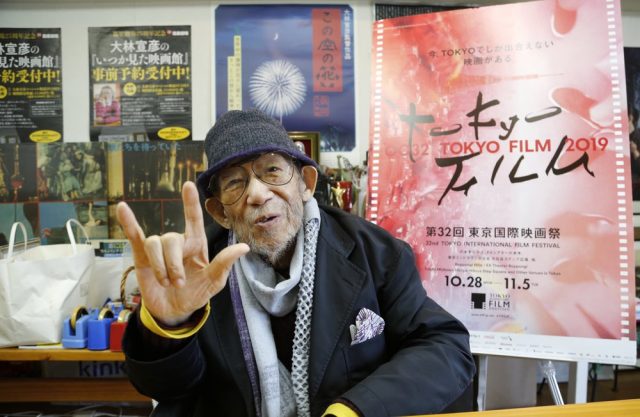
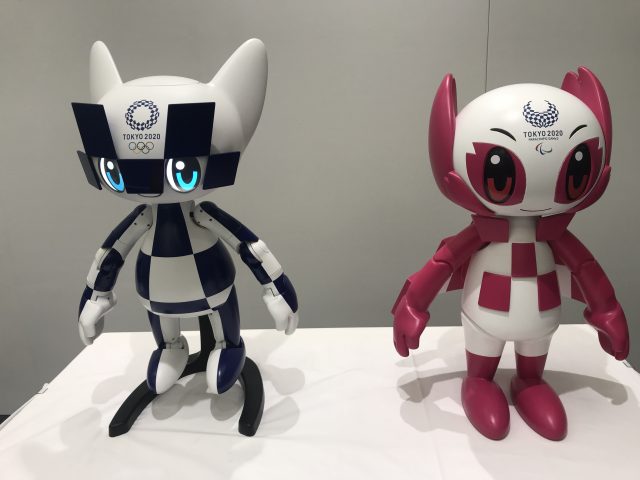
A closed off Tokyo tunnel for that underground (literally) look was where Nissan chose to show off its sportscar GT-R. We stood around for an hour crammed behind a railing with a bunch of reporters and photographers. And finally we got to watch a couple of GT-Rs zip past us. Then actress Ryoko Yonekawa came out of the car. Easier to get intrigued was Toyota’s violinist robot. Here’s the story, and the video. When the rolling Robina, which looks like a woman in a skirt, signed its name with a fat marker and said in its smooth feminine voice that she (I mean, it) wanted to help people and be a companion, it was almost moving. Toyota says it’s serious about robots. People were skeptical when Toyota showed the hybrid 10 years ago. Now everybody is scrambling to catchup. Maybe Toyota will pull off a repeat scenario with robots? Yesterday, I was in Yokohama to cover a film festival _ except all the works were shot on cell phone cameras (see photo above). There is definitely something unique about the art form just because the cell phone is: _ portable _ always around _ interactive _ personal The whole thing was more interesting as an idea/concept than as works as such things tend to be. But art getting democratic and immediate is pretty exciting. It’s also an eye-opener about how disappointingly staid and predictable such attempts can get despite the potential freedom in self-expression. After watching the works on DVD ahead of my interviews, I was awake late at night and Ingmar Bergman’s “Cries and Whispers” happened to be on cable. It was astonishing how I remembered so much of this movie, the scenes, the colors, the moods. I watched it to the end. Everything Bergman wanted us to feel still felt new and intimate _ and absolute. One of the people I interviewed said it’s easy to forget who is taking an image, and cell phone films can counter that. There’s no such forgetting with Bergman.
This gives you more of an idea of the dome’s size. Toyota says the purpose of the machine is to see how people respond in driving when they are tired, sleepy, etc. But it’d be a good machine to simply test people’s driving skills and see if they’re fit to drive. Toyota says that’s not the purpose of the machine.
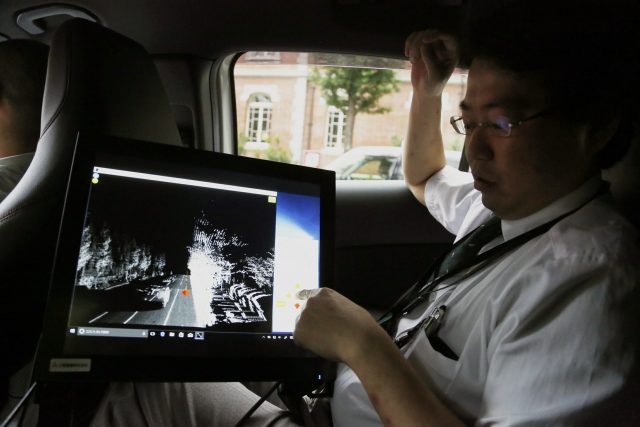
This is the view from inside Toyota’s new driving simulator: The Lexus is real, but the landscape is all computer graphics. The simulator is a giant ball that tilts and cocks, and swooshes on a rail in a huge warehouse-like building (See the other photo above to get an idea of its size). NHTSA has a similar machine. Toyota refuses to say how much it spent on the simulator.
People ask Toyota Executive Vice President Takeshi Uchiyamada for his autograph as though he is a rock star because he is the “father” of the Prius. Recently, I did a story about how he worked on Toyota’s Prius, the first gas-electric hybrid to go into commercial mass-production. The Prius celebrates its 10th anniversary in December. I did another story about Toyota: How American executives are being wooed away by rivals Chrysler and Ford. That’s a new challenge for Toyota. Toyota is very Japanese in valuing lifetime employment and employee loyalty. To get ahead in Toyota (Japanese-style,) a worker must be loyal and stay with Toyota for years and years. I wrote about Jim Press after a group interview when he became the first foreigner to join the board of Toyota. And then again when he left.