My poetry an honorable mention in “The Terrible Fives” by Ishmael Reed
This isn’t coming out until November 2026, but I am thrilled to get an honorable mention in “The Terrible Fives,” the upcoming book by Ishmael Reed, my longtime mentor since my Berkeley days.
My Poem on Mirrors _ Getting a mention in an upcoming book by Alan Ota
I hate seeing my reflection in the mirror.
I always look away.
It’s not that I consider myself utterly ugly.
I’m just embarrassed.
The same way I can never smile in photos.
That person looking back, oddly visible.
When a face should be simply a window
Used to look out from what’s within.
My longtime poet friend Alan Ota found this poem of mine from some time back. He thinks it is moving and might use it in his next book. I didn’t even remember having written this poem. It sounds like something I would write. I still like this poem.
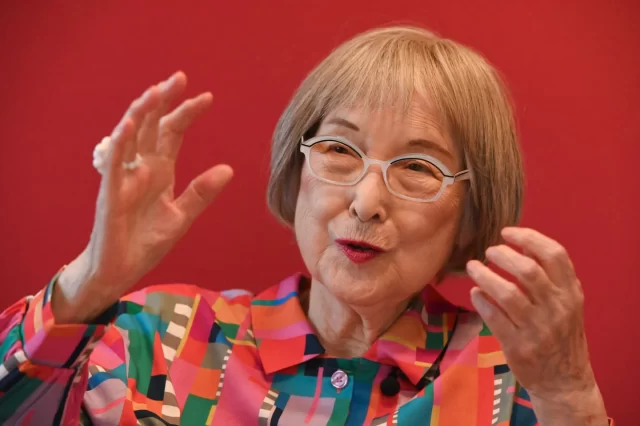
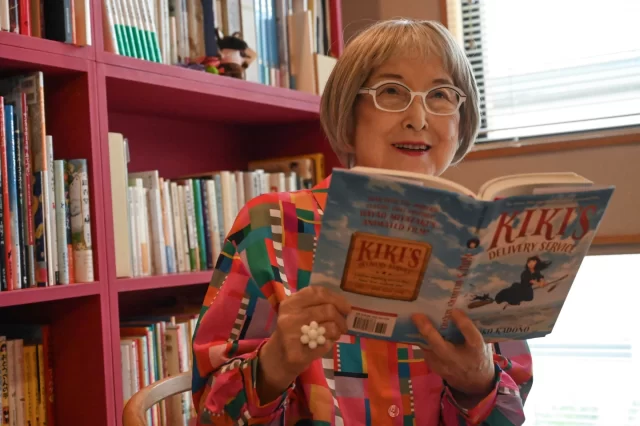
My AP Story July 1, 2026 in which I interview Eiko Kadono, the author of “Kiki’s Delivery Service.”
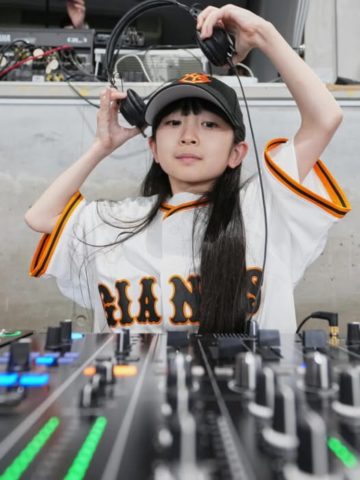
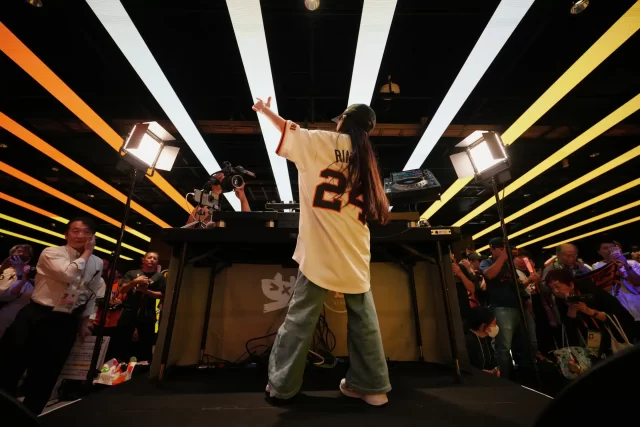
Korochan and Jiji. Reminders my AP Stories go all over the place with one being the toy a 9-year-old always has at her DJ gigs (story below) and the other that cat companion of Kiki the witch, a character created by a 91-year-old writer (story above).
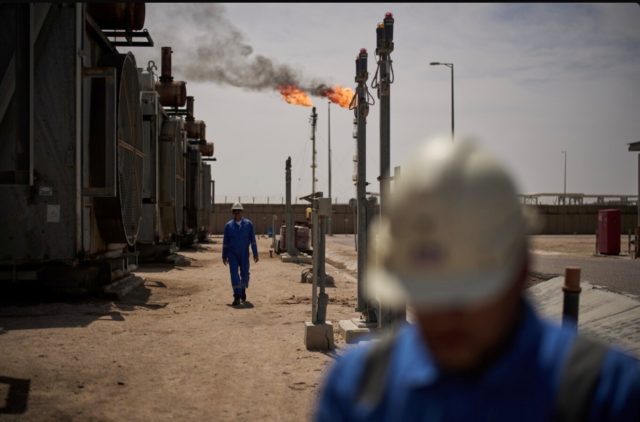
Always an honor, even if you just did your very small part, to be part of the Best of AP Honorable Mention awarded in February 2026, for this AP Story about an explosion at U.S. Steel.
My AP Story Jan. 2, 2026 about the emperor and his family greeting well-wishers at the palace for New Year’s.
AP Photo by Fatima Shbair.
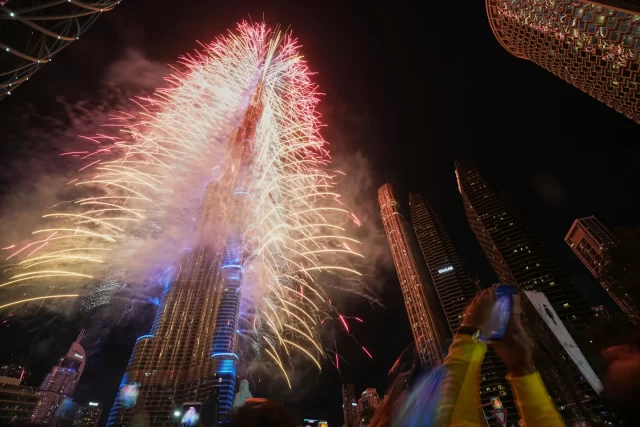
I usually start the New Year by covering a countdown event for our roundup story. I send a bunch of material but, by the end of the global day, it becomes one line, if even that. It’s a great way to start out the new year as a reporter, a humbling but comforting reminder that we just do our jobs. I am a Contributor to this AP Story Jan. 1, 2026.
This is before I joined The AP, but I had an opportunity as a young reporter to ask an aging Akira Kurosawa a question: What is filmmaking for you? 監督にとって映画とはなんですか?
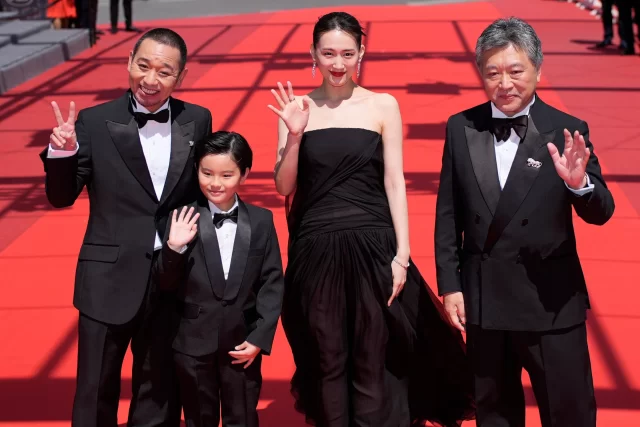
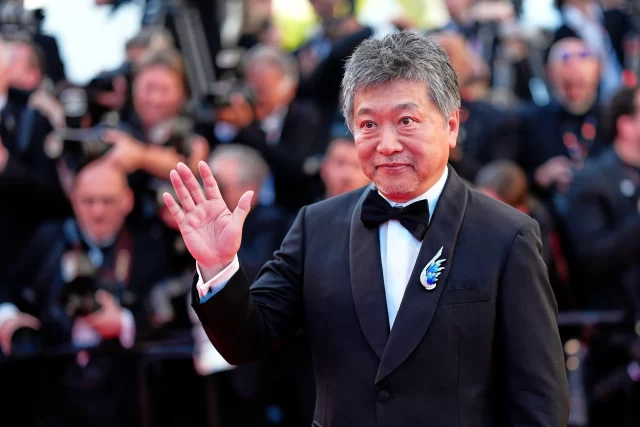
I got to tell that exact story in my recent AP story when I interviewed Hirokazu Kore-eda. Kore-eda of course asked: What was Kurosawa’s answer? I pretended to be surprised: 監督それききます?! You would ask; wouldn’t you? Kore-eda said: Come on, the way we are talking now このながれでは that’s the inevitable question. So I told him how Kurosawa had replied with a childlike but faraway look on his face, as though he was talking to no one in particular, maybe himself: If you take movies away from me, I am left with nothing. 僕から映画をとったらなにものこらないから。And Kore-eda instantly remarked: すばらしい!before he gave his answer about how lucky he was that he has his beloved hobby for a job. That interaction and his answer close my AP story.
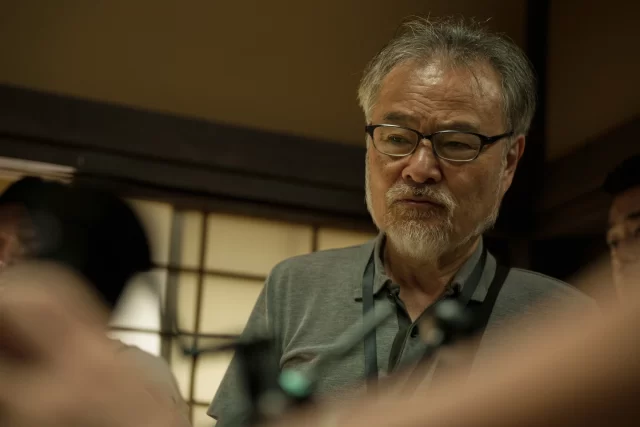
I asked the same question to Kiyoshi Kurosawa, too. And the funny thing was that he didn’t ask what Akira Kurosawa’s answer was _ the entire opposite of Kore-eda’s reaction. He gave his own answer, which is the top part of the story, about how movies are an eternal mystery, and that’s why he keeps making them. Then I asked him: Aren’t you going to ask what Akira Kurosawa said? And then Kiyoshi Kurosawa said: Well, can I ask? Is it OK? So I said: Of course, I was more surprised you didn’t ask. Which goes to show what a nice person he is. When I told him what Akira Kurosawa had said, he said: うまいこというな。Which translates to: Hey, what a clever answer. It’s telling how his answer was a bit different from how Kore-eda had said すばらしい which just means “Fantastic!”
I’m going to keep asking this same question every time I get to interview a great Japanese auteur. BTW Kiyoshi Kurosawa said he had fun being interviewed. たのしかった he said. I’ve lived life and played reporter long enough I get to have fun now and then. Coincidentally an online “memory” popped up about the Akira Kurosawa Question. That said I’d asked: Why do you keep making movies? 監督はなぜ映画をとり続けるのですか? It’s asking the same thing, but maybe a better question for the stage he was in _ both his life and career as a director. So next time I interview a legendary Japanese director, I would have to ask both questions.
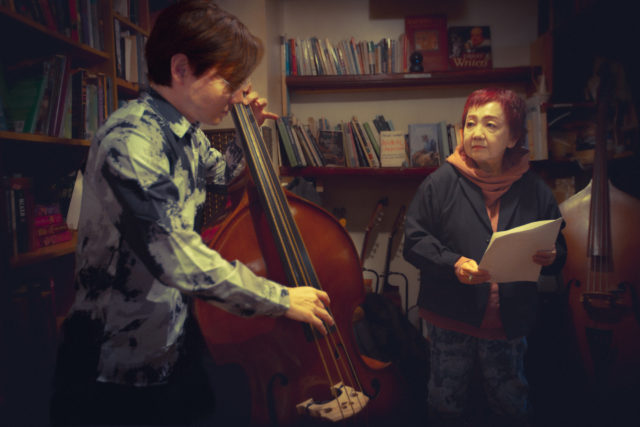
My poem FUKUSHIMA today with my Yuricane band. Toshiyuki Turner Tanahashi (bass), Hirokazu Jackson Suyama (drums) and Yuuichiro Ishii (guitar) at What The Dickens in Tokyo July 5, 2026. The last part of the poem is missing from this recording. The complete poem below. The link to a reading with bassist Darrell Craig Harris. Another version with visual artists in 2018, and an even earlier version with different instrumentation. And this is the 2014 “garage” version where we did it for the very first time (excuse all the mistakes). But I still do my poetry with the same musicians, and more. And that means a lot. The poem is one of the first pieces that I wrote for what later developed into my theater piece “NEWS FROM FUKUSHIMA: Meditation on an Under-Reported Catastrophe.”
FUKUSHIMA by Yuri Kageyama
Y’all, it’s a Meltdown nation Since Three-Eleven Covered in the fear Of unseen radiation But don’t you expect Any revolution All you will find Is fear and contamination.
Here in Fukushima It rhymes with Hiroshima Instead of a holler Hear just a whimper They say it is safe The kids like Chernobyl Are coming down sick With Thyroid cancer.
Fukushima Fukushima Fukushima
Y’all, it’s no hallucination The refugees’ life No compensation No resolution Just nuclear explosions Get your dosimeter Cesium in the water Lost Imagination
Here in Fukushima It rhymes with Hiroshima The radiated Brothers Faces are hidden Goggles and masks Like an astronaut From head to toe The Invisible workers
Tsunami Demolition God’s DeCreation Genetic Devastation Our next Generation. Here in Fukushima It rhymes with Hiroshima No-go zones forever The World must remember.
Fukushima Fukushima Fukushima
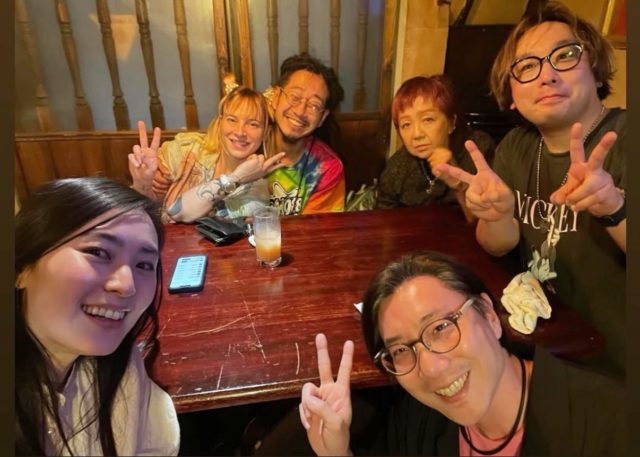
The band and friends. We did good. When people ask if I have friends, or something to that effect, I tell them I have a band.
A song about love with Words written by Yuri Kageyama and Music and song by Ryu Miho
what do you think?
it’s a trick question
what do you think?
with a right answer
what do you think?
not at all open-ended
what do you think?
as it might seem
what do you think?
it’s asking do you really love me?
do you truly understand?
what do you think?
the answer isn’t fixed
just a right answer, and a wrong
what do you think?
i love you so much
what do you think?
and long after we’re all gone
what do you think?
that big question is still there
what do you think?
what do you think?
Lovers are always asking each other: “What do you think?” and getting upset if their lover doesn’t quite get it, or answers he or she felt something about an artwork or a film they just saw together in a different way from what you’re feeling, or thought the feeling should be, or whatever. It’s really a fruitless game, but it’s one all lovers play, all the time, throughout history, wherever they are, any nation, any culture. Because ultimately you’re just asking: Do you love me? And there is no right answer or a wrong one. Just that moment you share, you are both here, alive but together on this little beautiful planet, lost in the cosmos, and we never know what to think anyway.
And this version as arranged and performed by Toshiyuki Turner Tanahashi.
We presented “What Do You Think” at a Tokyo bar together May 3, 2026. A man came up and told us his wife always asks him that, too, and he never has the right answer so he’s given up. And so: What do you think?
The poem as sung by Miho Ryu with music arranged and performed by Toshiyuki Turner Tanahashi.
Love Simply
To be near hurts
To be far hurts, too
Love simply hurts
To live hurts
To die hurts
Love simply hurts
Watching you die
Hurts even more
Love simply hurts
To know you hurts
To have known you hurts
Love simply hurts
But to not know you,
Not hurt for you
Is simply not a choice
Love simply hurts
Love simply hurts
Love simply hurts
「愛はただ痛い」
a poem by Yuri Kageyama translated into Japanese by Ryu Miho
近くにいるのもまた辛い
遠くにいるのもまた辛い
愛はただ痛い
生きるのもまた辛い
死ぬのもまた辛い
愛はただ痛い
あなたが死ぬのを見るのは
もっと辛い
愛はただ痛い
あなたを知るのもまた辛い
あなたを知っていたのもまた辛い
愛はただ痛い
でも、あなたを知らないのは
あなたのために傷つかないのは
ただ選択できない
愛はただ痛い
愛はただ痛い
愛はただ痛い
A rendition by Teru Kawabata with his singing and guitar. August 2025.
This poem, now lyrics to a song, was written in 2023. It is still developing, but I feel it has come full circle. It still makes me cry. My love is still so very real and, I know, eternal, which means the pain will never go away. It is overwhelming and frightening. But I now know many people feel this way. It is a feeling that comes only with someone you truly love. The wonderful thing is that I was able to show him my poem. He just said, “I feel loved.” The look he had on his face was like a child, totally fulfilled and happy. And what else is a poem meant to do?
I read “Love Simply” with music by Jackson on drums and Teru singing and playing guitar of the music he wrote at an open-mic in Tokyo Oct. 5, 2025. Thanks for having us and being such a fun crowd.
I read my poem “Love Simply” with Teruyuki Kawabata on guitar and Osaki Haniya, fellow poet and co-writer of “Continuously Poetry,” at Bar Gari Gari in Ikenoue, Tokyo, Sept. 19, 2025. Thanks to the Drunk Poets for having us.
Besides the Book Party, I also earlier read “Love Simply” with Teru at Infinity Books, on Oct. 11, 2025. Before I read, I told the people at the jam session that the poem was about my partner of more than 40 years, who died in April. I don’t think I ever said that in public about my poem. I also told them that I showed him the poem before he died, and he told me he felt loved. You know how you feel a bit drained, depressed even, after reading your work. But one young man who was there to jam told me he liked my poem, then said: “Your husband is one helluva lucky man.” That made it all worth it. And I thanked him.
This arrangement has the feel of autumn. The yellow chrysanthemums are the main objects. But the susuki grass blades add dynamism to the composition, while the brown-tinged leaves to the side have their own distinct personality.
My teacher said it was interesting I kept the blades long, and very much like me, which I think he meant in a positive way, as in a free spirit.