My AP Stories for 2024
Link to My AP Stories for 2023 and previous years
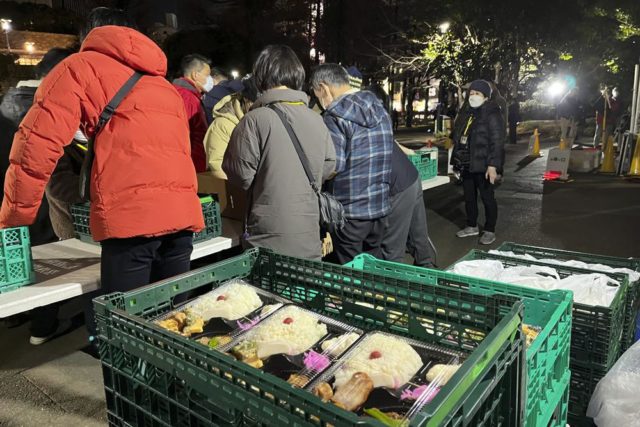
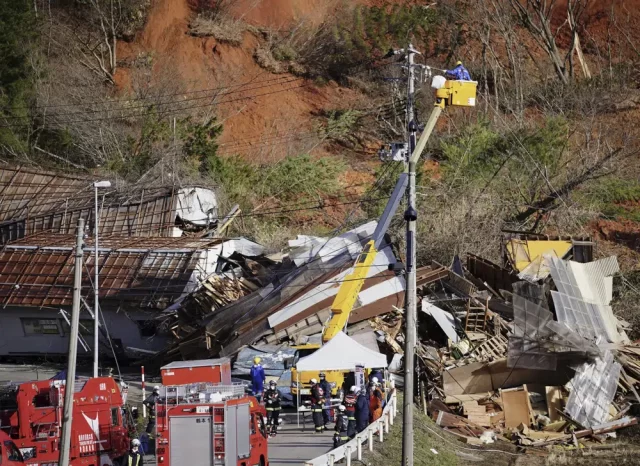
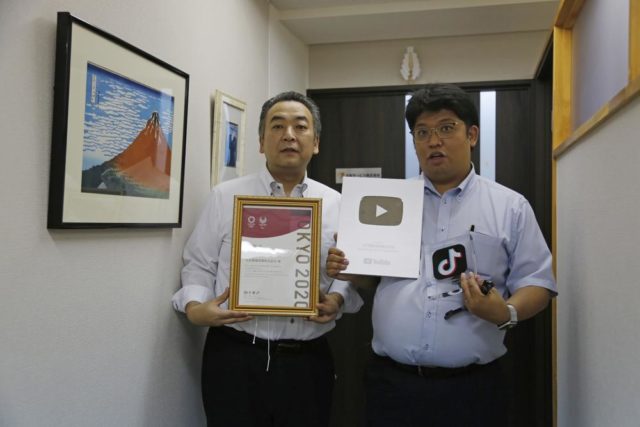
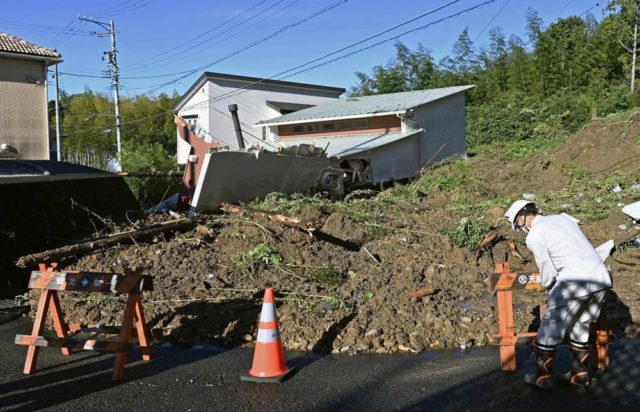
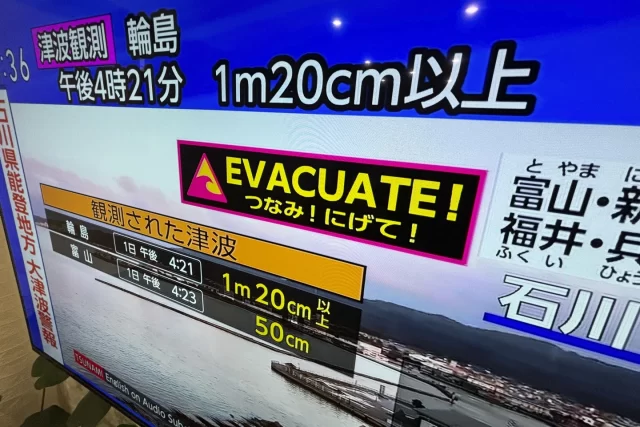
And here goes for 2024, a year that I start out as a Winner for The Associated Press Best of the Week for my quake coverage.

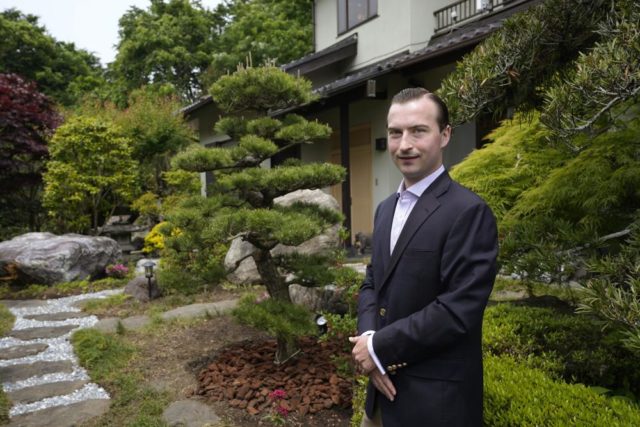
My AP Story July 12, 2024 in which I get close to Kabuki superstar Danjuro.


My AP Story July 3, 2024 on the new bills.

My AP Story and My AP Photos June 28, 2024 on what will become of the old Tsukiji fish market area.

My AP Story June 23, 2024 on the rice ball.


And I make my debut as AP’s recipe writer with My AP Story June 23, 2024.

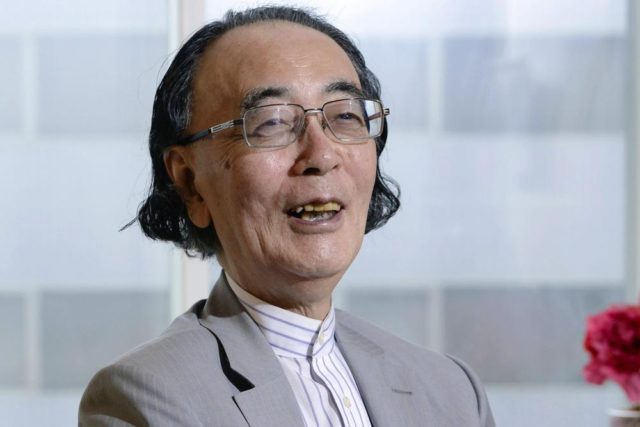
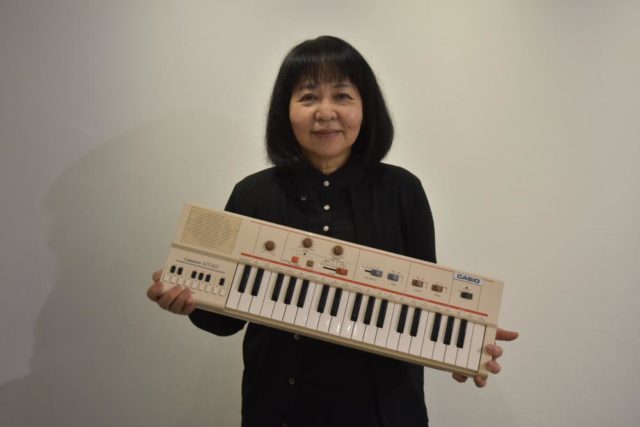
My AP Obit June 19, 2024 on Japan’s “beat” poet Kazuko Shiraishi.

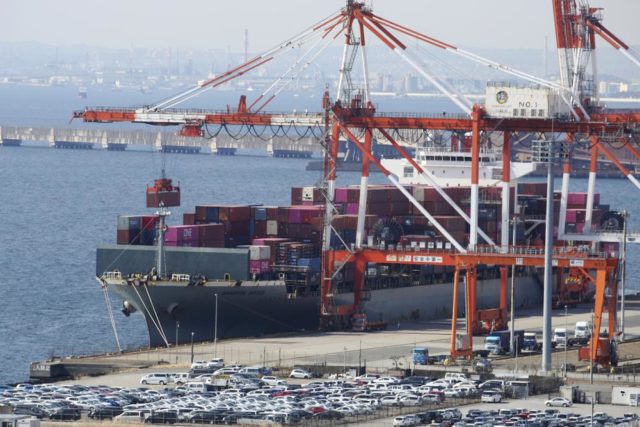
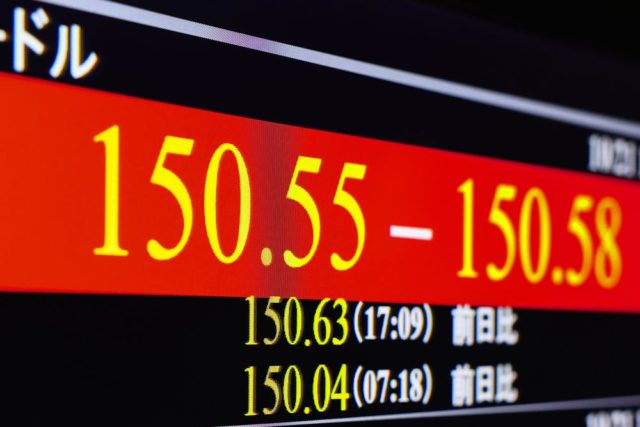
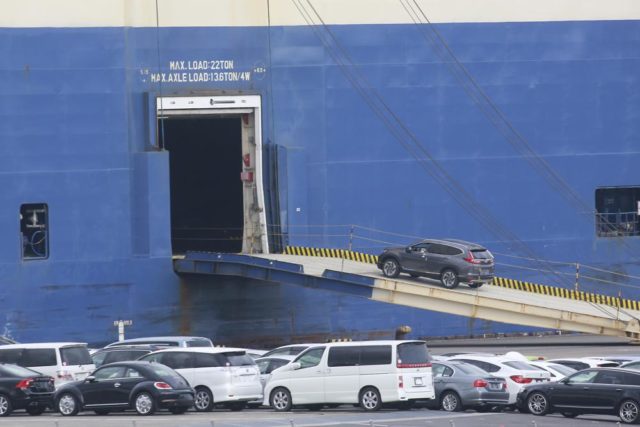
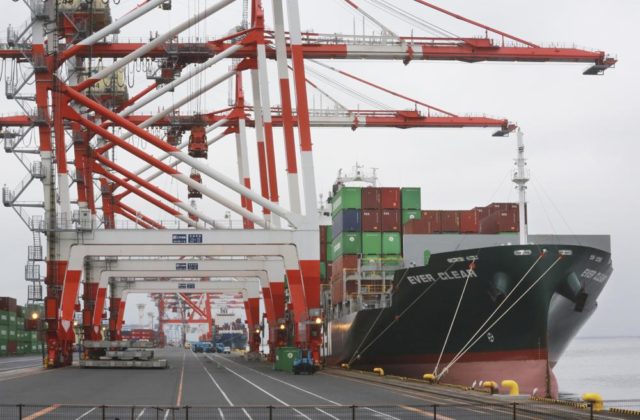
My AP Story June 19, 2024 on Japan’s trade data.

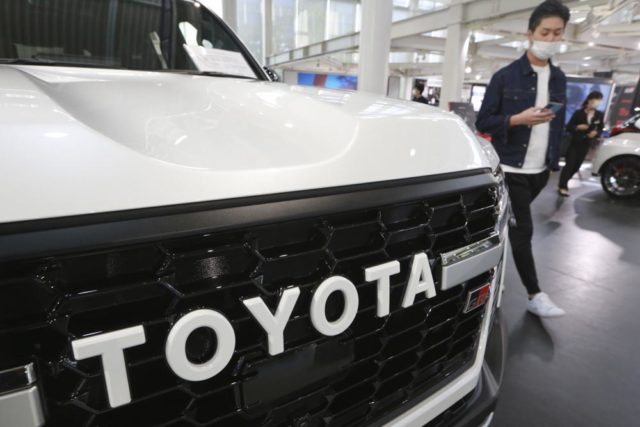
My AP Story June 18, 2024 on the Toyota shareholders’ meeting.

I’m a Contributor to this AP Story June 15, 2024 about the price of orange juice.

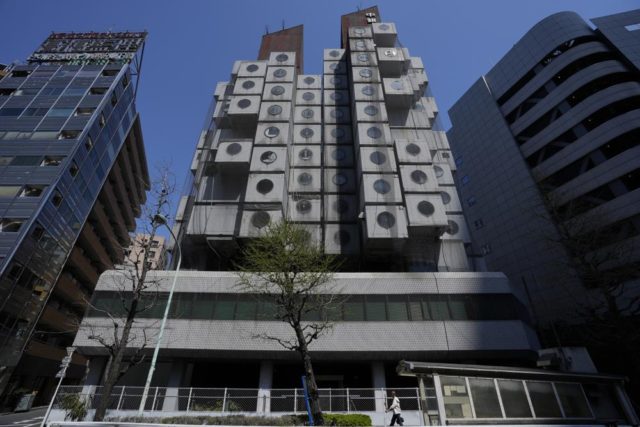
My AP Story June 12, 2024, an obituary on architect Fumihiko Maki.

My AP Story June 10, 2024 on Japan’s economy.

My AP Story June 16, 2024 on Toyota facing some unhappy shareholders.
My AP Story June 3, 2024 on Toyota apologizing for faulty tests on cars.

My AP Story May 30, 2024 in which I interview George Takei.

My AP Story translated into Spanish.

My AP Story May 29, 2024 on a working group under the U.N. issuing a report on human rights abuses in Japan.

My AP Story May 28, 2024 on Toyota’s talking about the ecological engine in the works.

My AP Story May 23, 2024 on Sony’s strategy centering around its creative businesses.

My AP Story May 22, 2024 on Japan’s trade data.
My AP Story May 19, 2024 on the bear attacks.

My AP Story May 16, 2024 on Honda’s EV strategy.

My AP Story May 16, 2024 on the economy.
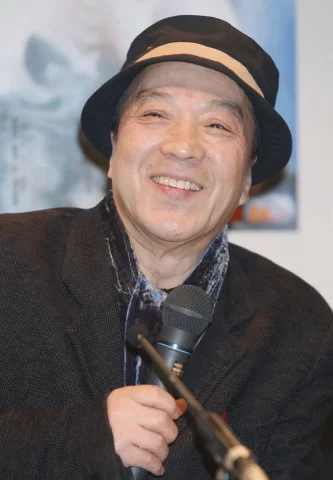
My AP Story May 5, 2024, an obituary on Juro Kara.

My AP Story April 29, 2024 about a 1990’s TV reality show.
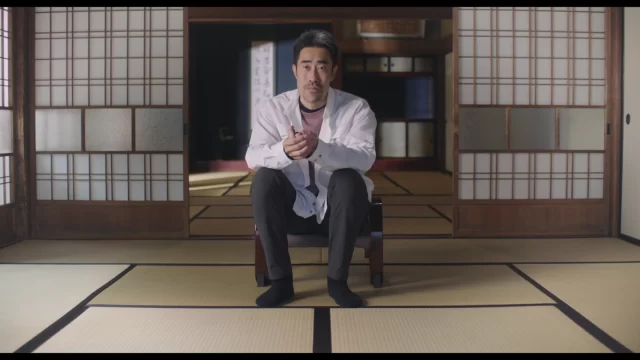
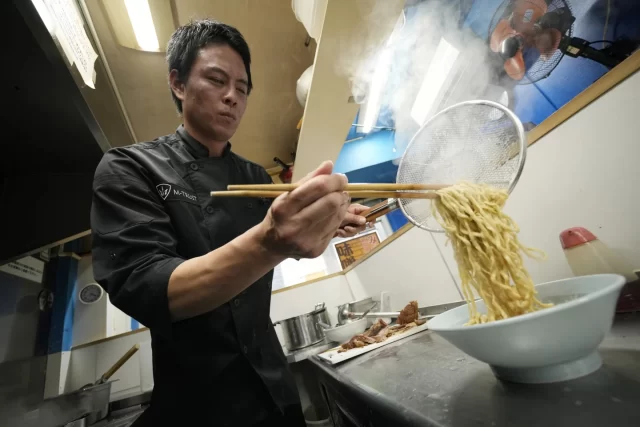
My AP Story April 25, 2024 on ramen noodles.
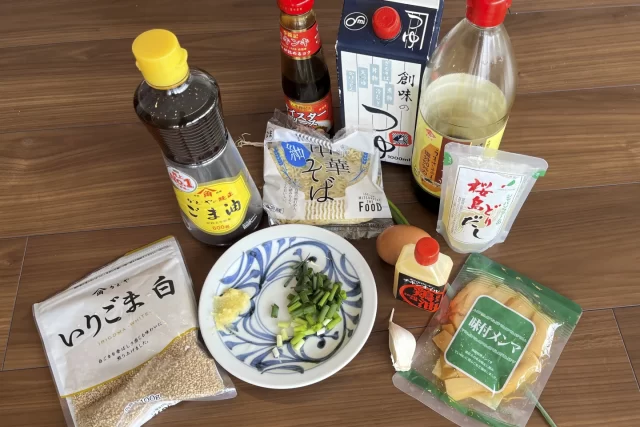
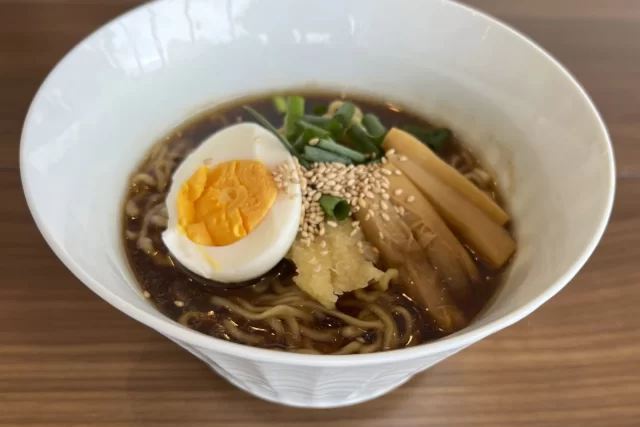
My AP Sidebar Story on an easy ramen recipe with My AP Photos.

My AP Story May 14, 2024 on Sony’s earnings.

My AP Story May 13, 2024 on SoftBank Group in the red for the fiscal year.

My AP Story May 10, 2024 on Sega Sammy selling a resort to a U.S. fund.

My AP Story May 8, 2024 on Toyota’s booming profit and investment for future growth.

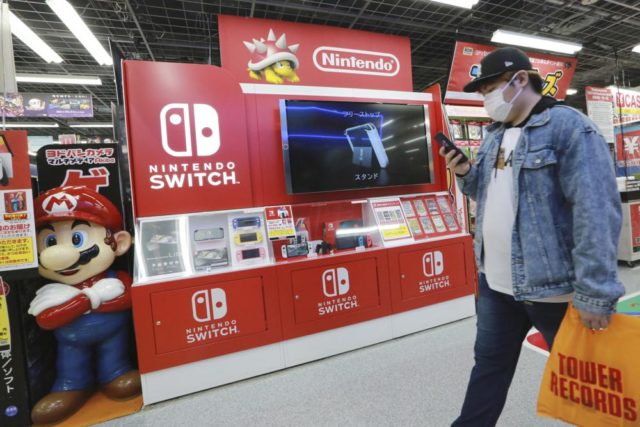
My AP Story May 7, 2024 on Nintendo promising an announcement on a Switch successor.

My AP Story May 3, 2024 on Nippon Steel’s acquisition of U.S. Steel.
My AP Story April 22, 2024 on Japan’s antitrust body telling Google not to undermine competition.
My AP Story April 19, 2024 on a damages lawsuit filed by Japanese doctors against Google.
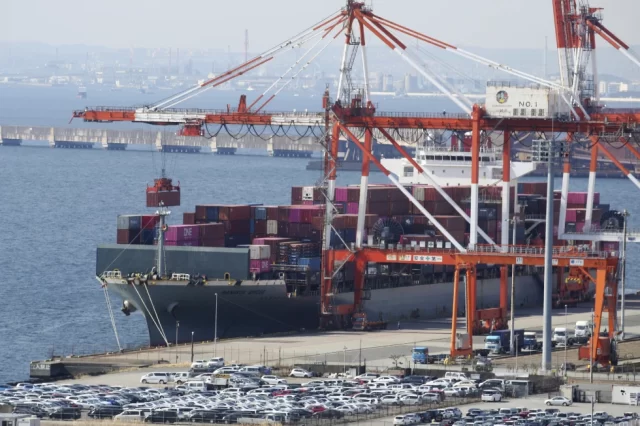
My AP Story April 17, 2024 on Japan’s March trade data.
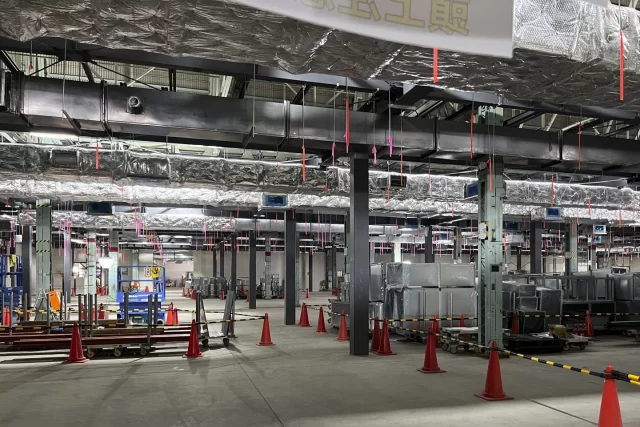
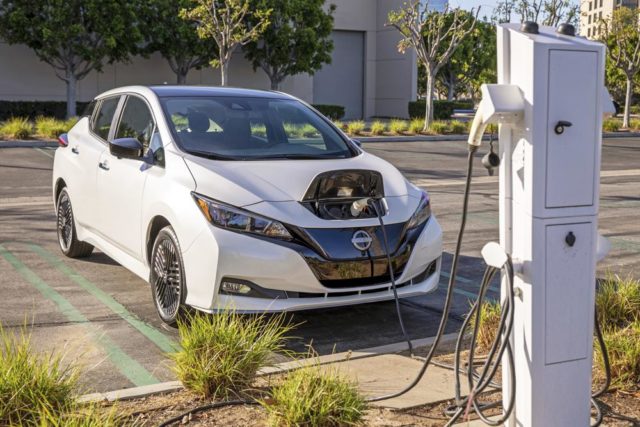
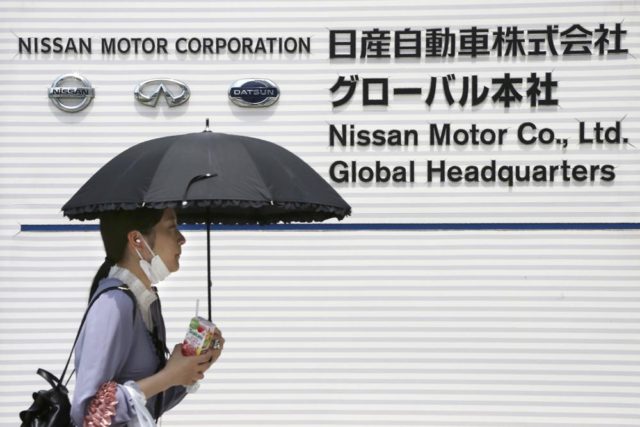
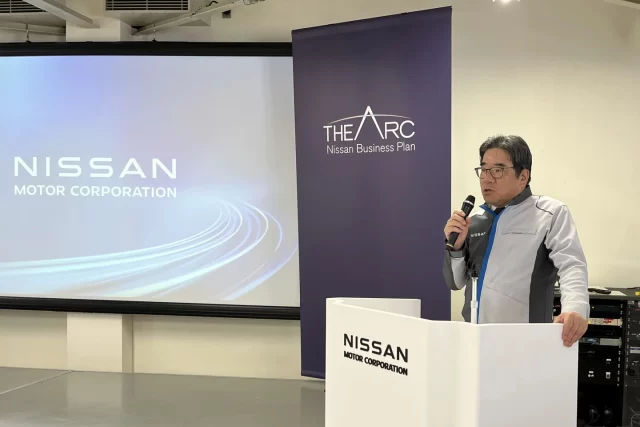
My AP Story and My AP Photos April 16, 2024 on Nissan’s EV ambitions.
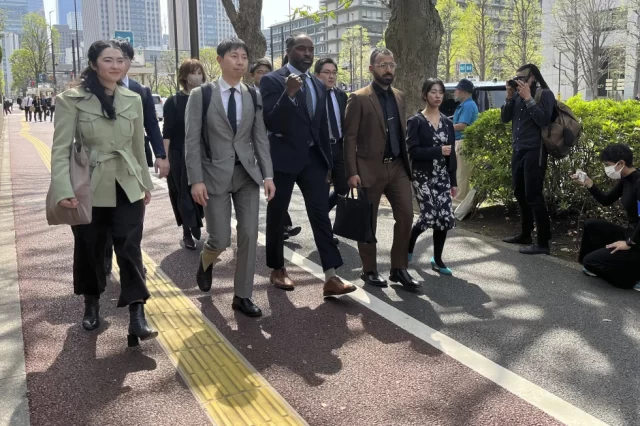
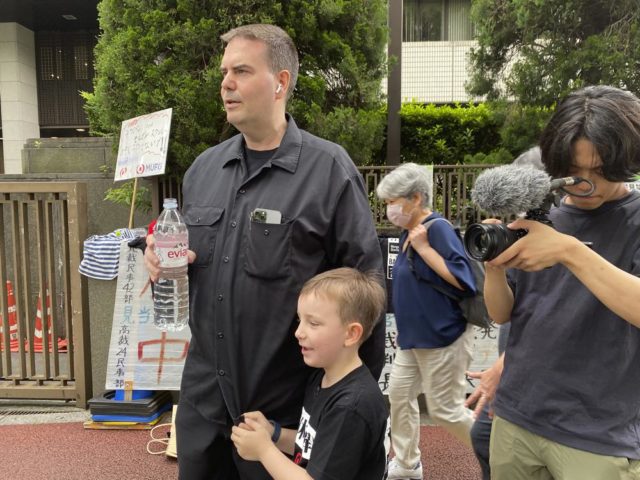
My AP Story and My AP Photo April 15, 2024 on a lawsuit accusing Japanese police of racial profiling.
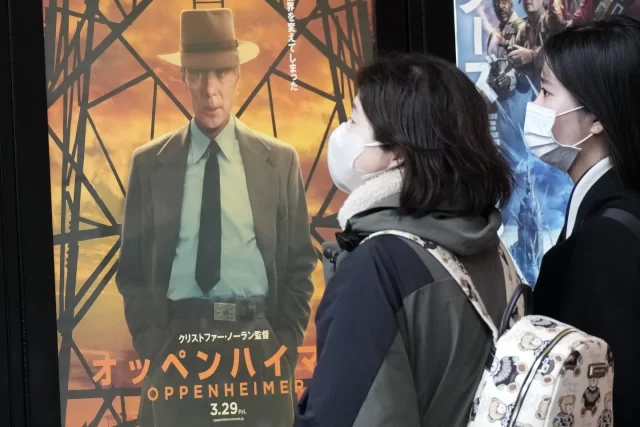
My AP Story March 29, 2024 on “Oppenheimer” opening in Japan.
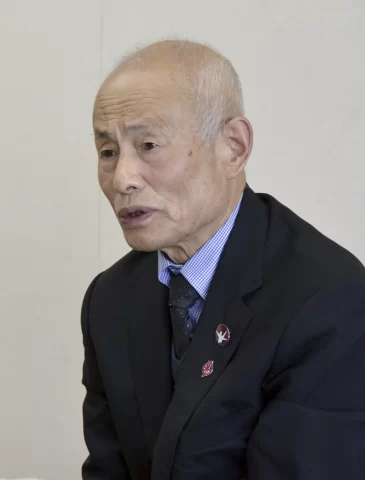
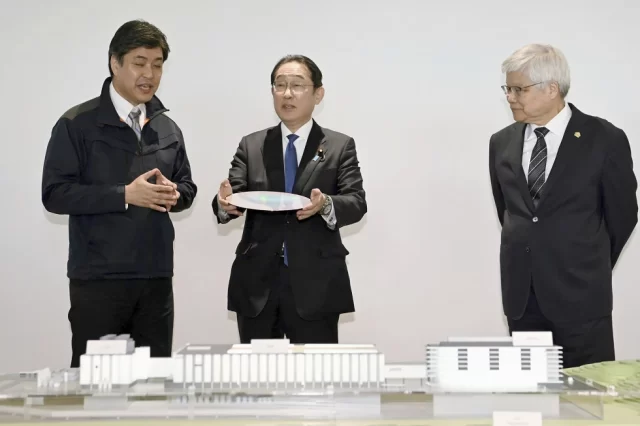
My AP Story April 6, 2024 on the Japanese prime minister’s visit to a semiconductor plant.
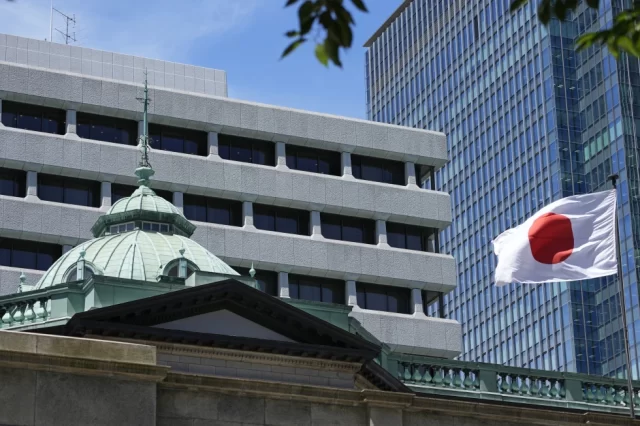
My AP Story April 1, 2024 on the Bank of Japan “tankan” survey.
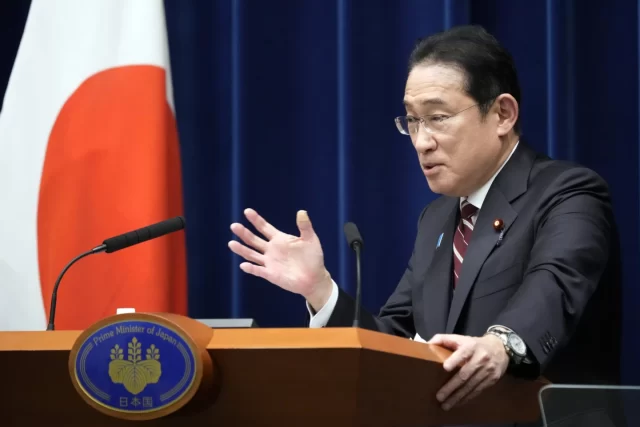
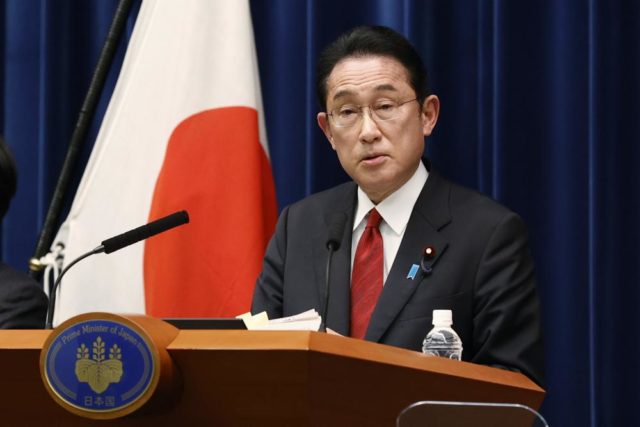
My AP Story March 29, 2024 on the news conference by Japan’s prime minister.
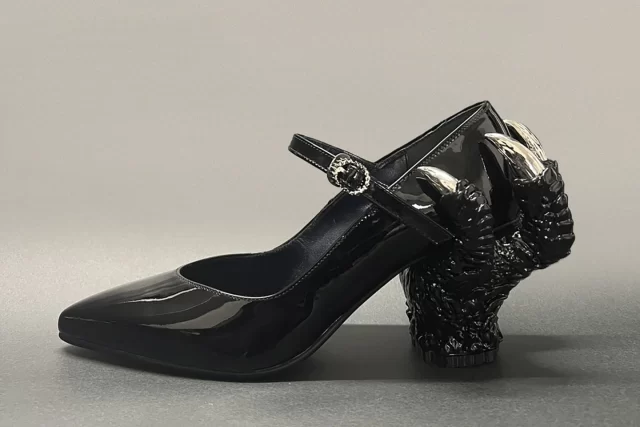
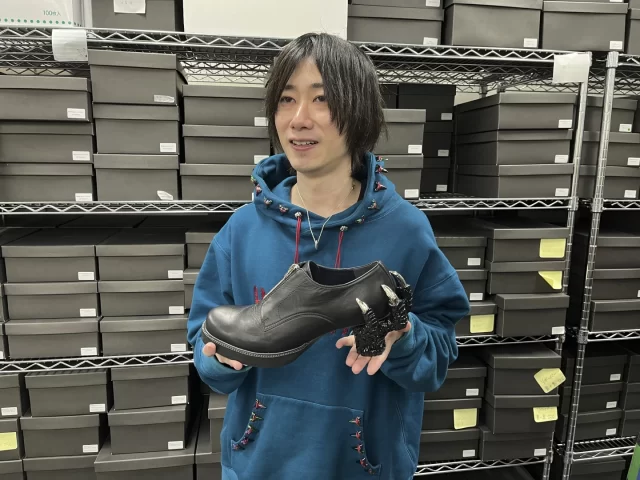
My AP Story March 27, 2024 when I interview the designer of the Godzilla shoes.
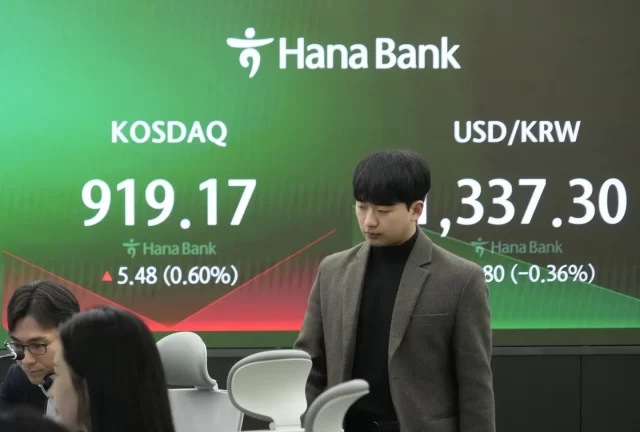
My AP Story March 26, 2024 on Markets.
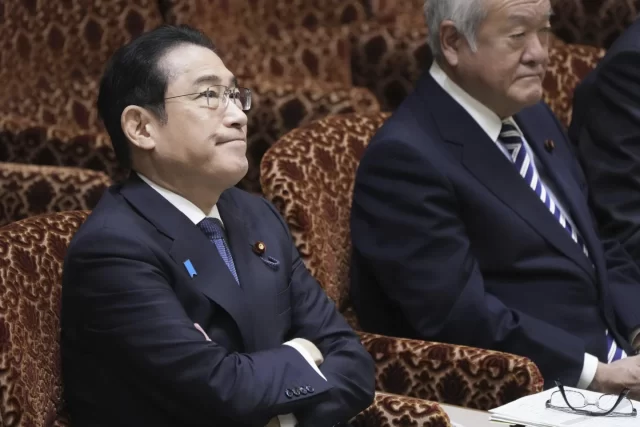
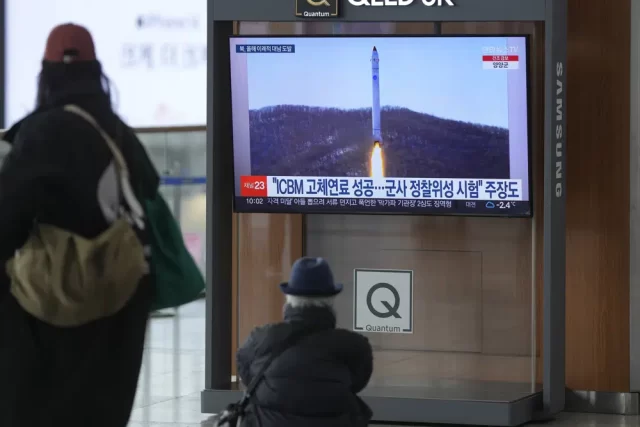
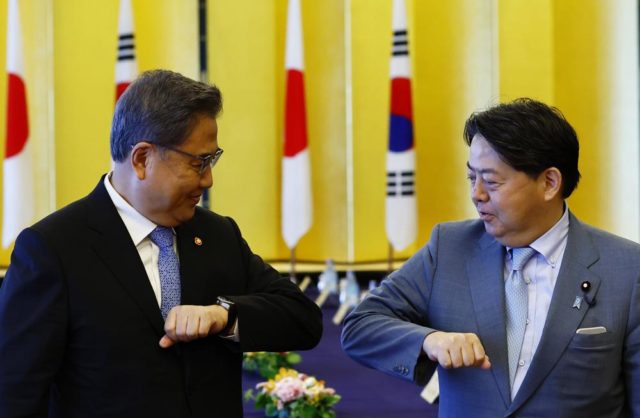
I’m a Contributor to this AP Story March 25, 2024 about North Korea saying Japan seeks summit.
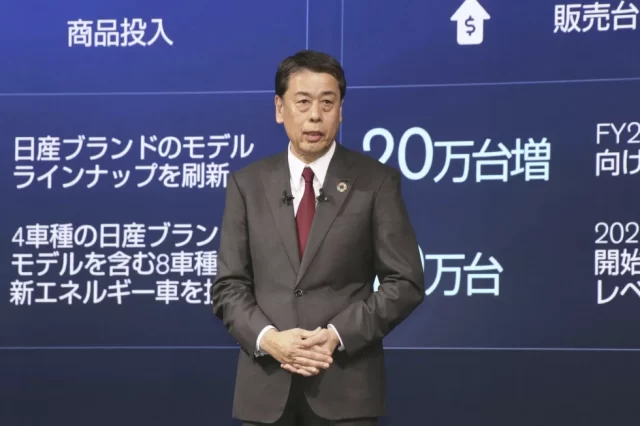
My AP Story March 25, 2024 about Nissan’s aggressive electric vehicle push.

My AP Story March 21, 2024 on Japan’s trade data.
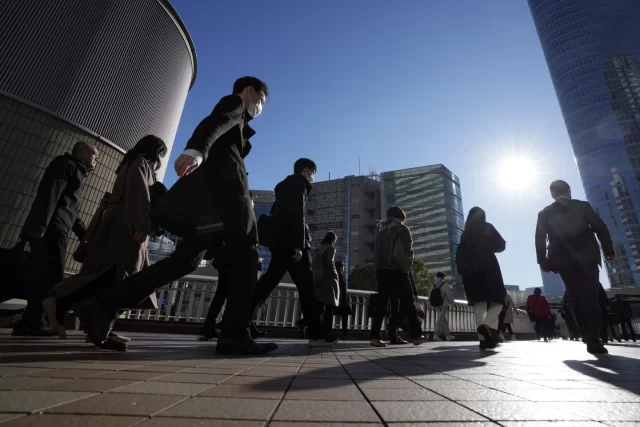
My AP Story March 19, 2024 on the Bank of Japan ending its negative interest rate policy.
My AP Story May 9, 2024 on Nissan’s earnings for the fiscal year.
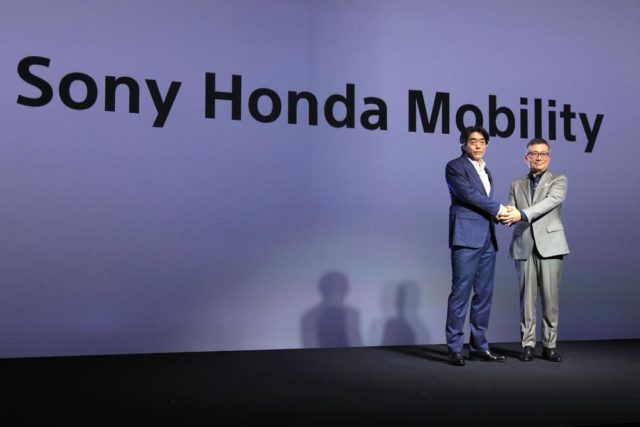
My AP Story March 15, 2024 on Nissan and Honda working together on electrification and intelligence technology.
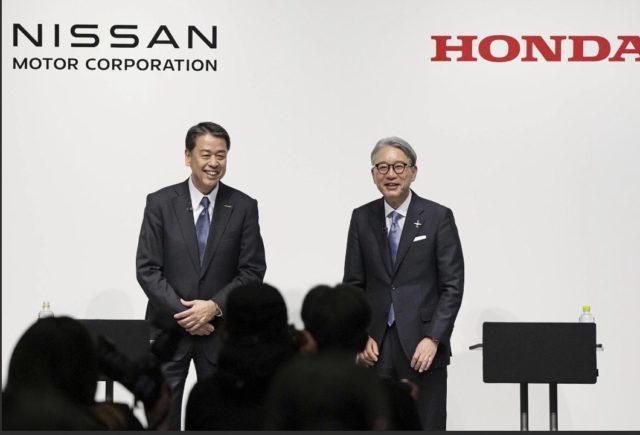
Watch the Video here.
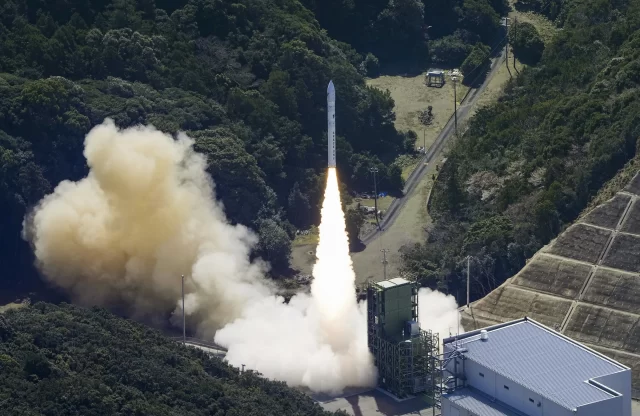
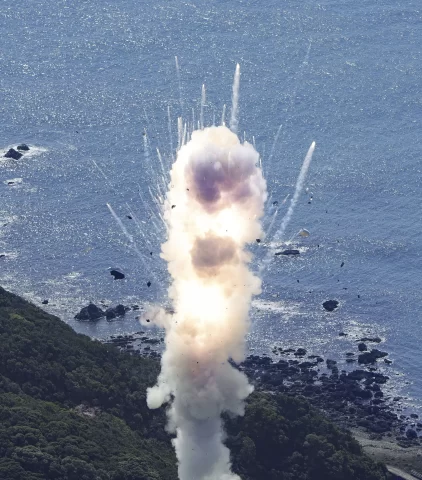
My AP Story March 13, 2024 on the failed rocket launch by Space One.
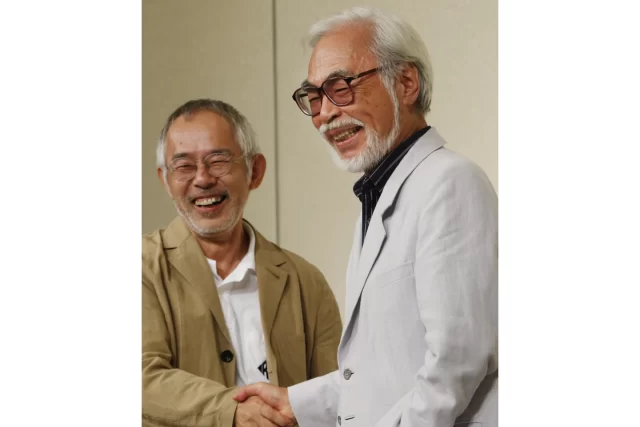
My AP Story March 12, 2024 on Hayao Miayazaki and Japan’s Oscar wins.
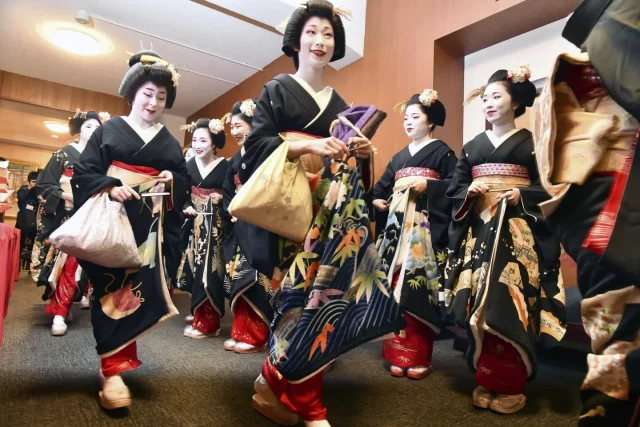
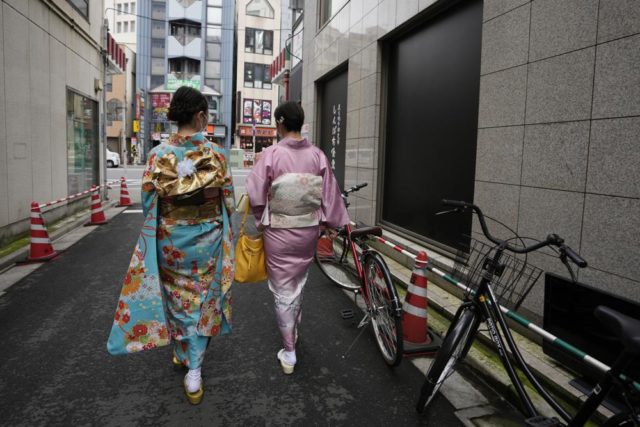
My AP Story March 8, 2024 about Kyoto’s geisha district fighting over-tourism with keep-out signs.
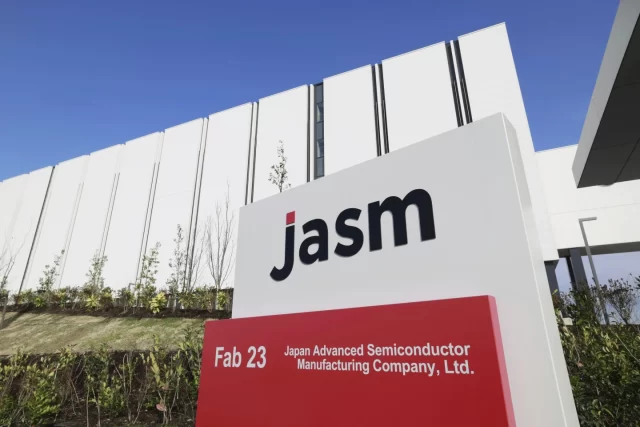
My AP Story Feb. 25, 2024 on the opening of a semiconductor plant.
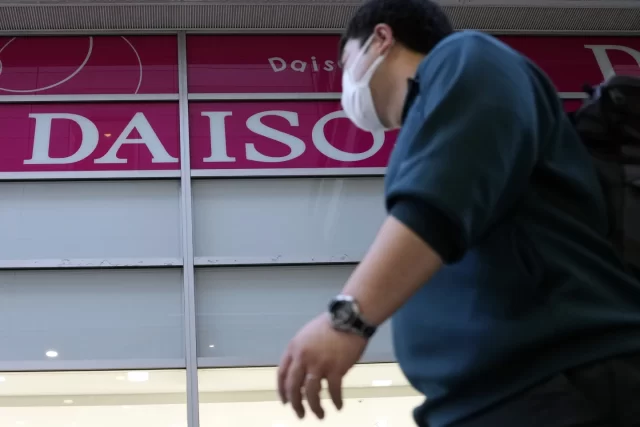
My AP Story Feb. 20, 2024, an obit on the founder of the Daiso 100-yen shop chain.
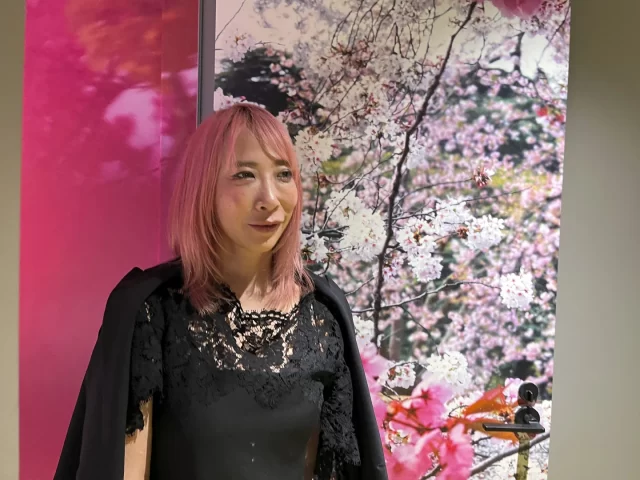
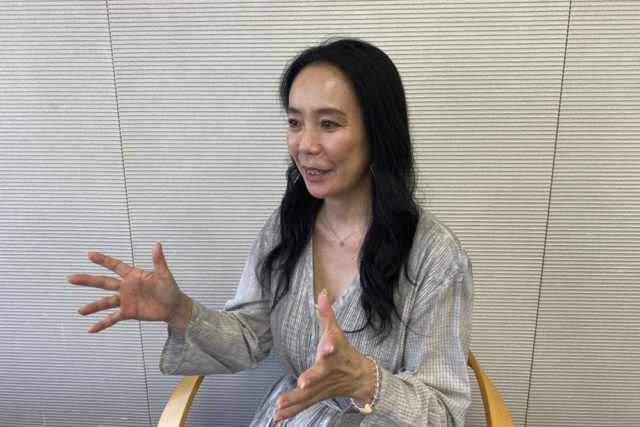
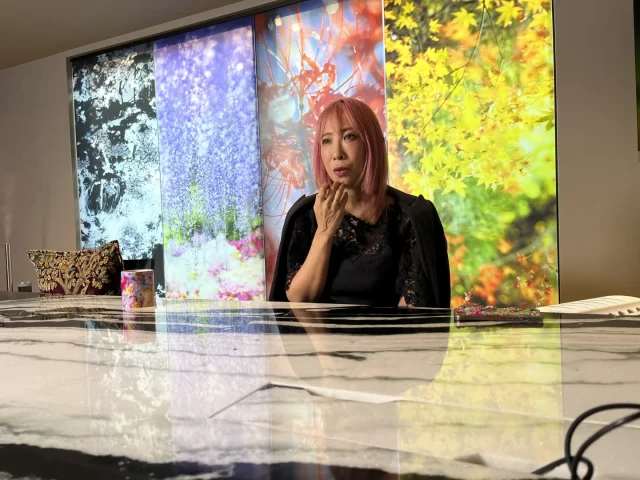
My AP Story Feb. 9, 2024 in which I interview Mika Ninagawa, and do Photos and Video.

My AP Story Feb. 3, 2024 on the Japanese Embassy’s message about Taylor Swift and the Super Bowl.
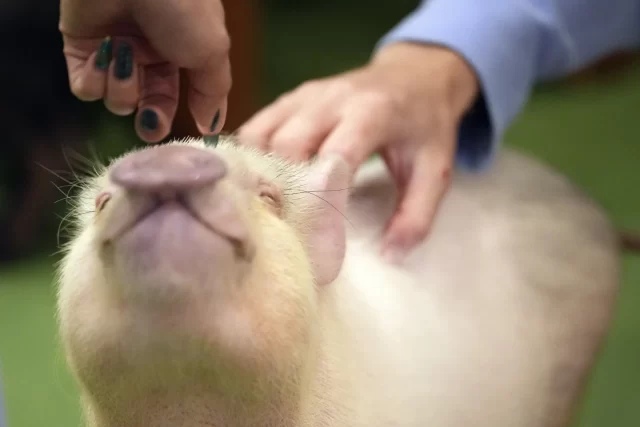
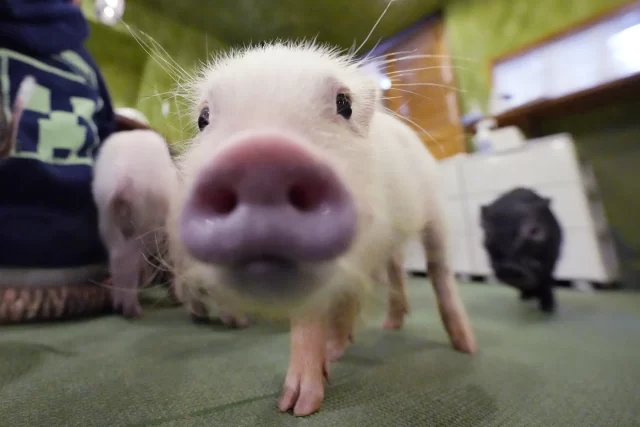
My AP Story Jan. 30, 2024 about a pig cafe.
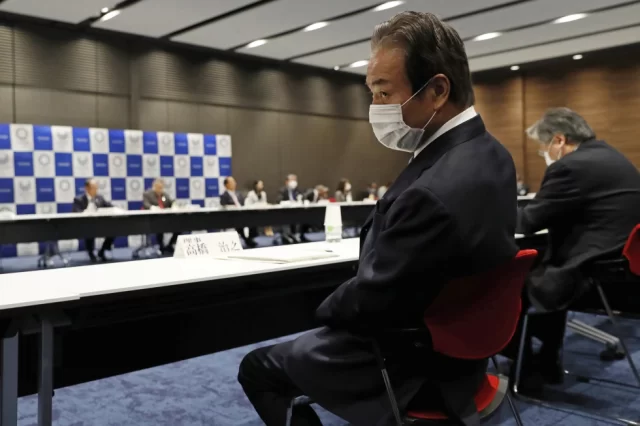
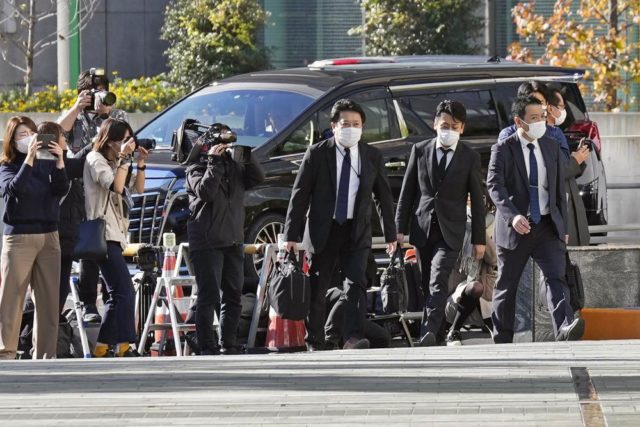
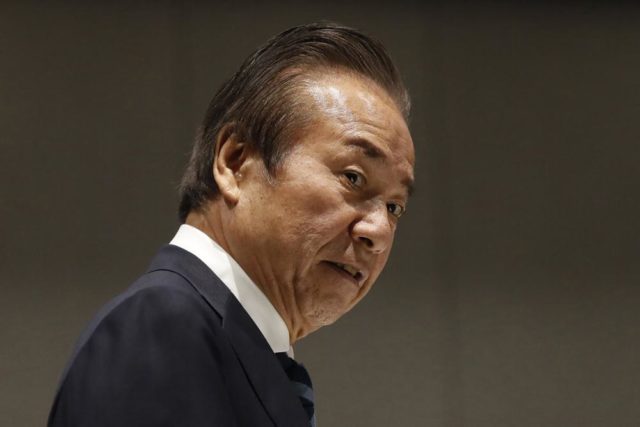
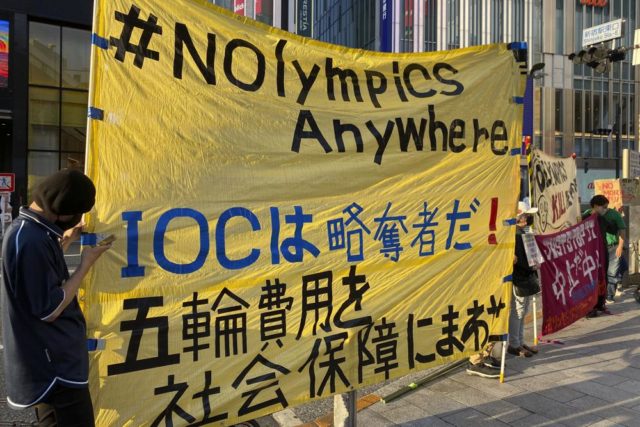
My AP Story Jan. 31, 2024 on the Olympic trial, where the defendant denies the payments were bribes.
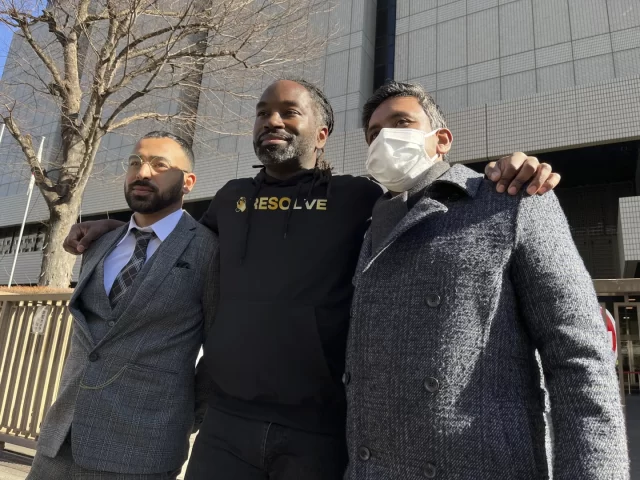
My AP Story and My AP Photos Jan. 29, 2024 on a lawsuit demanding a stop to “racial profiling.”
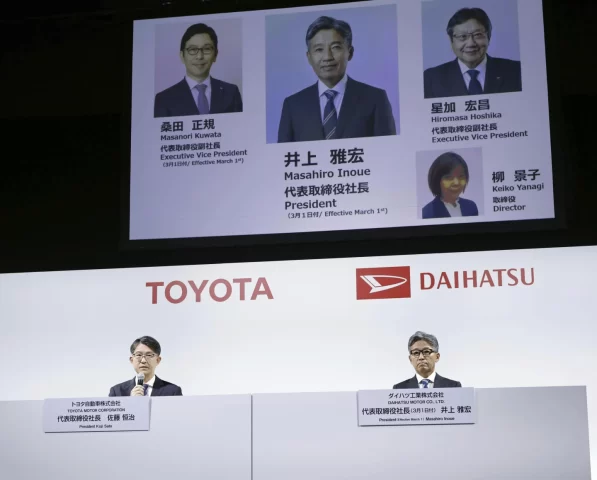
My AP Story Feb. 13. 2024 on a new president at a Toyota subsidiary fighting a scandal.
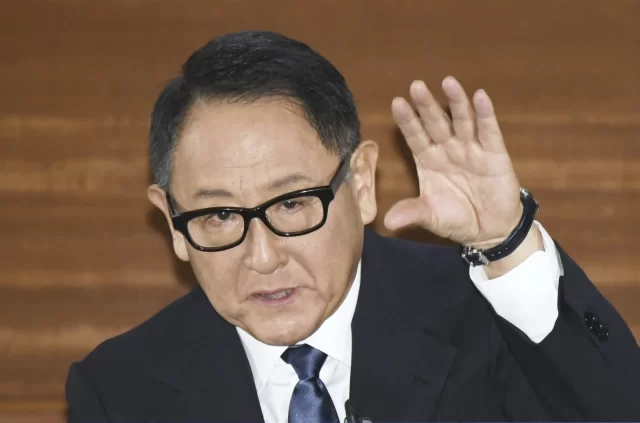
My AP Story Jan. 30, 2024 on Toyota’s Akio Toyoda stressing a global vision.
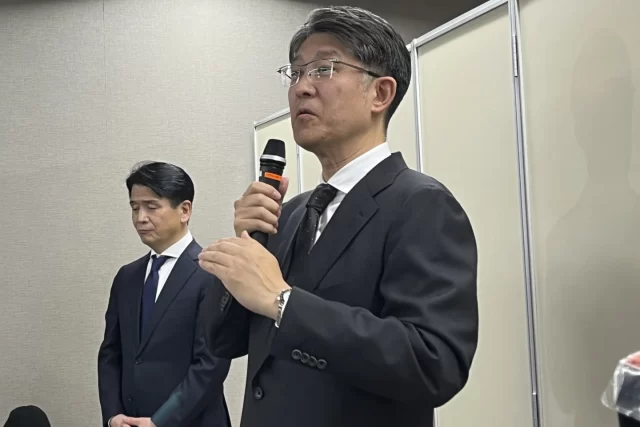
My AP Story Jan. 29, 2024 on Toyota apologizing for cheating on testing _ again.

My AP Story and My AP Photo Jan. 23, 2024 on a film that documents how single moms are poor.
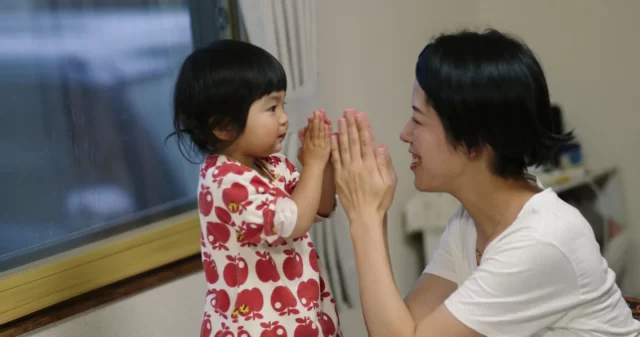
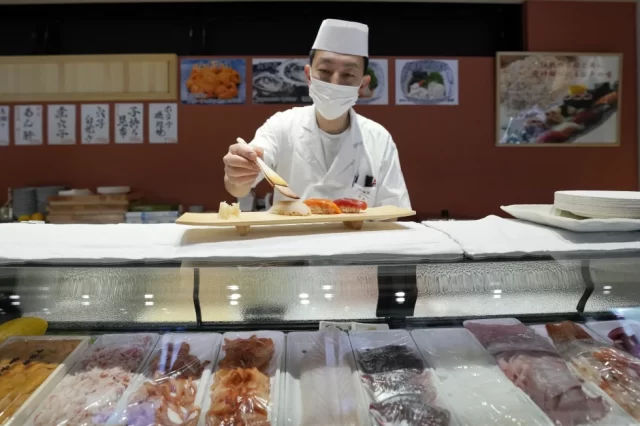
My AP Story Feb. 15, 2024 about Japan, now the world’s fourth largest economy.
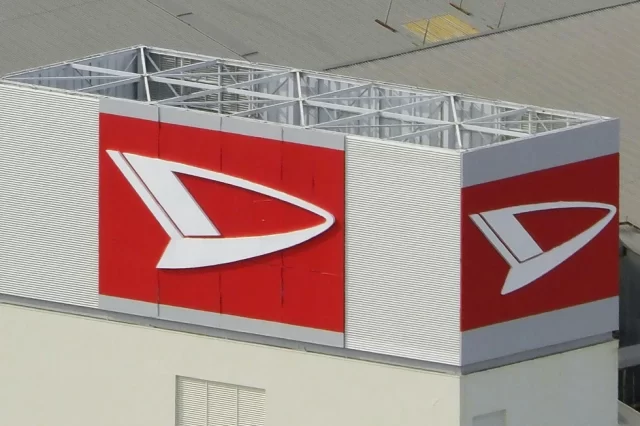
My AP Story Jan. 22. 2024 on a Toyota subsidiary cheating on vehicle safety tests.
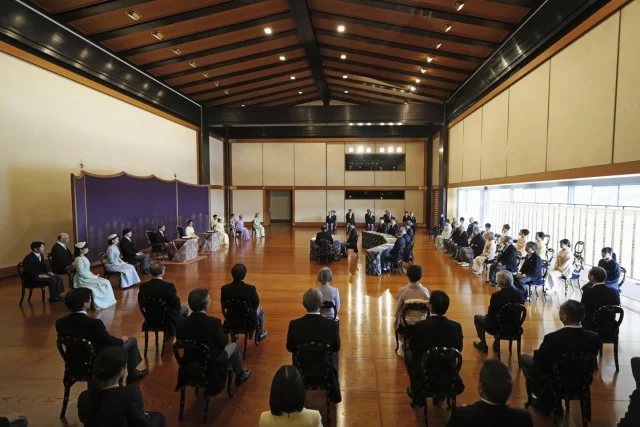
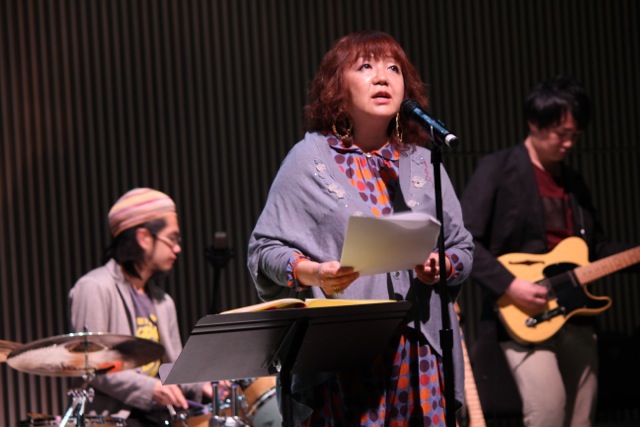
My AP Story Jan. 19, 2024 on the poetry reading at the Imperial Palace.
My AP Story Jan. 18, 2024 on Uniqlo’s lawsuit against a rival retailer over a hit bag.
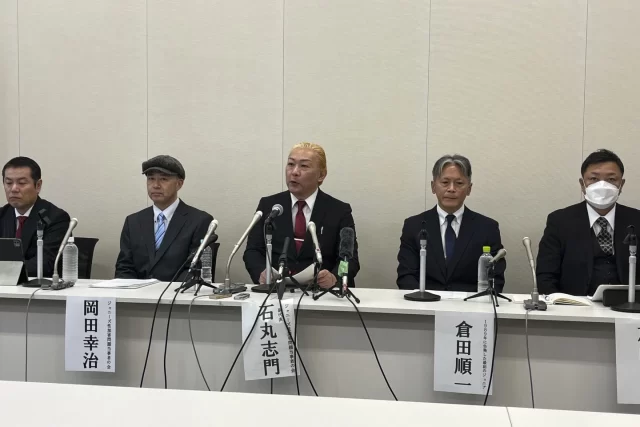
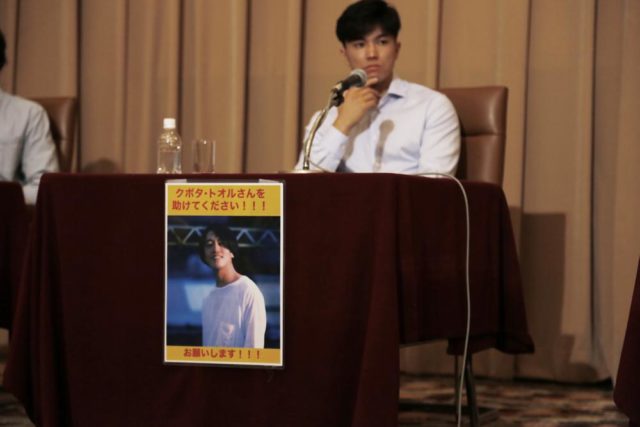
My AP Story Jan. 15, 2024 and My AP Photos of the men alleging sexual abuse by Johnny Kitagawa expressing dissatisfaction at the company response.
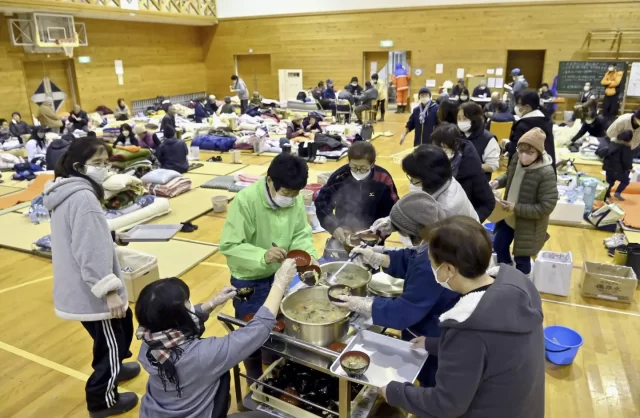
My AP Story Jan. 10, 2024, updated Jan. 11, 2024, on how people are dying after getting rescued from quake damage.
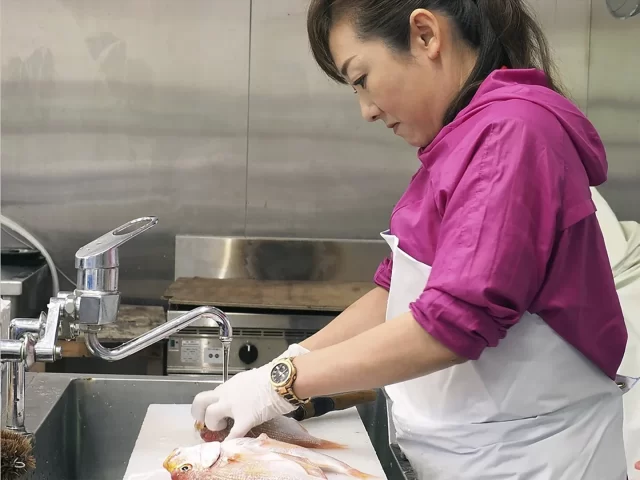
My AP Story Jan. 9, 2024 on a woman who runs a fish store telling us how determined she is to rebuild Wajima. The neighborhood cat below:

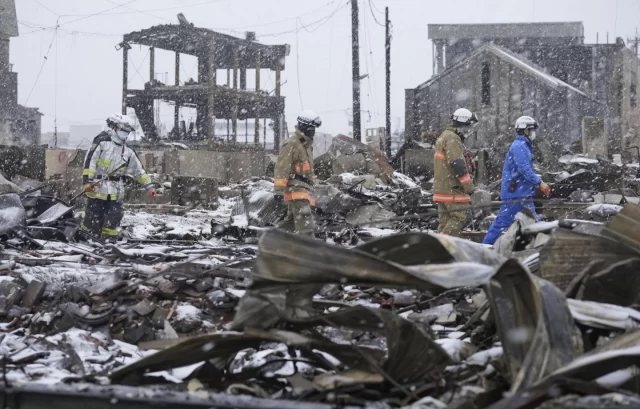
My AP Story Jan. 8, 2024 about the thousands of people who have lost their homes.
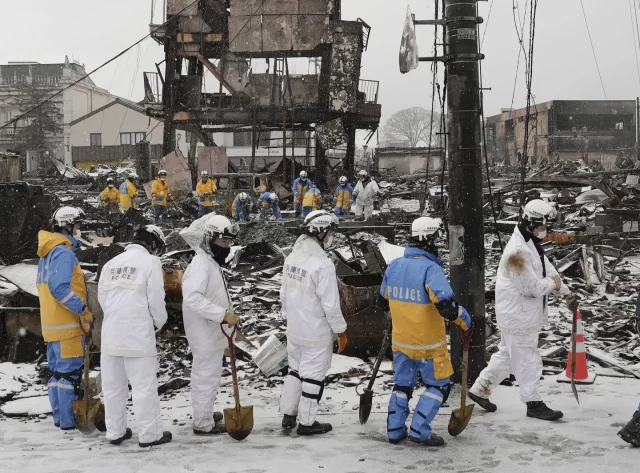
My AP Story Jan. 7, 2024 on the rescue operations in the snow.
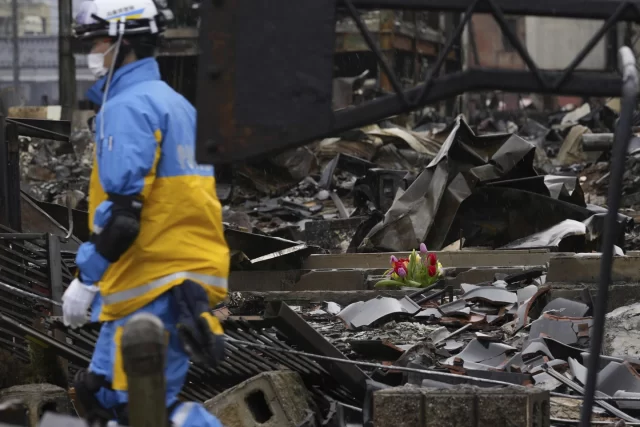
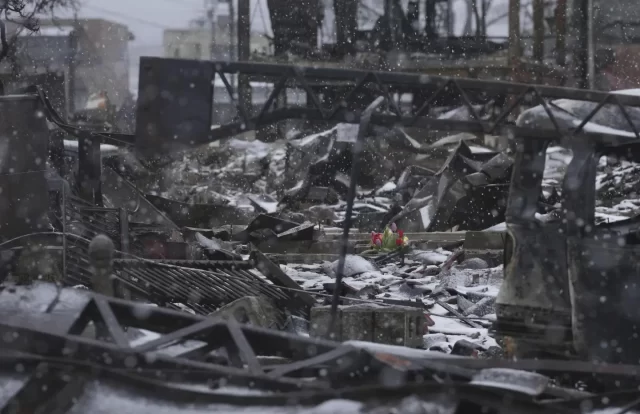
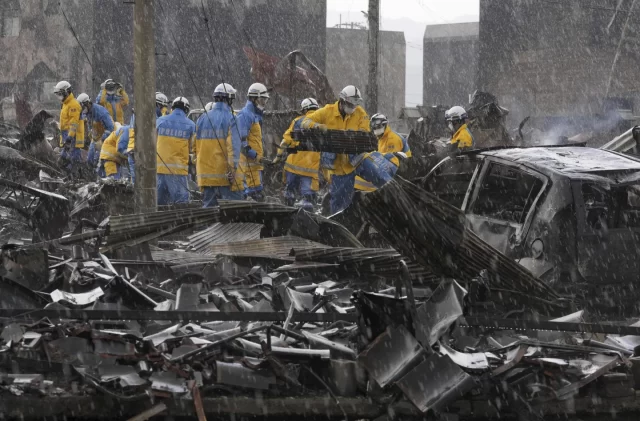
My AP Story Jan. 6, 2024 on a miracle rescue.
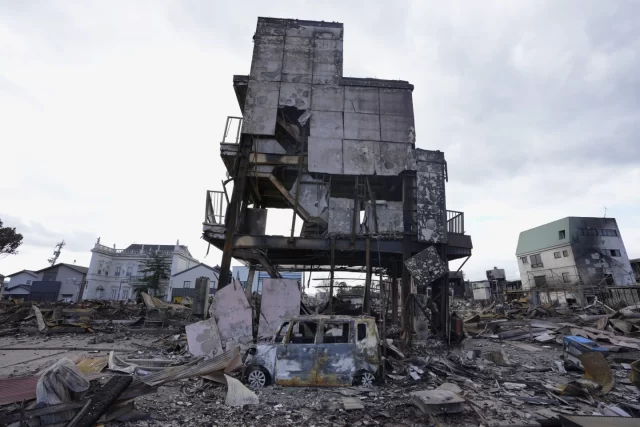
My AP Story Jan. 5, 2024 on survivors being found beneath rubble.
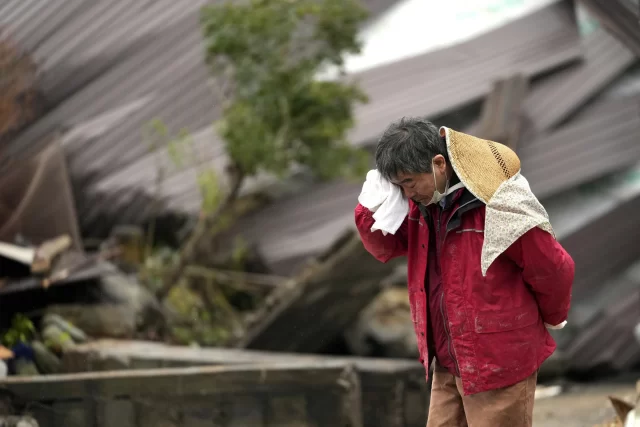
My AP Story Jan. 4, 2024 on the losses people are enduring.
Click on the link below for heartbreaking video of the man in the photo above seeing the body of his wife.
https://apnews.com/64165a70a05c4d628681647d99acd202
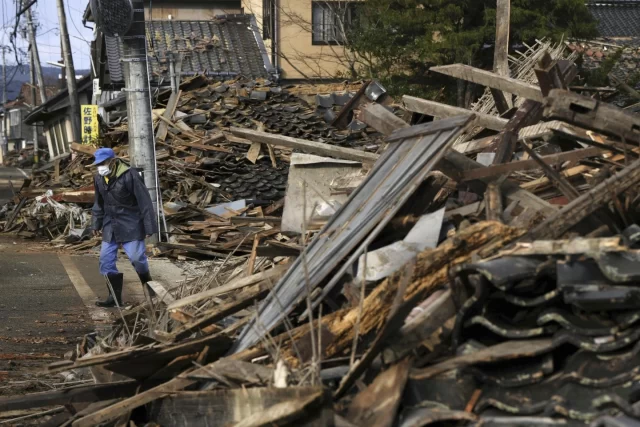
My AP Story Jan. 4, 2024 on rescue efforts after the quakes in Ishikawa Prefecture.

The version that appeared Jan. 3, 2024 in The Stars and Stripes, without the updates that continued into the following day.
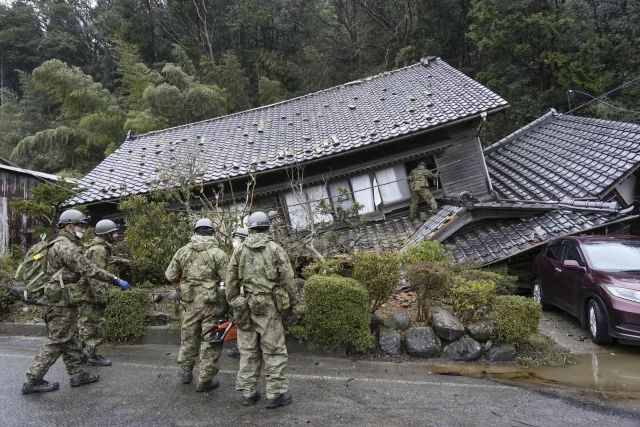
My AP Story Jan. 2, 2024 on the death toll from the quakes in Ishikawa climbing.
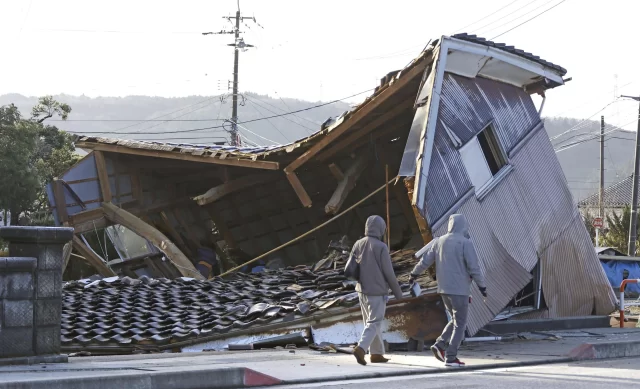
My AP Story Jan. 1, 2024 when the major quake and tsunami hit.

I’m a Contributor to this AP Story Jan. 1, 2024 that’s a global New Year’s roundup.