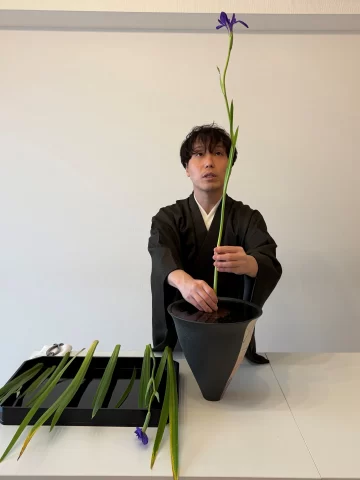
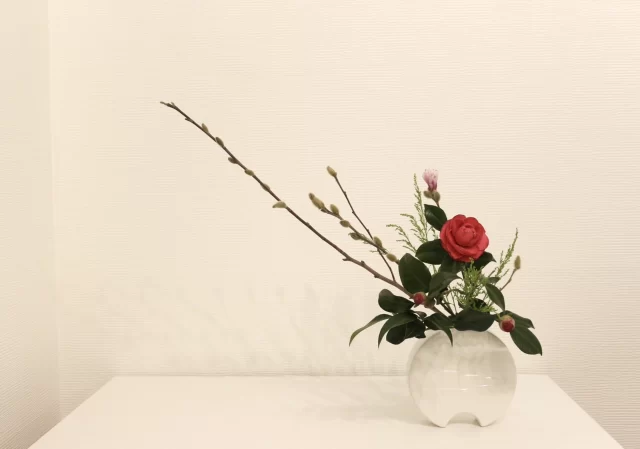
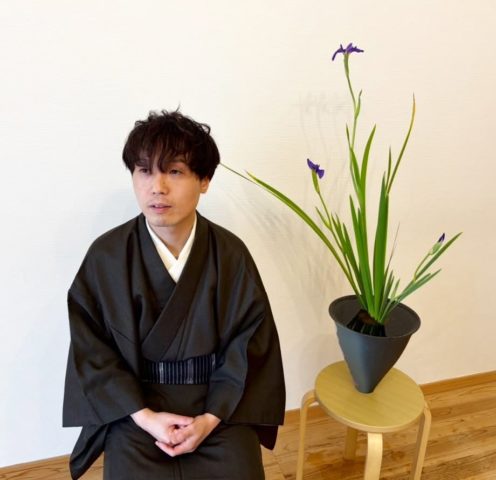
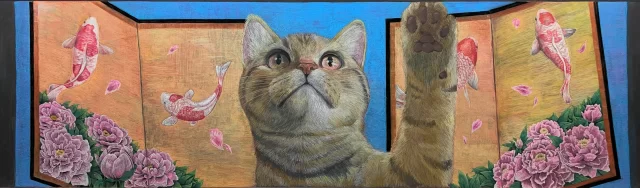
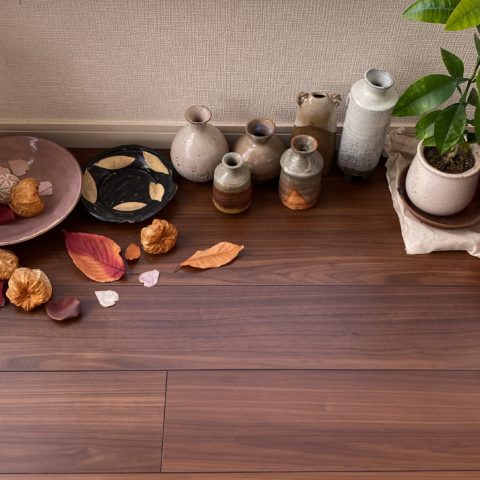
My AP Story and My AP Photo Sept. 22, 2026 about ikebana. The photo editor chose two of my own arrangements to relay with the story. The caption doesn’t say that although the editor did ask, and I said they are mine.
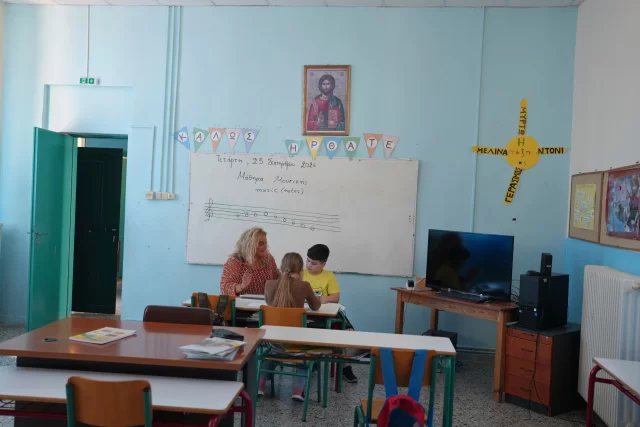
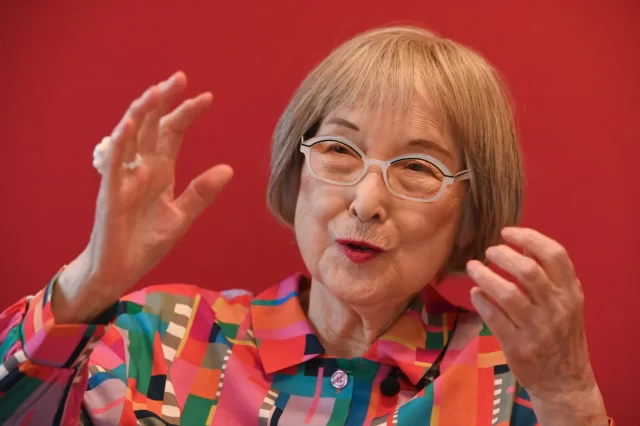
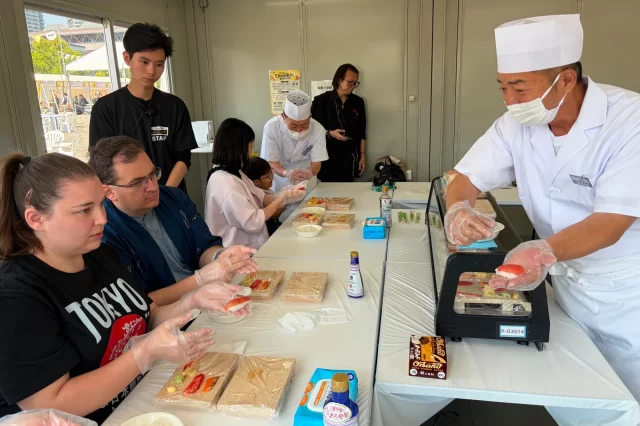
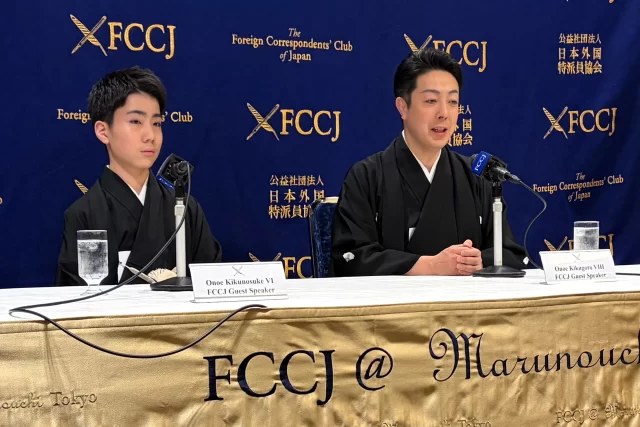
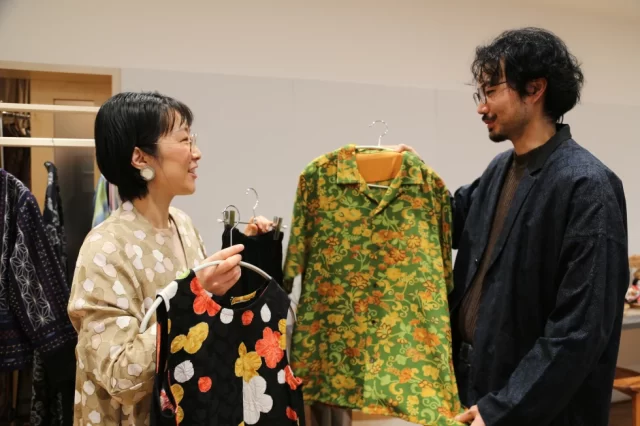
This Photo did not move with My AP Story about ikebana, but this is how the teacher looks in everyday life so sharing.
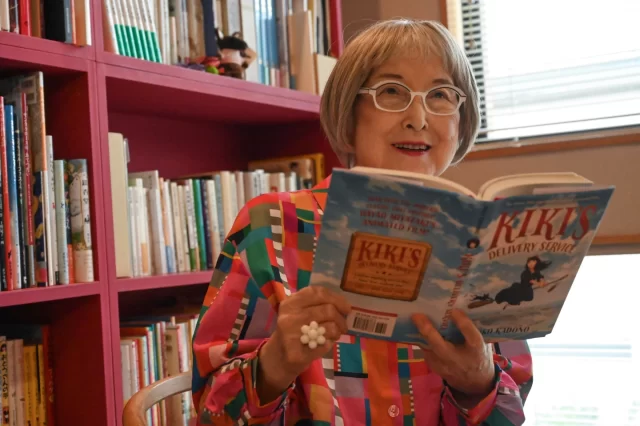
My AP Story July 1, 2026 in which I interview Eiko Kadono, the author of “Kiki’s Delivery Service.”
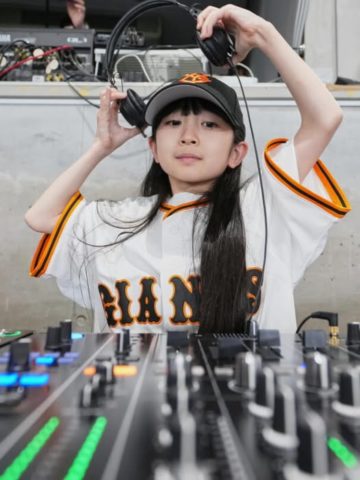
Korochan and Jiji. Reminders my AP Stories go all over the place with one being the toy a 9-year-old always has at her DJ gigs (story below) and the other that cat companion of Kiki the witch, a character created by a 91-year-old writer (story above).
Always an honor, even if you just did your very small part, to be part of the Best of AP Honorable Mention awarded in February 2026, for this AP Story about an explosion at U.S. Steel.
My AP Story Jan. 2, 2026 about the emperor and his family greeting well-wishers at the palace for New Year’s.
AP Photo by Fatima Shbair.
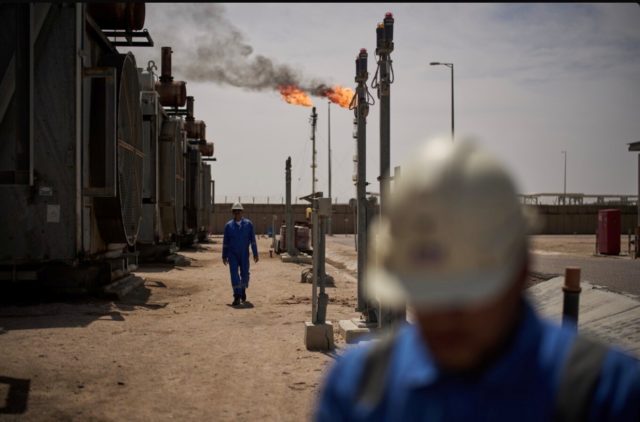
I usually start the New Year by covering a countdown event for our roundup story. I send a bunch of material but, by the end of the global day, it becomes one line, if even that. It’s a great way to start out the new year as a reporter, a humbling but comforting reminder that we just do our jobs. I am a Contributor to this AP Story Jan. 1, 2026.
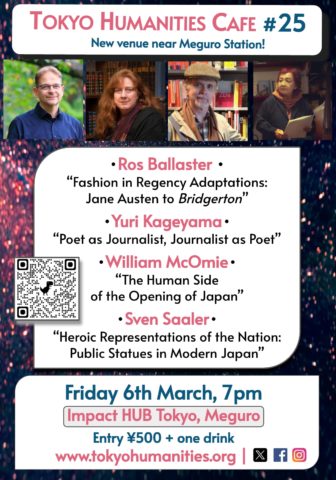
I’m talking about my work, both my journalism _ and my poetry _ at this event in Tokyo. I initially wrote, “Rarely have the two sides of my writing met, but they will at Tokyo Humanities Cafe FRI March 6, 2026.” But, on second thought, they have always been one and the same.
I had the opportunity to chat with Tokyo Gov. Yuriko Koike recently. She wasn’t overbearing at all and laughed when I said, let’s do some girls talk here. Ten years into leading a city with a $1 trillion economy, she says she plans to keep going for the next term. She’s already promoted tourism, startups, greenery and sustainable energy. And last year, Tokyo reversed Japan’s decade-long declining birth rate, actually growing by 0.3%, tiny but a dramatic blip coming after a giant dropping swerve.
“I have always put children first in my policy,” Koike said.
And the programs the Tokyo government offers to encourage people to have children are impressive. Some people are moving into the city just to get the benefits: 60,000 yen ($375) for pregnancy, and another 60,000 for a 1-year-old or 2-year-old child; separately 180,000 yen ($1,125) for each birth. Medical care for children and youngsters is basically free. A teen pays 200 yen ($1.25) for each doctor’s visit. Tokyo offers up to 100,000 yen ($625) to help with medical treatment for reducing the physical pain of childbirth. Koike says people genuinely fear that pain. Affordable housing and free nursery care are also offered for those in need.
Analysts say it’s too early to tell if the reversal in childbirths will really stick or fade. It will take years to decide for sure. But, for one, Tokyo boasts an abundant fiscal base. Americans who hear about Koike’s policies literally gasp in surprise and envy.
Charles McClean, assistant professor of political science at Yale University, who studies Japan, says childbirth is “a hard metric” and nobody has really figured out “the magic” to reverse that, but stresses Koike has done a good job of spreading the word about her policies and programs meant to support children.
“I think population is the foundation of a society. If the population declines, social services will also decline, down to bus services. There won’t be any taxpayers either. Even if you go to a hospital, there won’t be any doctors or nurses, just beds,” Koike told me.
The great cities of the world may build roads, skyscrapers and other infrastructure. But all that will be nothing without people.
“People move society. That is the basic of the basics,” she said.
The ambulances are screaming. We look up and see a big tear in a steel fame right by our apartment building. We wonder but figure it’s not a murder because we don’t read about it, and there aren’t that many murders in Tokyo. Every time we see the broken frame, we wonder who it could have been. And what might have driven this individual, whom we don’t know and never will know, male or female, young or old, happy or unhappy, probably unhappy, literally over the ledge to a dark deep definitive leap of death. It does not make us feel very good. Every time we see that broken frame. A few weeks later, the frame gets fixed. And we stop wondering.
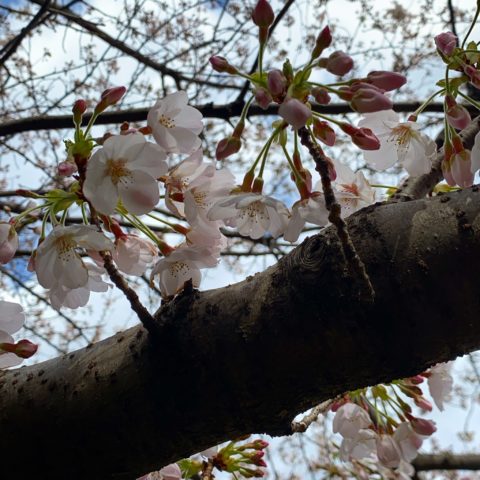
The world suddenly looks like a splendid and hopeful place when sakura starts to bloom, right about this time in Tokyo. It happens without fail every year. But it’s so dazzling it feels unexpected. This morning, an old man was gazing up at a tree, probably the first cherry blossom tree he saw on his walk. His eyes, behind the glasses, I knew had seen so much, and was seeing all of that, again, in the flowers.
A journal of my poetry, music and other thoughts that I kept from April through May 2020 about living in a post-pandemic world has now been published in the special issue of Ishmael Reed’s KONCH online literary magazine. And what great company I am in.