The River _ a poem in the spirit of Hart Crane _ by Yuri Kageyama

THE RIVER
_ a poem in the spirit of Hart Crane _ by Yuri Kageyama
 

The River

THE RIVER
_ a poem in the spirit of Hart Crane _ by Yuri Kageyama

Katsushika Hokusai’s hawks
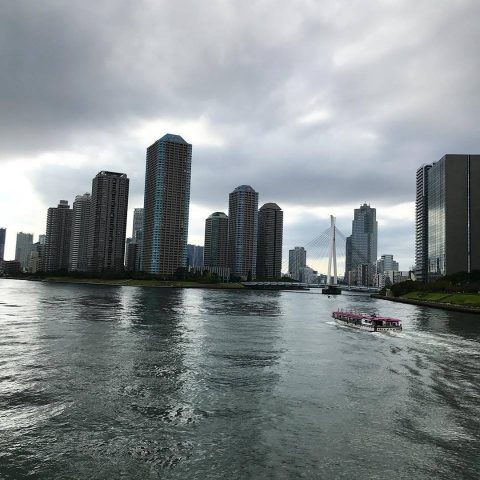
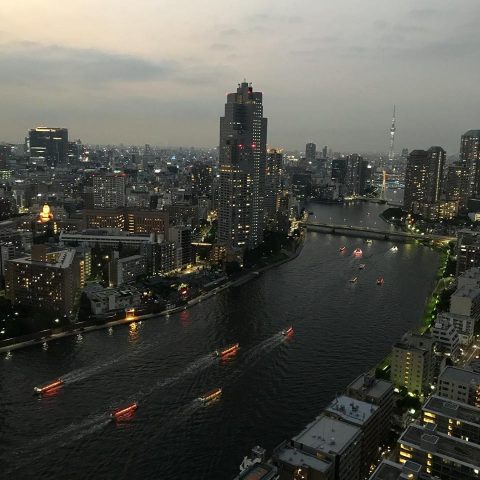
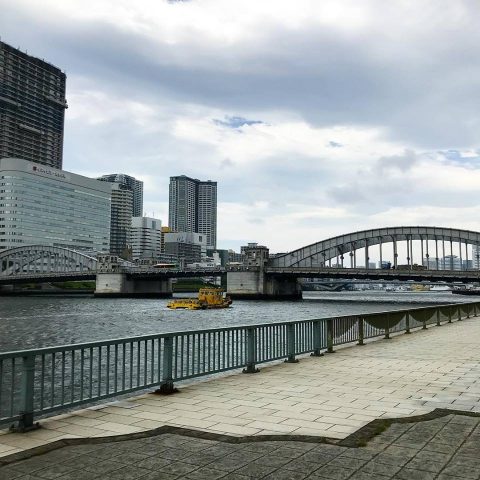
Still eye this Sumida River
Crying their fue whistles
Echoing music on scuttling boats,
Carrying workers, travelers, modern-day geisha _
Some rickety, faded lanterns dangling,
Other ships are futuristic tubes of glass;
The torrents are dark with the wind,
Torn dreams of star-crossed lovers
Jumping tied by cloth as one
From the Kachidoki Bridge
No longer a draw-bridge, separating at the center,
The winding waves glisten in tips of white
Like the wings of seagulls that flutter
Only during the fall and winter seasons,
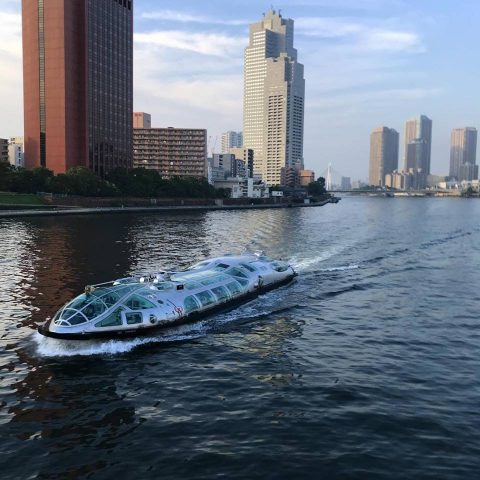
The River

In the rain, darting sideways sumi strokes,
Tiny people scamper across the landscape
The O-Edo “salarymen” and the “office lady” O-Ls
Faceless, hustling proletarian lives
Clasping sheer convenience-store umbrellas
Not the woven straw hats of the past
Tokyo Tower to the left
Sky Tree to the right
Stirring distant eternal visions,
Swimming in the Seine,
Sumida’s Sister River,
And Van Gogh’s deranged mind,
Sashaying to the ocean and the connecting skies,
Where the sun sets again,
Bleeding purple among wispy twisted clouds;
And the River churns,
Remembering glory,
Knowing sin
Through an anonymous city of lights
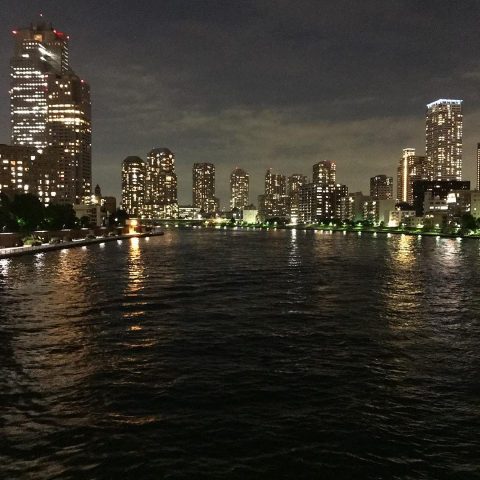
The River

(II)
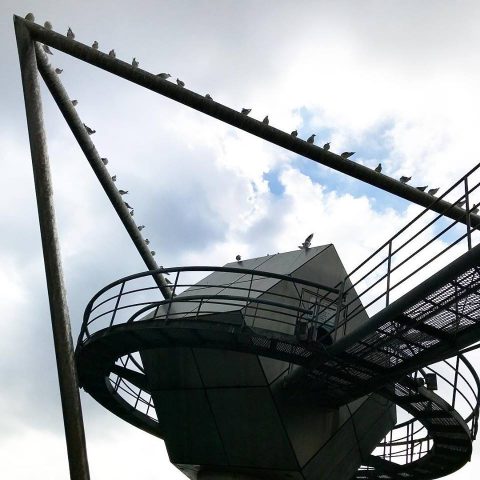
The BIRDS

Kabuki’s answer to the Pelican
The Flamingo, the Albatross,
The Heron swoops through the sky
Perches so perfectly on a pine _
Princess in mirrored waters;

The humble fish-gulping Cormorant
Dives in muddy waters,
Spreads battered wings to dry,
In flight, freed from slavery _
Transforms, a gliding Black Swan;

The Sparrow plays, chirping staccatos,
Small furs of speckled brownness,
They play, always searching
Like a lost forlorn child _
Unchanged from Issa’s poems.

(III)
SIGNS OF LIFE _ A Poem and Not a List
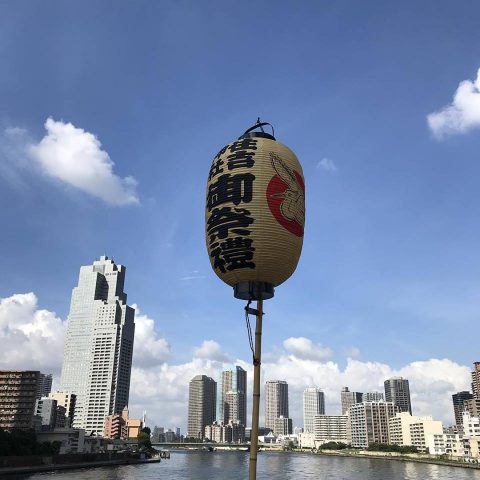
lantern

Azure-winged Magpie
Bobbling Lanterns
Giggling Motorboats
Baby Crabs, some are still
Worms on the pavement, mostly still
Fish are jumping, really
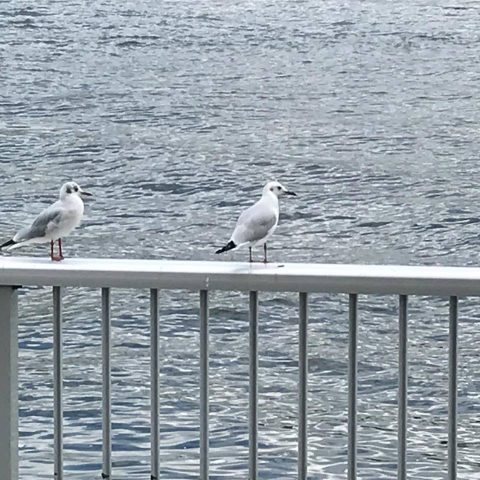
But Seagulls mew like Cats
And Monkeys slide on Dagwood Trees;
Smell of Tsukudani, dead Rodents,
Where Basho began his Journeys _
If We can feel the Words,
A List turns
Into A Poem:
Zinnia Elegans Profusion
Zinging Cicada
Couples in Yukata
Cotton Clouds
After the Storm
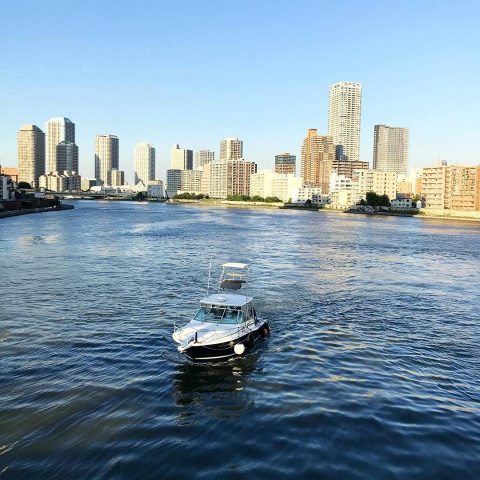
boat

(IV)
HANABI (fireworks)

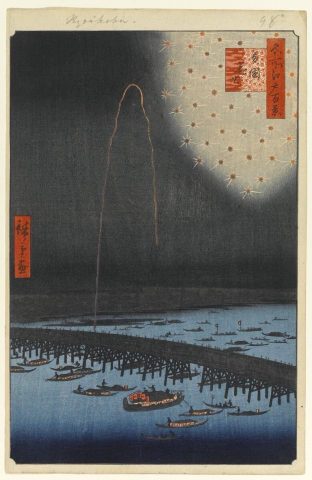
Fireworks at Ryogoku by Utagawa Hiroshige

Fireworks at Ryogoku by Utagawa Hiroshige

Hiroshige had the idea
Roses, wine glasses, mandalas
Exploding big in the hot dark
Psychedelic flowers blooming
Over milling crowds of evil
Drunken laughter
Exclamations
Aspirations of Smallness:
I whisper to my blind friend:
“It’s lovely like truth,
Like forever.”
Fragile glows bleed with neon
Hanging low only for a moment
Hiroshige had the idea
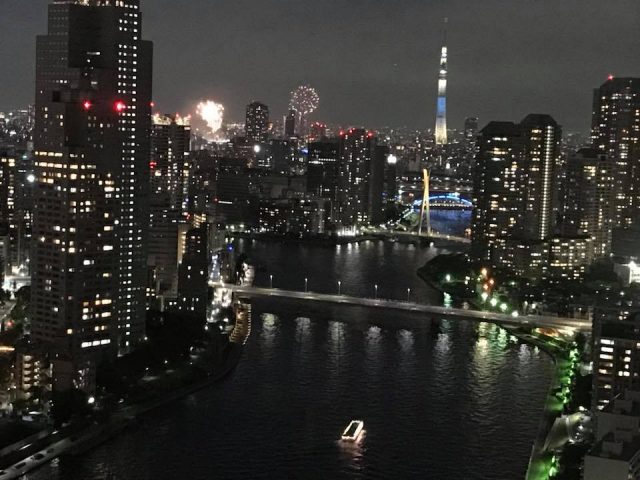
Sumida River fireworks
Sumida River fireworks

(V)
POETIC MOMENTS
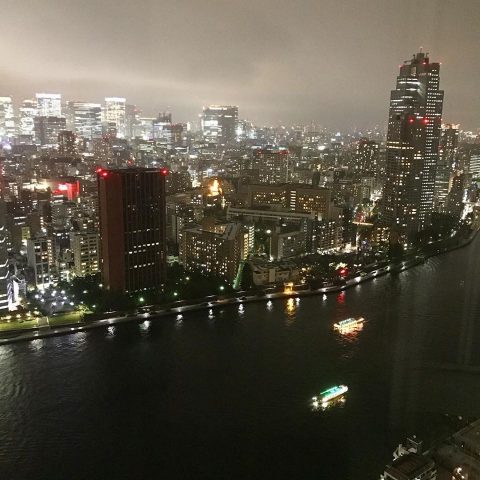
Let me create them
Poetic moments
A Ditch is a River
Poetic moments
The River is Vision
Poetic moments
Lost forever found
Poetic moments
Everywhere
Poetic moments
Nowhere
Poetic moments
Let me create them
Poetic moments
May I stay pure
So I don’t miss them.
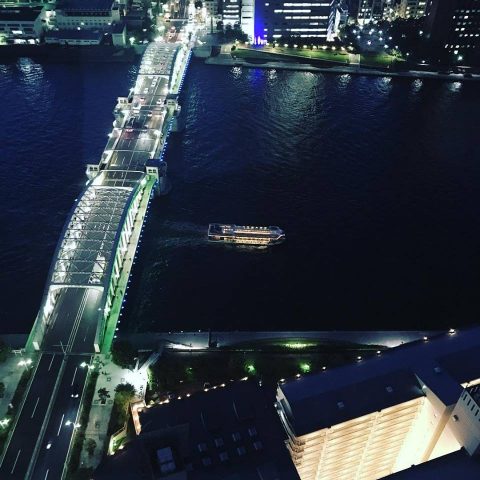
SUMIDAGAWA
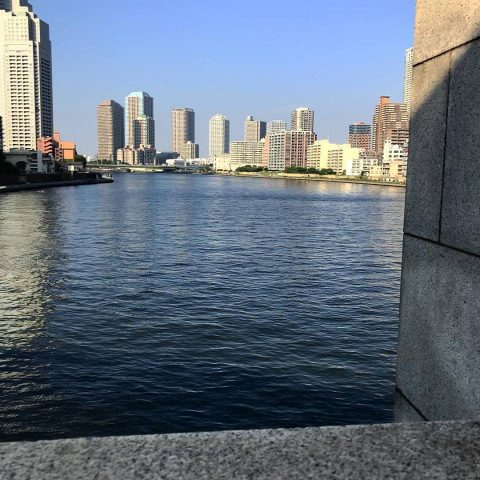
riveragain2

隅田川
どぶかかわかは
浮世ビジョン

Sumida River
Whether a ditch or river
Ukiyo Vision

FAREWELL TO TSUKIJI
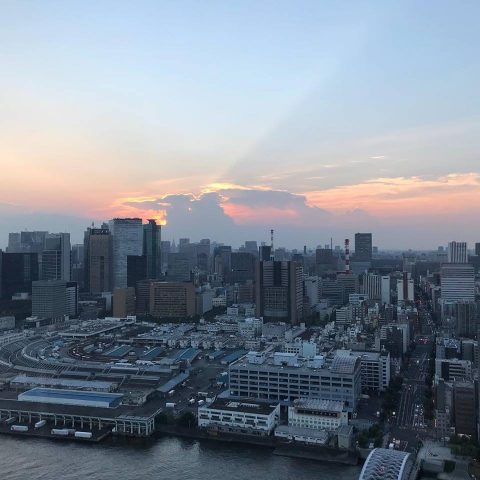
The River

their fangs shimmer
in the darkest of nights
in multitudes
like starving soldiers
they make their run
across downtown
fur upon fur
covering the cement,
nails scratching,
blocking the office lights,
monstrous mice mewing,
looking for the fish
that is suddenly gone,
as they once looked for
the Pied Piper of Hamlin,
the rats of Tsukiji
are moving,
not to Toyosu, where
the ground is poison
but into rich people’s homes
to eat their steaks, greed and children;
the rats blink
with tiny golden
unfeeling eyes,
diamonds of stench,
in time
with the stars
above
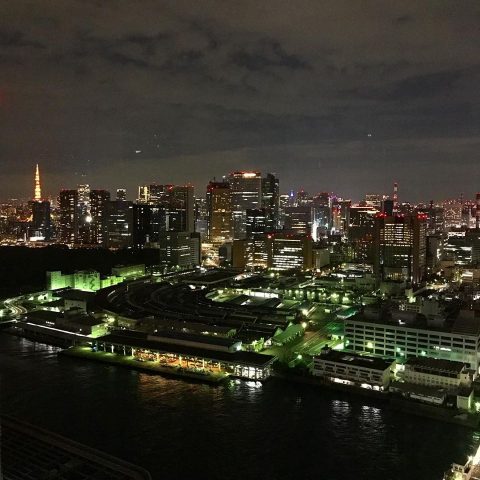
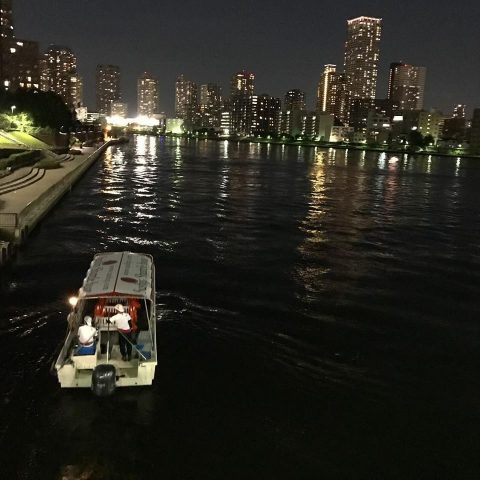
tsukiji night

THE RETURN OF THE YURIKAMOME

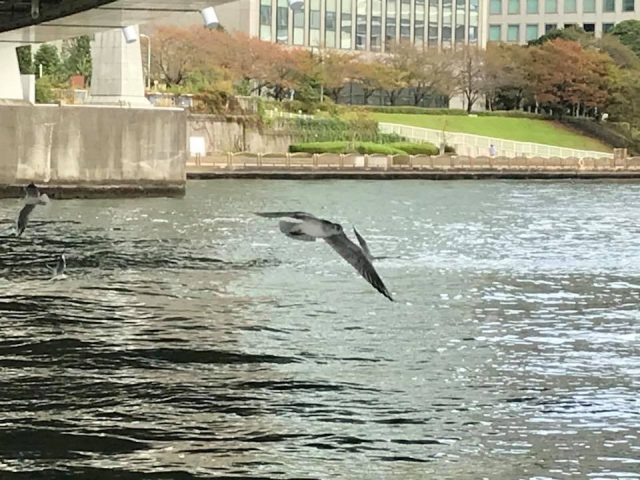
yurikamome

yurikamome

I waited all summer
For your return
Flutters of petal
Above the water
Buddha’s wafting lily pads
Your squawks swim the salty breeze
Circling, swooping, dancing,
They say birds vanish before an earthquake,
A hurricane, an apocalypse;
It matters not you don’t remember me
Your playful swoops
Silence screams of hate
Your presence is comfort
In this Atomic Age
You are back:
“I will not cry
Except in love” _
I wrote those lines
When I was very young,
And they are still true
As I die,
You are back
yurikamome

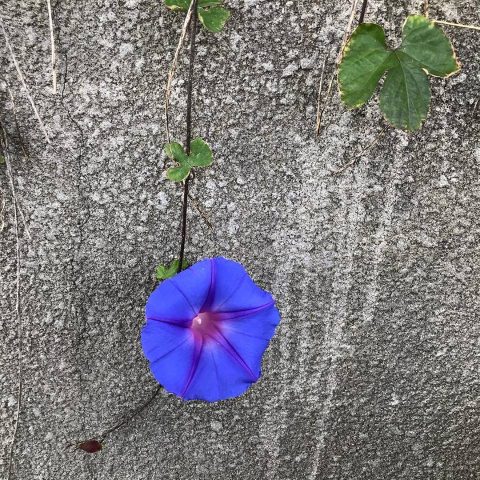
asagao

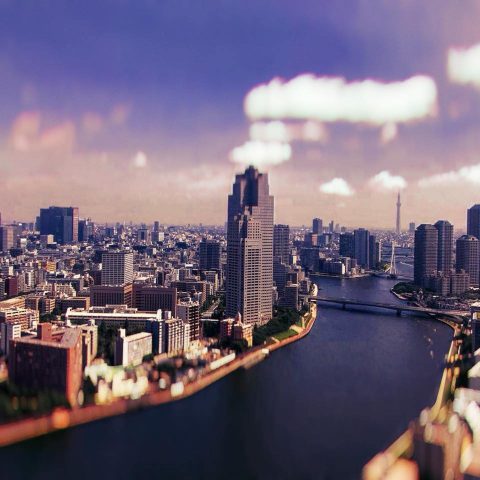
the river oct 2018

the river with boats

The River with effects by Christopher Robert

HAIKU FOR FILMMAKING by Yuri Kageyama

HAIKU FOR FILMMAKING
by Yuri Kageyama

映画ははかない
映画はすごい嘘
映画はすばらしい

Movies are lost souls
Movies are lies and how
Wondrous are movies

An Ode to the Asian Uncle Tom _ A Yuricane Poem (or does power always turn evil?) by Yuri Kageyama

AN ODE TO THE ASIAN UNCLE TOM _ a poem By Yuri Kageyama

NOW PUBLISHED IN THE SUMMER 2018 ISSUE OF KONCH edited and published by Ishmael Reed and Tennessee Reed.

An ode to the Asian Uncle Tom
A Yuricane poem (or does power always turn evil?)
by Yuri Kageyama

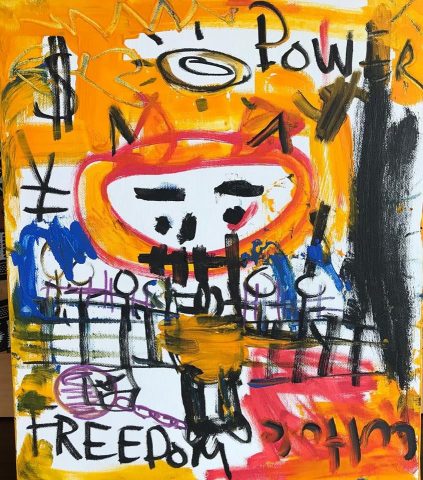
a painting collaboration by Munenori Tamagawa and Radio the Artist as Yuri Kageyama reads this poem written by Yuri Kageyama at What The Dickens in Tokyo Feb 4, 2018.

You sit prim with your glasses
Behind that desk, title, resume
Won on the backs of
The 442 Purple Hearts
Oblivious in your banal Banana-ism
To the fact that
Yellow is your Color
The most expedient, forgotten,
Cheapest of lives
Hiroshima
My Lai
North Korea
You sip white wine at ethnic restaurants
New York, Tokyo, Dubai, Bangkok
They all look alike
Smiling in Instagram posts
You have it made
You have them duped
You have arrived
Never mind, in your deepest fearful solitary moments,
You can’t help but pick out
Just those
Who look like you:
Race suddenly a Reality;
You must put them down,
And make sure they stay down,
Remain the invisible man, the invisible woman,
Establish as Fact through rumors and appraisals
That People of Color
Can’t be objective, and, be careful,
Get easily used,
You can do the math _ as the stereotype goes _
The slots are limited,
Tokenism being a zero sum game,
Diversity cannot be the majority;
You’ve long lost your ancestral accent
You’ve adopted the air of leaders
You’ve deleted memories
Of how we were all shackled,
We picked strawberries,
We built the Transcontinental Railroad,
We survived behind barbed wires,
Instead
You go to meetings,
Rehearse video appearances,
Take vacations to the Caribbean and Bali,
Sneer at Chinese going shopping,
Plan your retirement,
Asian American
Only to whites

Artwork by Munenori Tamagawa

OUR COLLABORATION AT M SPACE IN TOKYO

Our collaboration at Space M in Tokyo May 22, 2018.
The visual artists live painting: Munenori Tamagawa and Radio the Artist.
Hirokazu “Jackson” Suyama on Handpan
My Poetry read with rattles by yours truly “Mythical Monster” and “Hip Hop Fukushima,” both excerpts from my theater piece NEWS FROM FUKUSHIMA: MEDITATION ON AN UNDER-REPORTED CATASTROPHE BY A POET, which debuted at La Mama in New York in 2015, where Hiro also played the drum set and percussion. It was also performed last year in San Francisco Z Space.
Thanks to Kenji Taguchi for the video and for having our poetry at this fabulous showcasing of important visual artists.

MYTHICAL MONSTER
by Yuri Kageyama

The Catfish sleeps
Buried in the mud
Of meltdown metal
A black-light coastline
Fifty reactors
Tomari to Genkai

The Catfish moves
And the Earth rumbles
Sways its tail
And skyscrapers crumble
Swishes a whisker
Bridges, roads shatter

The Catfish grows
Bigger and bigger
Eight snake faces
Eight dragon tails
Volcanic eruption
Yamata no Orochi

The Monster lives
Our daughters and sons
Every year, a sacrifice
Hundred eight brave samurai
They’re all dead,
Trying to kill it

HIP HOP FUKUSHIMA
by Yuri Kageyama

Y’all, it’s a Meltdown nation
Since Three-Eleven
Covered in the fear
Of unseen radiation
But don’t you expect
Any revolution
All you will find
Is fear and contamination.

Here in Fukushima
It rhymes with Hiroshima
Instead of a holler
Hear just a whimper
They say it is safe
The kids like Chernobyl
Are coming down sick
With Thyroid cancer.

Fukushima
Fukushima
Fukushima

Y’all, it’s no hallucination
The refugees’ life
No compensation
No resolution
Just nuclear explosions
Get your dosimeter
Cesium in the water
Lost Imagination

Here in Fukushima
It rhymes with Hiroshima
The radiated Brothers
Faces are hidden
Goggles and masks
Like an astronaut
From head to toe
The Invisible workers

Fukushima
Fukushima
Fukushima

Premature aging
Nerve cells dying
Sterility, deformity
Unborn baby
Blood count dissipation
Leukemia debilitation
DNA radiation
Godzilla’s affliction

Tsunami Demolition
God’s DeCreation
Genetic Devastation
Our next Generation.
Here in Fukushima
It rhymes with Hiroshima
No-go zones forever
The World must remember.

Fukushima
Fukushima
Fukushima

ode to the stroller – a poem by Yuri Kageyama

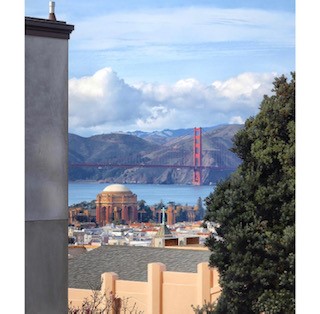
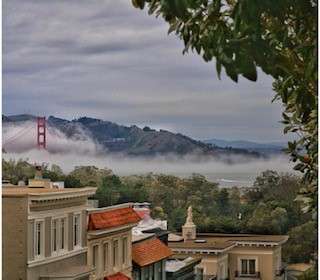
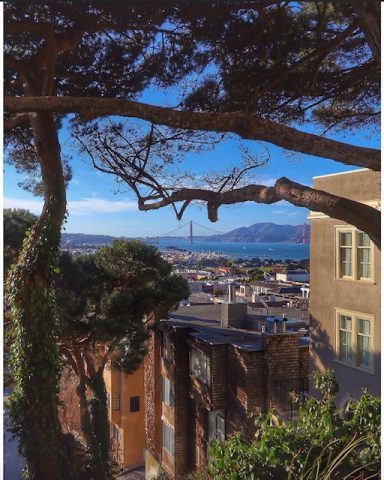
Photos of San Francisco by Annette Borromeo Dorfman

MY POEM “ode to the Stroller” got published in TOKYO POETRY JOURNAL Vol. 5, dedicated to the Beat Poets January 2018.
THE BOOK PARTY AT OL TOKYO
37-10 Udagawa-cho
Shibuya, Tokyo
7 p.m. SAT Jan. 27, 2018.

ode to the stroller
a poem by Yuri Kageyama

we zip weightless like silent angels
up and down San Francisco hills
running on the mother of all energy
greener than solar
rolling rolling rolling
with laughter
cream acid rock ‘n’ rolling
lightning dazzling wheels
gara-gara-gara-gara
teethers jangling dangling dancing
going mad on strangle-free rubbery ribbons
up and down the Avenues
J-town, Clement Street
Golden Gate Park
Museum of Modern Art
we are singing:
“Ouma no oyako wa nakayoshi koyoshi
itsudemo issho ni pokkuri pokkuri aruku”

perfume wind in our hair
springing over potholes
not even stopping just for breast feeds
connected as one through this magical machine
me pushing
you riding
the Lamborghini of strollers
the Gundam of strollers
the little train that could of strollers
up up up into the joyous clouds
zooming wheeeeee
down slurping slopes
around swervacious curves
we are one
yes, we are one
tied in the past with our
umbilical cord
and
even in death
in our dreams

Link to readings and more of “ode to the stroller”

Photo by John Matthews

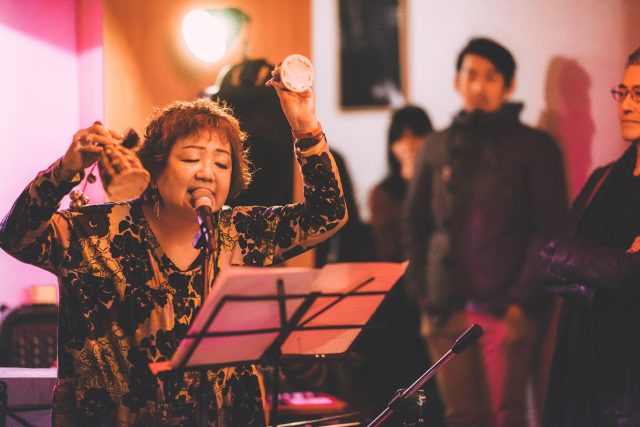
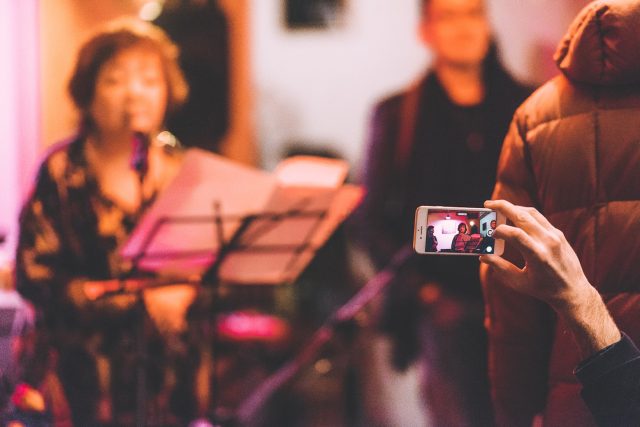
Photos of the reading by John Matthews

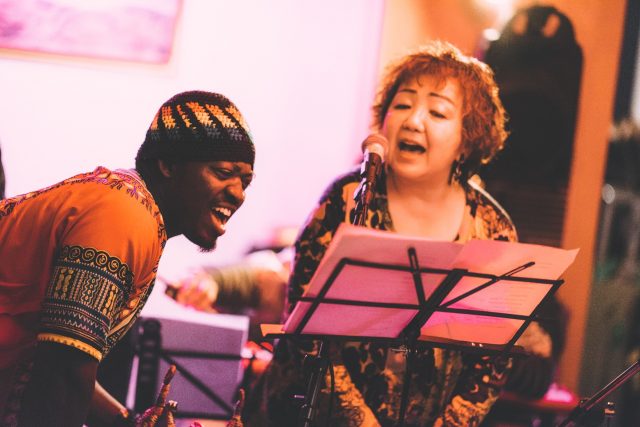
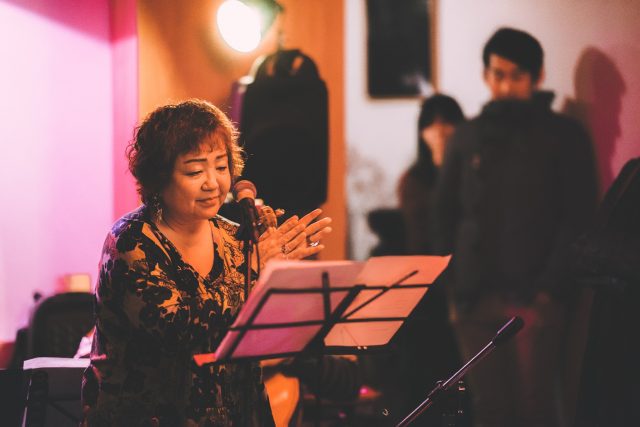
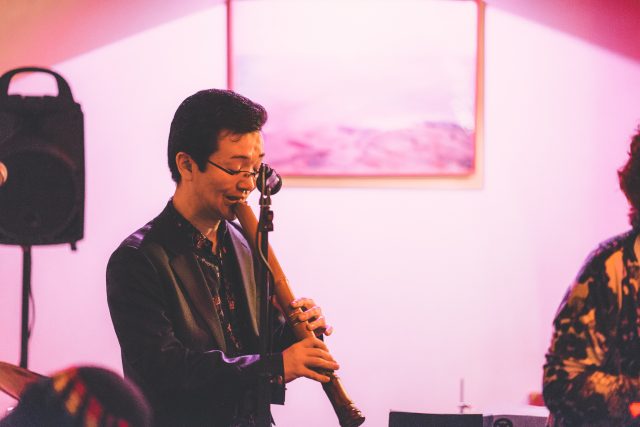
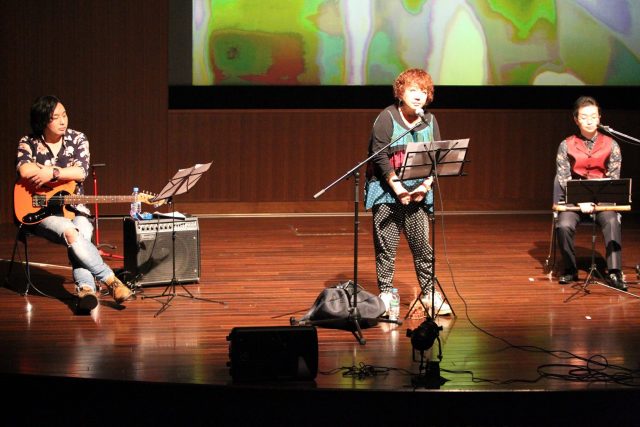
I read this poem with my YURICANE spoken-word band: Winchester Nii Tete (percussion), Kouzan Kikuchi (shakuhachi) and Hirokazu Natsuaki (cello), crossing borders so sounds, genres, cultures, people come together in a performance with no score but all soul.

th-5369141987-1556x1039

Motherhood poems are usually square or oppressive and so many women don’t like to write about motherhood. I chose pushing the stroller as a metaphor to depict motherhood in all its proper liberated glory. This happens to be in San Francisco because that is where I had my son and I pushed him around on strollers a lot. But it can be about any mom anywhere. The point of this poem is that it is location-specific and so it takes you on a journey, not only where the stroller went but also in our minds and our path of life like a movie.
We dedicate our performance to all mothers, including Mother Earth herself, and, of course, all the children.

20180127_ToPoJoWebRes__DSC5217


ode to the stroller
a poem by Yuri Kageyama

we zip weightless like silent angels
up and down San Francisco hills
running on the mother of all energy
greener than solar
rolling rolling rolling
with laughter
cream acid rock ‘n’ rolling
lightning dazzling wheels
gara-gara-gara-gara
teethers jangling dangling dancing
going mad on strangle-free rubbery ribbons
up and down the Avenues
J-town, Clement Street
Golden Gate Park
Museum of Modern Art
we are singing:
“Ouma no oyako wa nakayoshi koyoshi
itsudemo issho ni pokkuri pokkuri aruku”
perfume wind in our hair
springing over potholes
not even stopping just for breast feeds
connected as one through this magical machine
me pushing
you riding
the Lamborghini of strollers
the Gundam of strollers
the little train that could of strollers
up up up into the joyous clouds
zooming wheeeeee
down slurping slopes
around swervacious curves
we are one
yes, we are one
tied in the past with our
umbilical cord
and
even in death
in our dreams

th-5369144074-1556x1039

This version of my reading was recorded at Jackson’s Garage in Tokyo, with Hirokazu Suyama Jackson on drums, Yuuichiro Ishii on guitar and Hiroshi Tokieda on bass.
The poem is about young motherhood some time back, but I wrote this poem recently.
The feelings remain the same, eternal:

KENNETH REXROTH ON MY MIND

KENNETH REXROTH ON MY MIND

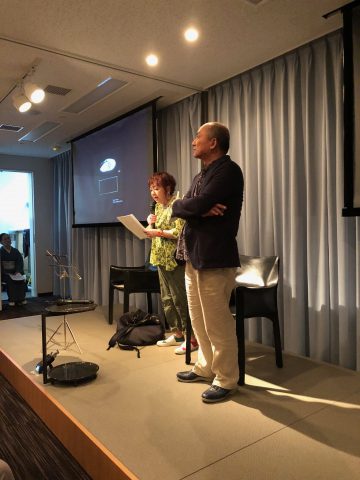
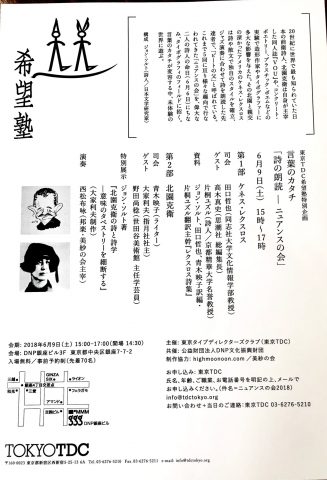
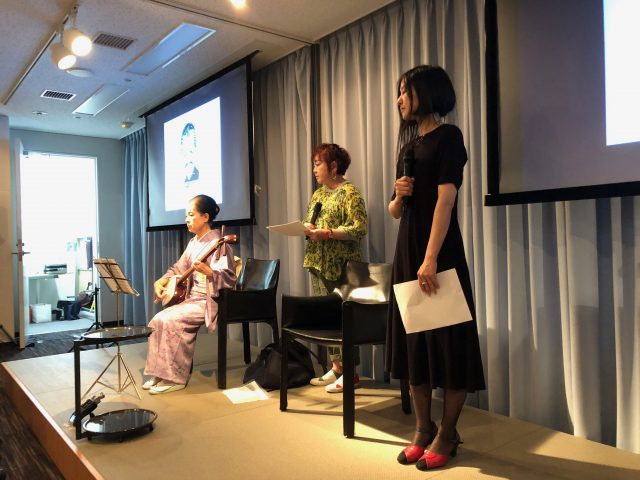
I took part in a poetry event in Tokyo’s Ginza to commemorate Kenneth Rexroth and Katsue Kitasono SAT June 9, 2018.
Avant-garde Beat Poetry Lives.
I read works from both poets, as a backdrop of slides of their visual works and portraits played, and one poem was a collaboration with shamisen.
Thanks to Professor John Solt for organizing the memorable experience and for including me.
I usually only read my own material.
And so this was quite a novel meaningful effort for me.
It was wonderful to see all the poets come out and read works by these two courageous poets who sought to explore worlds outside their limiting real borders.
I especially enjoyed a rendition of a Japanese translation of Rexroth’s writing about Kabuki.

The leaflet

Loving Younger Men _ a poem by Yuri Kageyama in collaboration with Yui Shikakura on shamisen and song

“Loving Younger Men,” a poem written by Yuri Kageyama, read by Yuri Kageyama with Yui Shikakura on shamisen and singing at Bar Gari Gari in Tokyo at a Drunk Poets See God gathering Dec. 22, 2017. Her song is traditional Japanese “kudoki,” in which a woman talks about being abandoned by her lover, a genre that is sad but also an erotic celebration.
“Loving Younger Men” was first published in BEYOND RICE, A BROADSIDE SERIES, Mango Publications and NOLO Press, 1979.
Loving Younger Men
a poem by Yuri Kageyama
Only the bodies of young men aroused her; the pure innocence in their wide dark eyes, the wild still animal strength in their muscles, the smoothness of their skin, so shiny, stretched out over their boy-like shoulders, flat stomachs, abdominals rippling gently, their thick thighs that could thrust forever into the night, their soft moist lips, where their tonges, so delicious, dwelt, which darted against, into her vagina, making her moan with joy, forgetting everything, which felt so strong against her own tongue at one moment, yet another, seemed to melt like caramel in the back of her throat, their dry fingers, that touched her in the most unexpected and expecting spots, their penises, half-covered by their black curls, seemed smaller, less developed, less threatening, yet as their shoulders strangely widened when they held her, their penises filled her, pointed against her deepest uterine insides, hurting her with a pleasurable pain, as though she could sense with her hand, their movements from outside her belly. Her father beat her as a girl. She ran from him, crying, please don’t hit me! please don’t hit me! No, rather she stood defiant, silent, silent tears drunk down her chest, till he, in anger or fear, slapped her again and again, once so hard she was swung across the room, once on her left ear so that she could not hear for three weeks. She frequented bars, searching for young men who desired her. She sat alone drinking. She preferred the pretty effeminate types _ perfectly featured, a Michelangelo creation, island faces with coral eyes, faces of unknown tribal child-princes. To escape her family, she eloped at sixteen, with an alchoholic. who tortured her every night, binding her with ropes, sticking his penis into her mouth until she choked, hitting her face into bruises, kicking her in the stomach, aborting her child, his child. The young boys’ heads, she would hold, after orgasm, rocking them in her arms. She would kiss the side of their tanned necks, breathe in the ocean scent of their hair, lick their ear lobes and inside their ears. When they fell asleep, sprawled like a puppy upon her sheets, their mouths open, she would lie awake watching, watching, watching, admiring their bodies, how so aesthetically formed, balanced, textured. What she enjoyed the most was their fondling her breasts, suckling, massaging the flesh, flicking the tongue against the nipple, biting, sucking till her nipples were red-hot for days. She could come just by this, without penetration. When she is alone, she cries. In the dark, she reaches upwards, into the air, grabbing nothing.

MY POETRY AT AOYAMA GAKUIN IN TOKYO

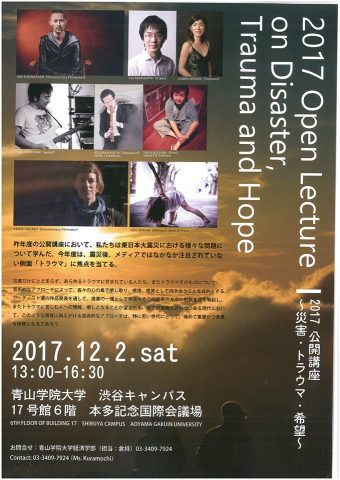
My poetry at Aoyama Gakuin University in Tokyo. With Yuuichiro Ishii guitar and Kouzan Kikuchi on shakuhachi. Film by Yoshiaki Tago. Photos by Junji Kurokawa. Thanks to Professor Marc Menish for having us. 2017 Open Lecture on Disaster, Trauma and Hope.

My poetry at Aoyama Gakuin University in Tokyo. With Yuuichiro Ishii guitar and Kouzan Kikuchi on shakuhachi. Film by Yoshiaki Tago. Photos by Junji Kurokawa. Thanks to Professor Marc Menish for having us. 2017 Open Lecture on Disaster, Trauma and Hope.

My Poetry at Aoyama Gakuin University in Tokyo. With Yuuichiro Ishii guitar and Kouzan Kikuchi on shakuhachi. Film by Yoshiaki Tago. Photos by Junji Kurokawa. Thanks to Professor Marc Menish for having us. 2017 Open Lecture on Disaster, Trauma and Hope.

We presented four poems that are excerpts from my NEWS FROM FUKUSHIMA: MEDITATION ON AN UNDER-REPORTED CATASTROPHE BY A POET:

MYTHICAL MONSTER

HIROSHIMA

HIROSHIMA

FUKUSHIMA

A MOTHER SPEAKS

the poster for the event

SHARING ONLINE A REVIEW OF MY BOOK FOUND ONLINE

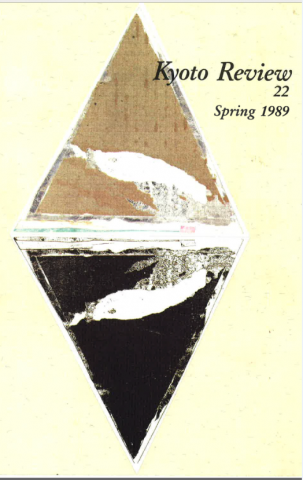
Kyoto Review cover

Kyoto Review cover

The writer Yo Nakayama has also translated my poems.
I so liked his versions I’ve read them with my poems.
Mr. Nakayama is an academic and a poet, too, and he has a flock of long hair and reading glasses maybe, and he is wise and soft and brave.
Or so I imagine, as although I maybe have met him, I can’t really remember.
I vaguely remember reading this review when I was younger, and frankly I didn’t really think much of it.
I was too busy dealing with things that went with trying to survive and being creative I did not really appreciate how this older poet was being supportive and so poignant.
And so poetic.
I am older now and do.
Nakayama died in 1997, it says online.
But his writing lives on.
Here, this person I know through Facebook, of all ways, has shared in a message this precious, kindhearted review of my work.
I am grateful, of course, and feel blessed.
But I also feel a sense of vindication about being a poet _ that we are all connected in doing the right, eternal thing by being poets.
Please read the review.
I’ve also updated my Review section on my site with this addition,
Sorry this is belated but thank you, Mr. Nakayama, truly from the poet’s heart:

Saying it her own way
a book review by Yo Nakayama in Kyoto Review, 22, Spring 1989
of “Peeling” by Yuri Kageyama, I. Reed Books, Berkeley, CA

New and important. Yuri Kageyama was born in Japan, but grew up in American culture.
Her work as contrasted with those of previous generations is very articulate and beautiful.
Should you take up this, her collection of poetry, you’ll find 32 exciting poems under five different sections.
In the first section she remembers time spent with her mother. Yuri seems to know where she is from, as here in a poem in which she describes her mother’s profile.

Her face from the side
the cheekbones distinct
is an Egyptian profile sculpture
an erotic Utamaro ukiyoe

and her mother’s lessons:

As soon as I would awake some chilly morning, she would
tell me to go smell the daphne bushes leading to our door.
I still remember their fresh fruitlike pungence

As Yuri grows older, she becomes uncomfortable with her mother and begins to hate her and her culture, which is alien to the American scene.

I dread your touch
when you return
that melts the hurt and vengeance
of wishing
to strangle you

Yuri feels almost physically hurt when she thinks of it. This is one of the characteristics your easily notice in her poetry. She is a physical writer, by which I mean that Yuri tries to write out of her own physical senses, especially when she talks about her involvement with music. In a short poem, “Music Makes Love to Me,” she confesses, “Music makes love to me everyday/ spilling cooled cucumber seeds/ wet flat disks to the tongue/ tickling/ shooting them with exalta-jaculation into my ear//” or in the section “Thought Speak,” she conveys her inner sensations as she listens to music:

music
is
the frantic flap of love doves taking dawn pre-cognizing flight
outside our window
music
is
the silence
between/your kisses

Or she describes her inner world as follows:

eyes closed
forsaken bamboo forest of the mind
hands groping
burrowing darkness like the earth
reaching out
shaking blood
muted and alone

As a young Japanese woman living in America, Yuri is constantly exposed to the situation that she has to say what she has to say: she, however, says it her own way, and I like it very much.
“A Categorical Analysis of the Asian Male or the Guide to Safe and Sane Living for the Asian Female” is a very funny piece in which she says there are four types: the Street Dude or “Lumberjack,” the Straight Dude or “Stereotype,” the Out There Dude or “Bum,” and finally the type four she calls the Ideal Dude, but this is the “Obake,” or the ghost, that is, she says “the perfect man who does not exist.” Once, Filipino writer Carlos Bulosan wrote that in America being a Filipino is a crime. And Yuri is, she says, “tired of the laundry men/ and the dirty restaurant cooks (cuz) they don’t have the powers.”

it’s okay
you see only the race in me
….
It’s okay
cuz, white man,
you have
whiteness
to give

The best part of the book is, however, that which deals with her physical intimacy with her lovers and her own baby. She could have written a categorical analysis of a male partner or the guide to safe and safe mating for a serious woman as well. Only after she has a baby of her own, she begins to realize the importance of the “Strings/Himo,” which she once wanted so badly to break out and couldn’t. Her reflection on the total life: “Having Babies Versus Having Sex” is the final poem in this book. When she sees her man rocking the baby, and looks into Isaku’s eyes and cries with him, she reaches her conclusion: this is the culmination of her womanhood.

Your eyes
Are my eyes
That see and see what I have seen
They can’t ever understand
The love of a Japanese woman
Who waits
Pale powdered hands
Eyes downcast night pools of wetness
Fifteen years for her samurai lover
And when he comes back

Nothing’s changed
Nothing’s changed

These poems could never have been written by anyone but a poetess who has gone through the labor Mother Nature imposes upon the one who creates. If not for Yuri’s sensitivity and capability, this book wouldn’t have been born.

My songwriting _ “Oh My Buddha” and “I Will Bleed”

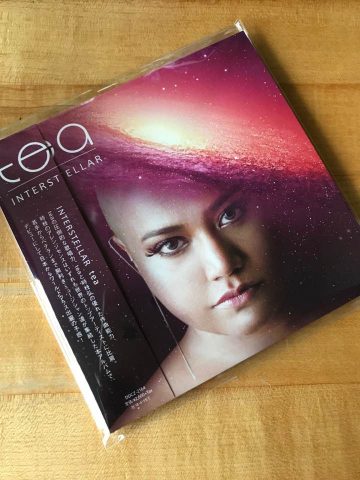
Two of my songs in this new album

my songwriting

“Oh My Buddha” and “I Will Bleed,” two songs I co-wrote with Hiroshi Tokieda and Tea, are part of this great album that just came out (October 2017).
“Oh My Buddha” (audio of an earlier reading in the link) is an Asian take on what we often say: “Oh My God,” something that Toshinori Kondo pointed out some time back as what we should be saying as Asians.
And so I imagined what it would have been like to have been married to a great man like Buddha.
It might have not been as wonderful as it might seem.
Tea and I were talking about how fun it would be to write a pop song that was inspired by an Indian theme.
And so this is what we did.
I even rap or read my poem in the recording _ woooh la la !!

OH MY BUDDHA
_ a song about faith, love and other things
By Yuri Kageyama

REPEATING THEME:
My name is Yasodhara
Wife of Buddha
Mother of Rahula
I ride a white elephant
I am Siddharta’s woman

VERSE 1
You took off to find Nirvana
Became a hero for the poor
You just took off one sunny day
And found enlightenment
While I’m stuck in the kitchen
Barefoot and pregnant, alone

(Repeat theme)

VERSE 2
You’ve started a religion
See statues in your likeness
Of gold and bronze and wood
Sitting prim on that lotus
While I’m having your babies
Feeding them, aborting them, alone

(Repeat theme)

VERSE 3
You remember I cooked you breakfast?
So you could go and contemplate
Sitting 49 days under the Bodhi tree
To discover, sacrifice, meditate?
While I’m crying in my misery
Breathing my prayers, alone

(Repeat theme)

REFRAIN
You’re a superstar
I’m a nobody
You live in history
I die unknown
When I awoke
There was no sign of you
When I awoke
There was no sign of you
My universe went up in smoke
Oh, my Buddha
Oh, my Buddha

I am planning a music video, and I have asked Toshinori “Toshichael” Tani to come up with choreography.
He will dance in the video, which I will film.

“I Will Bleed,” to me, evokes a lot of things _ abortion, miscarriage, birth, heartbeat, love, death.
Love is such a powerful force it is both horrible and awful.
My poem is about that horror, inspired by the double suicides of Chikamatsu, which highlight how the puppets, in death, are able to transcend how miserable, human and lowly they were before that moment of death.
That beauty to me is about the kind of love that crosses boundaries, overcoming racism and other small, discriminatory, confining preconceptions.
It speaks of the potential of our human condition.
I wrote the poem for Hiroshi and Tea.
But it is a poem for all lovers, and the hope love will overcome hate around the world, through the purification of our bleeding.