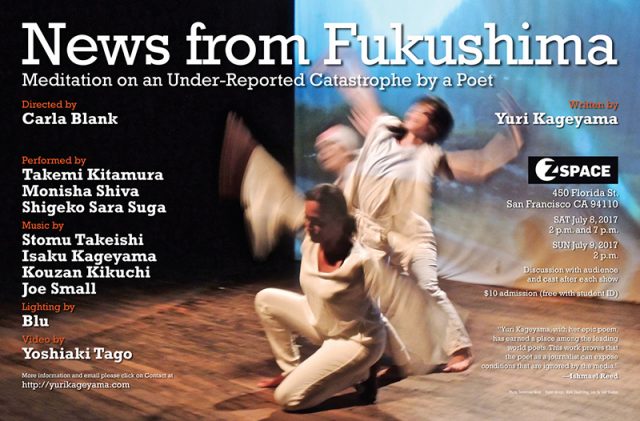
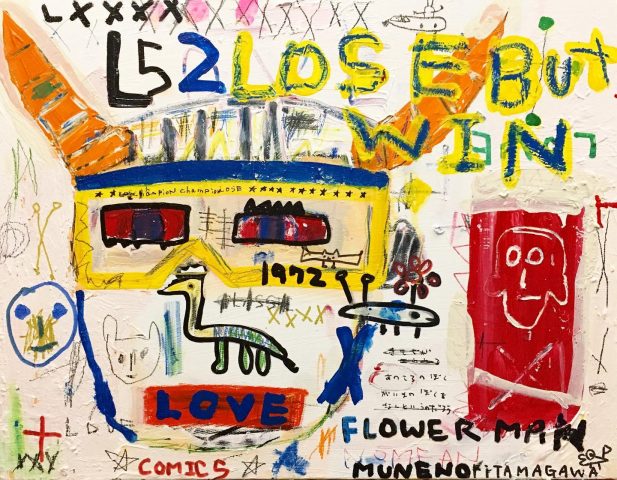
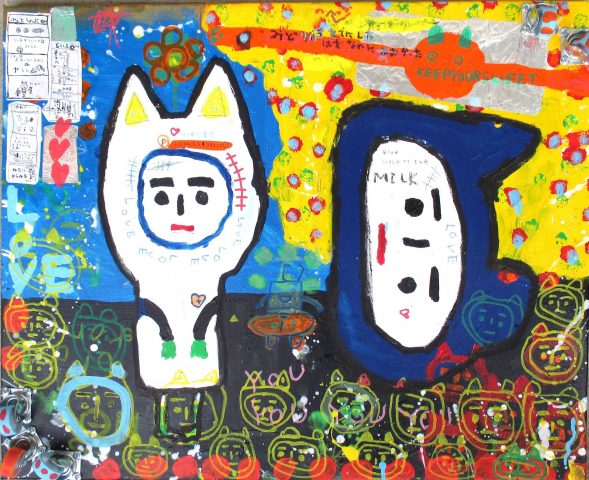
Thanks to the organizers for believing in my vision. And thanks to all the artists who put up with me and worked on the films. We are all so looking forward to taking part in the event.
Both films are screening (online as the event has moved because of the coronavirus outbreak) MON June 22 ~ SUN June 28, 2020.
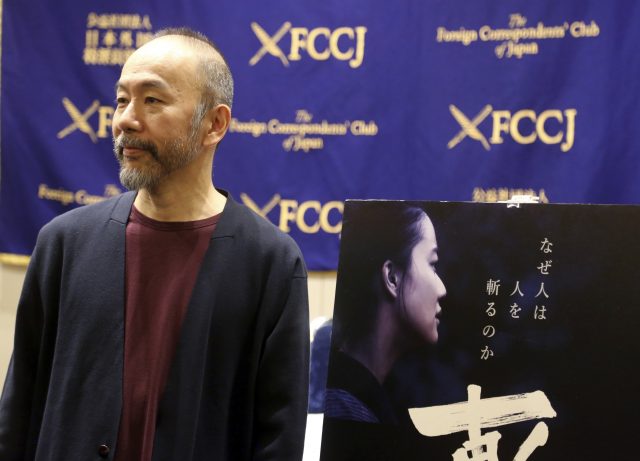
THE VERY SPECIAL DAY is showcased in the “Newcomers Short” section for Short Films, while NEWS FROM FUKUSHIMA is in the “Trendsetters” section for Feature Documentaries at the Tokyo Lift-Off Film Festival.
(Written SUN March 22, 2020 as the world fights the pandemic over the new coronavirus that causes COVID-19 and I continue to be aghast at the utter lack of integrity among the supposedly best of us, the ignorance, selfishness, ugliness. )
Some people are Poison In sheer Presence Even from afar Some people are Garbage A stench of Gibberish Even from afar Some people are Ineffectual A blob hanger-on Even from afar Some people are Broken A Godzillion pieces Never whole again Some people are Forgotten Hidden unbleedingly silent Into the flesh of scars Some people are Music Wafting healing savory sweet Even from afar
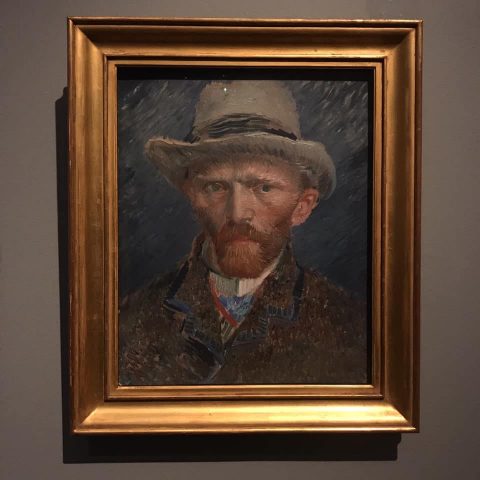
Self-Portrait by Van Gogh at the Rijks Museum in Amsterdam
Haiku in Amsterdam
By Yuri Kageyama (written in Amsterdam Sept. 2019.)
Like any city a Chinese restaurant
Glasses black hair he works hard
He is your son your first date
Your father
Your Lover for life
That Chinaman found everywhere
Our History
Our eternal plight
And he makes me fill with
Pity pride tears
While on the topic of Van Gogh in this Amsterdam reference, sharing my poem “Haiku for Van Gogh” in a reading from several years ago in San Francisco, with bass by Hiroyuki Shido.
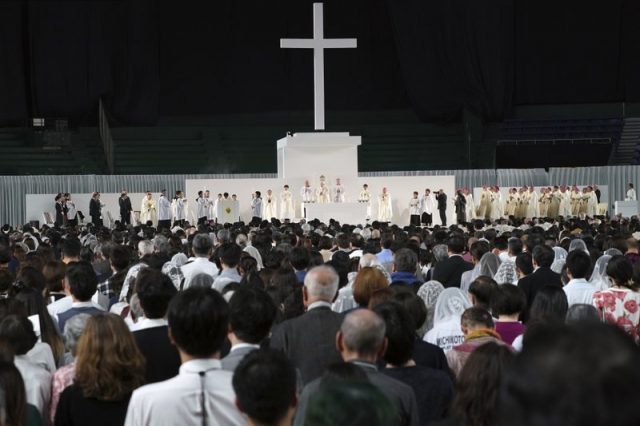
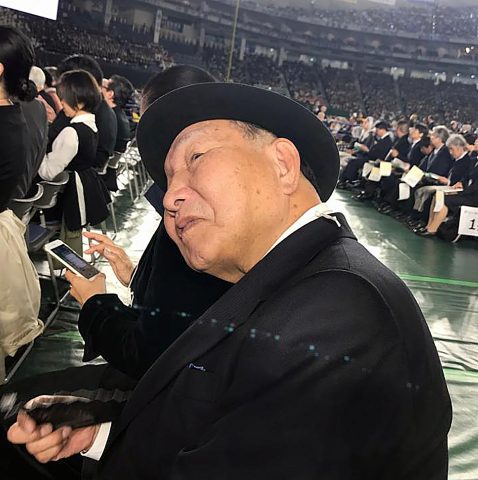
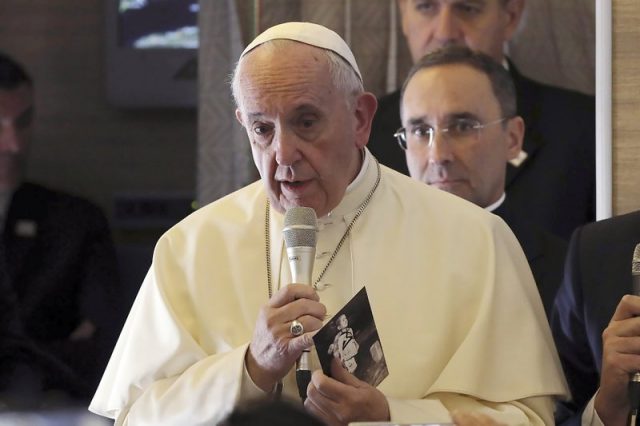
My AP Story Nov. 25, 2019 on Iwao Hakamada, a former boxer who spent 48 years in prison for murders he says he didn’t commit, taking part in Pope Francis’ Mass at the Tokyo Dome.
In this photo provided by Mario Marazziti, Iwao Hakamada sits in his seat at Tokyo Dome in Tokyo as he waits for Pope Frances’ Holy Mass on Monday, Nov. 25, 2019. Hakamada, a former Japanese professional boxer who spent 48 years in prison for murders he says he did not commit was among some 50,000 people greeting Pope Francis as he entered Tokyo Dome stadium to celebrate Mass on Monday. (Mario Marazziti/Giovanna Ayako via AP)
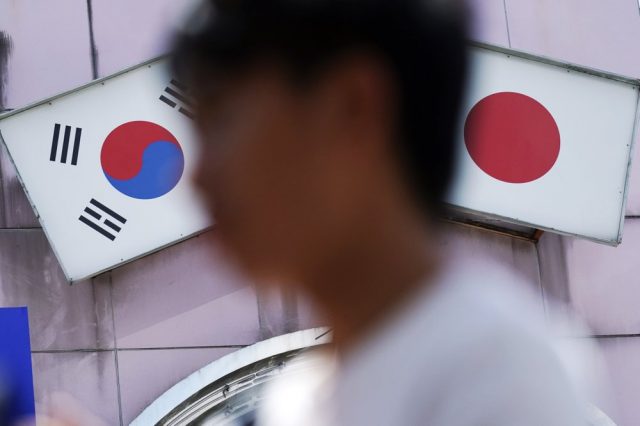
My AP Story Aug. 19, 2019 on the history behind the worsening ties between South Korea and Japan, a collaboration with my Seoul colleague Kim Tong Hyung.
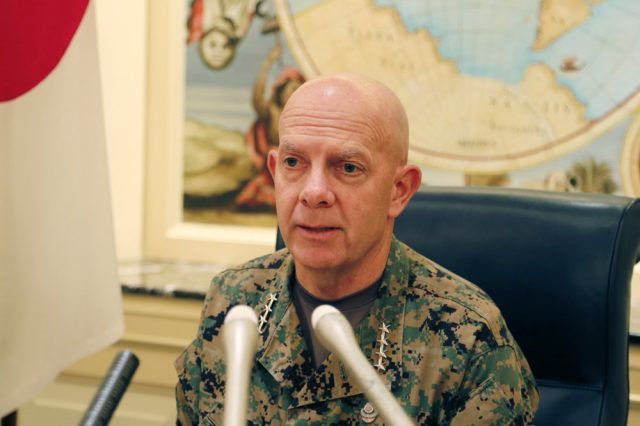
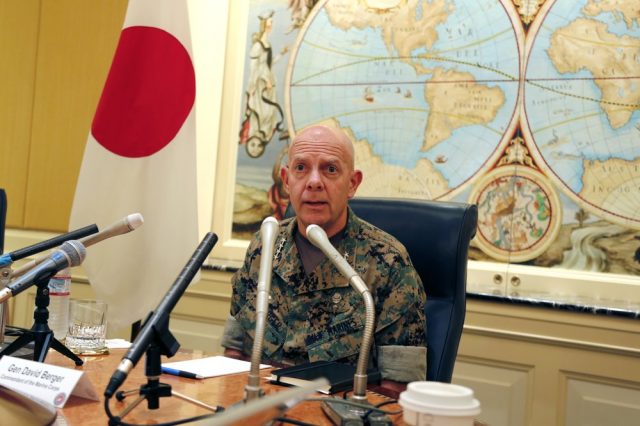
My AP Story Aug. 21, 2019 on the US Marines chief being worried about deteriorating Japan-Korea ties with My AP Photos.
My AP Story May 25, 2019 on how trade is a big issue during President Donald Trump’s state visit, but the deficit problem is worse with neighboring China.
My AP Story July 1, 2019, co-bylined with my colleague in Seoul Hyung-jin Kim, on Japan’s restrictions on exports to South Korea.
My AP Story May 21, 2019 on how Trump’s checking out sumo during his state visit is proving a head-ache.
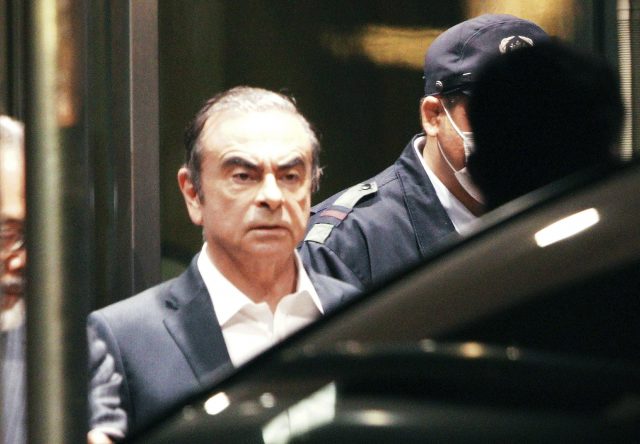
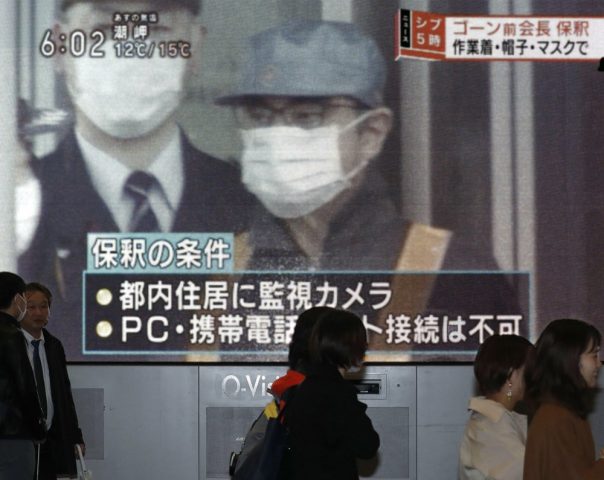
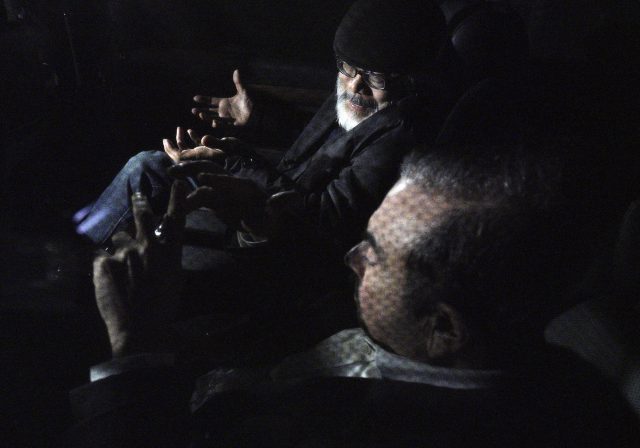
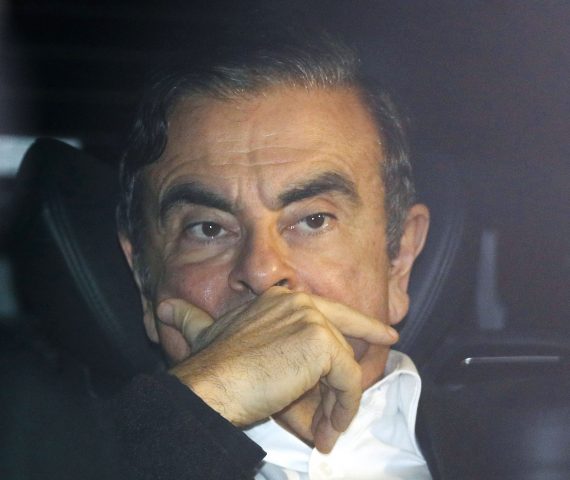
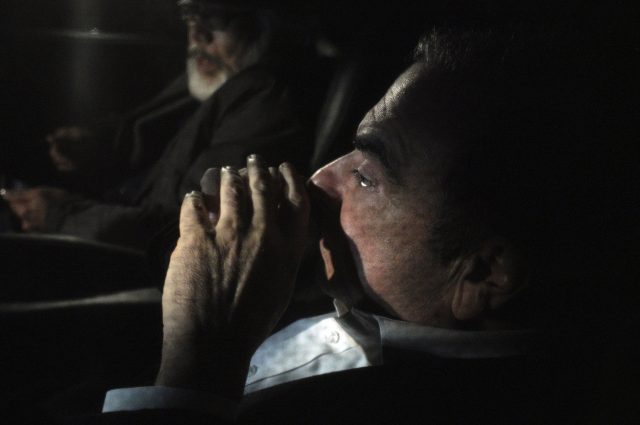
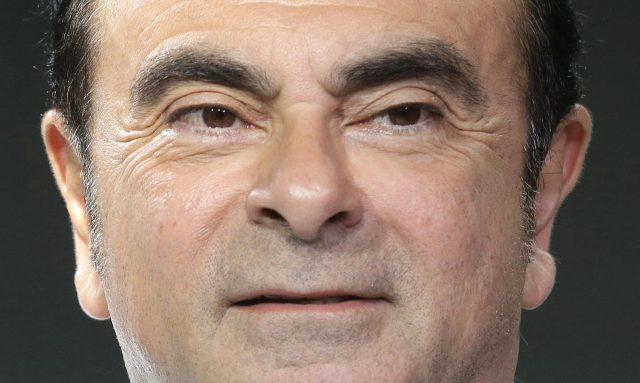
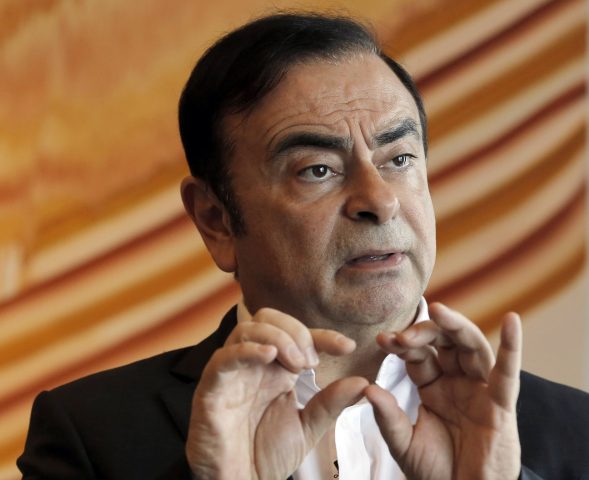
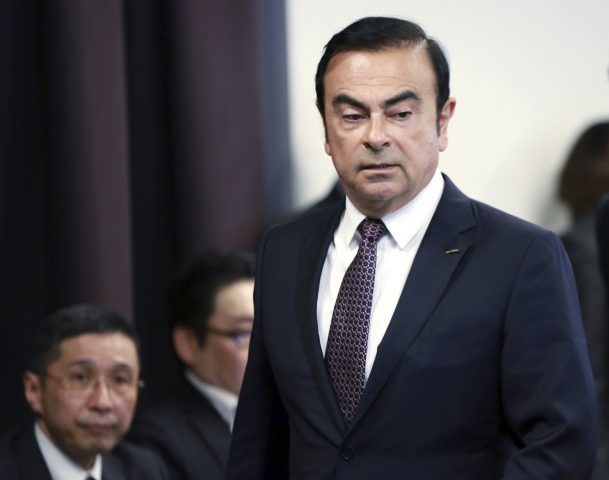
My AP Story Nov. 22, 2019 on a court allowing Carlos Ghosn to talk with his wife Carole, whom he has not been able to talk or meet with for eight months.
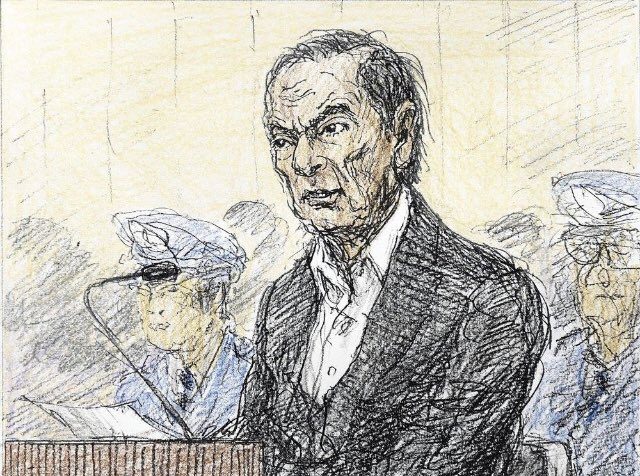
My AP Story Oct. 24, 2019 on how Carlos Ghosn’s defense team is asking charges be dismissed, alleging widespread prosecutorial misconduct will endanger his getting a fair trial.
My AP Story Aug. 6, 2019 on how Mrs. Carole Ghosn is protesting the restrictions on communicating with her husband.
My AP Story April 17, 2019, in which I interview Mrs. Carole Ghosn. She says her husband is ready for a fight but she fears he may not get a fair trial.
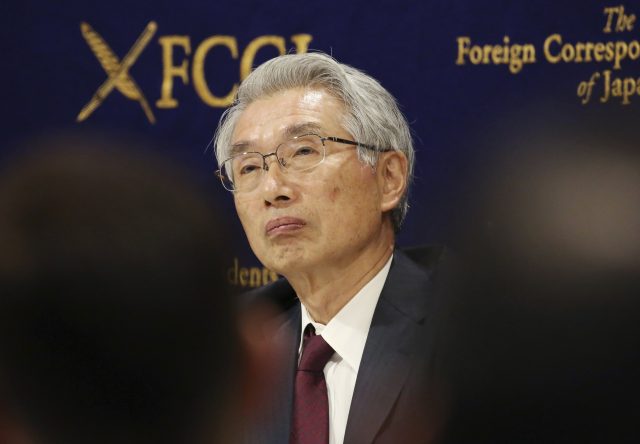
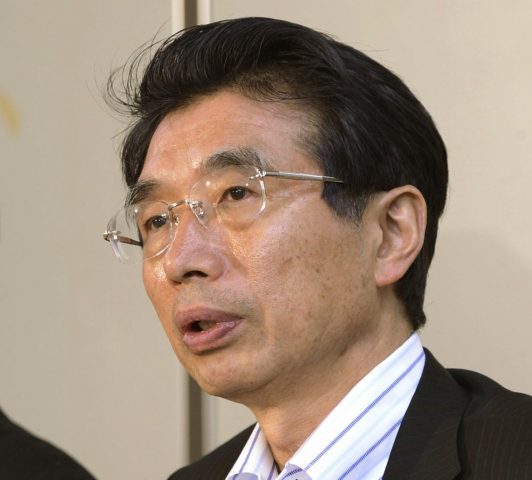
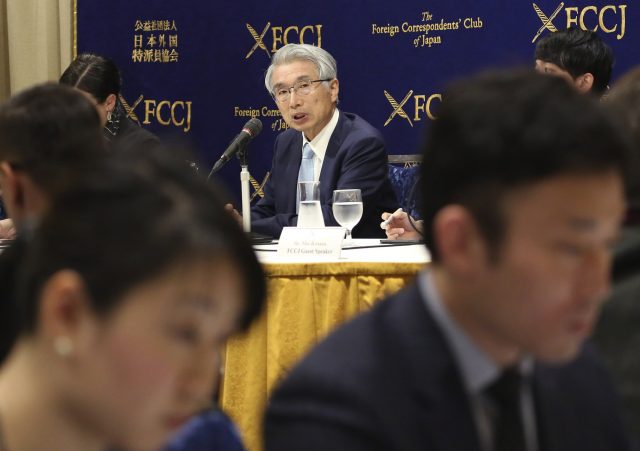
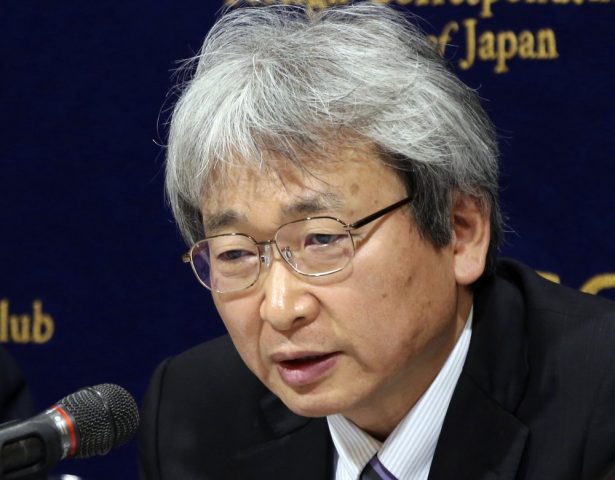
My AP Story June 1, 2019, in which I interview Takashi Takano, a lawyer for Carlos Ghosn who criticized the bail conditions that prevent his client from seeing his wife as violating human rights.
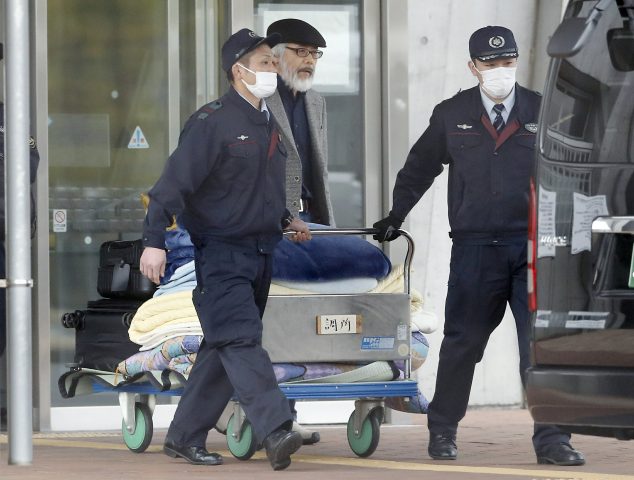
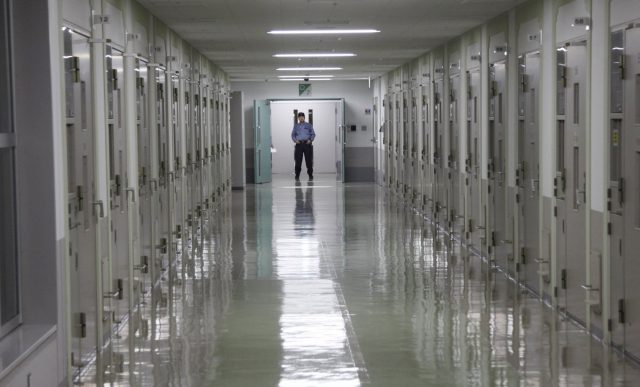
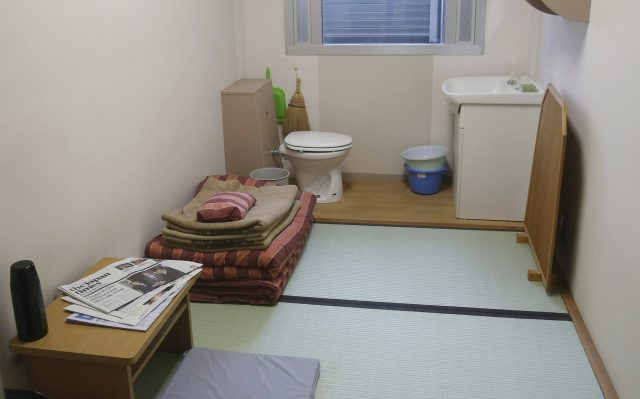
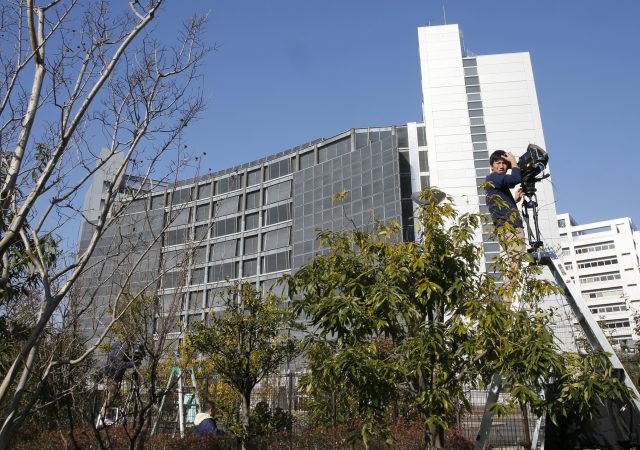
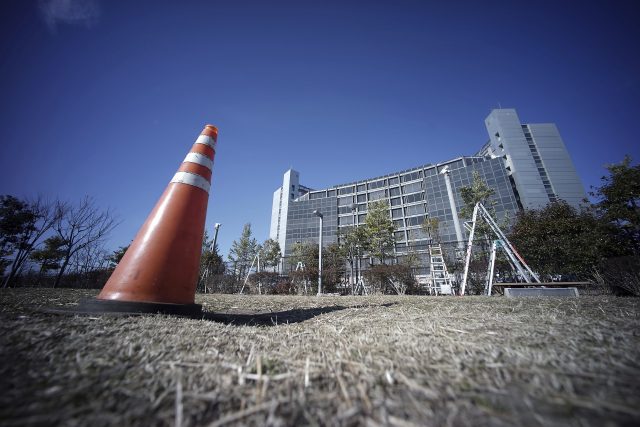
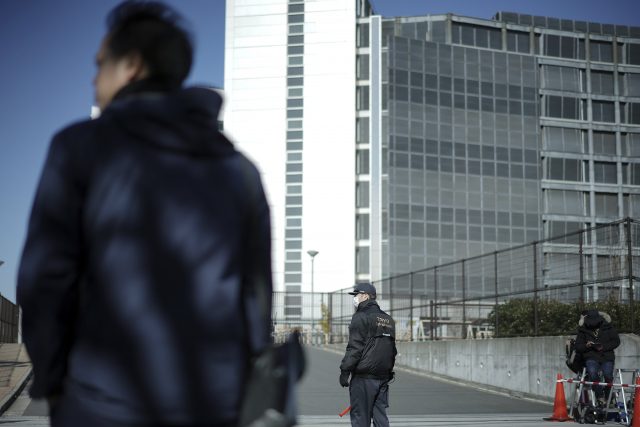
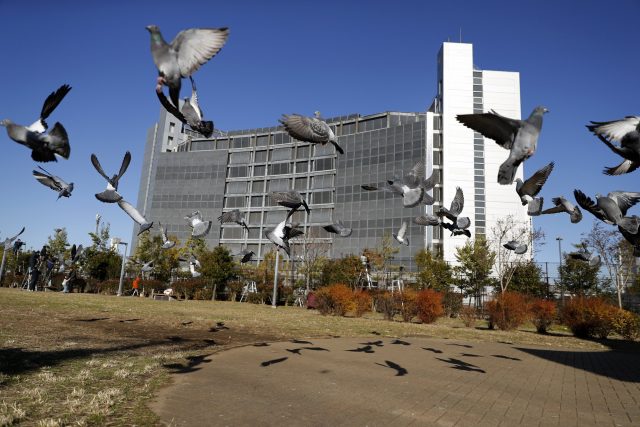
My AP Story June 10, 2019 about my visit to the Tokyo Detention House, where Ghosn was held for 130 days.
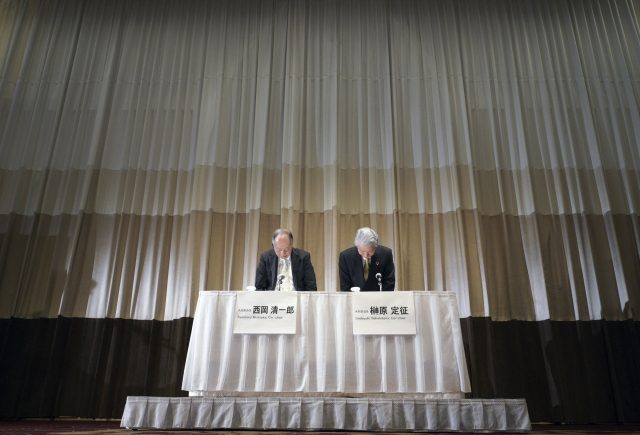
My AP Story June 25, 2019 on Nissan’s shareholders meeting where they approve governance steps and keep Saikawa on its board.
My AP Story June 12, 2019 on how proxy companies are advising Nissan shareholders against approving the reappointment of Hiroto Saikawa as a board director.
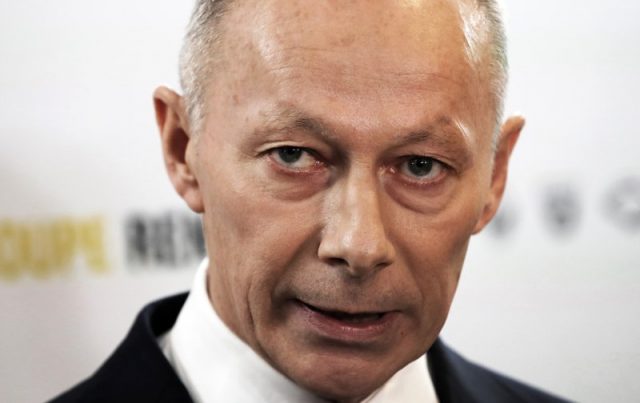
My AP Story May 29, 2019 on Renault talking with Nissan about the Fiat Chrysler merger proposal.
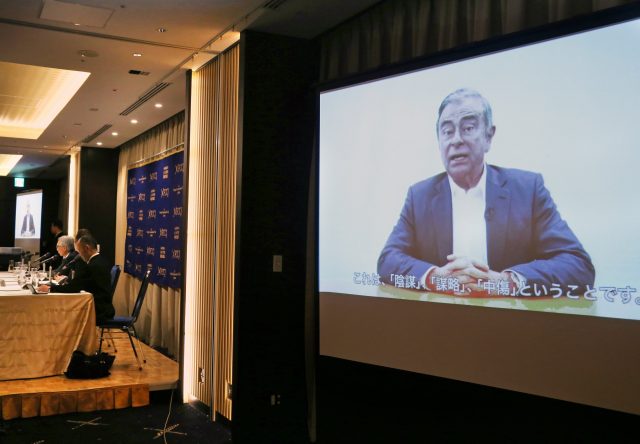
My AP Story April 3, 2019 about Carlos Ghosn saying he will hold a news conference April 11, noting he is ready to tell the truth about what’s happening.
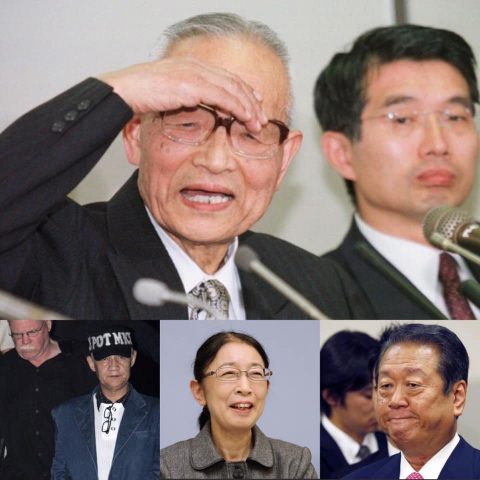
My AP Story Feb. 15, 2019 on Ghosn’s new power defense: The high-profile cases by Junichiro Hironaka. Yoichi Kitamura, the attorney for Greg Kelly, who was arrested with Ghosn, was also on the defense team of Ichiro Ozawa, one of Hironaka’s acquittal wins.
I am a contributor to this AP Story Feb. 8, 2019, with comments from Ghosn’s lawyer and spokeswoman about his Versailles wedding: Ghosn paid for all expenses, didn’t know the rental would be charged to Renault and offers to reimburse Renault.
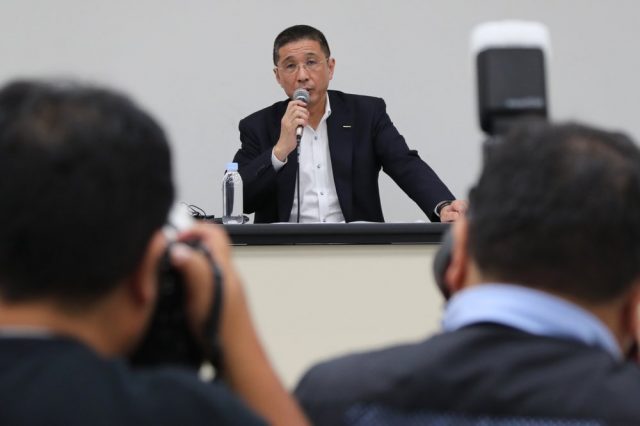
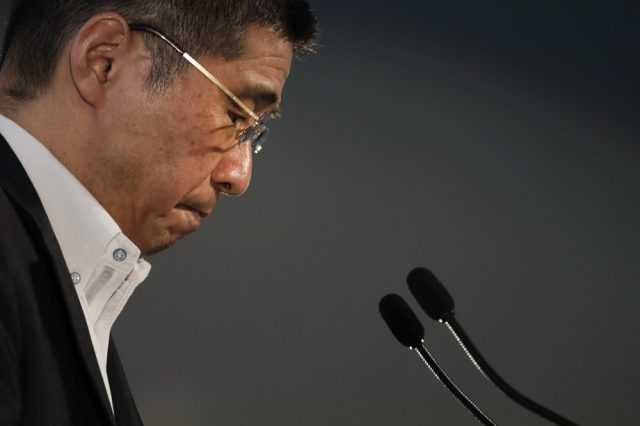
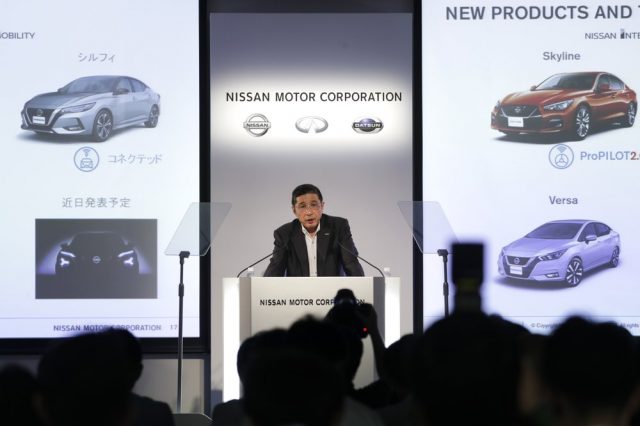
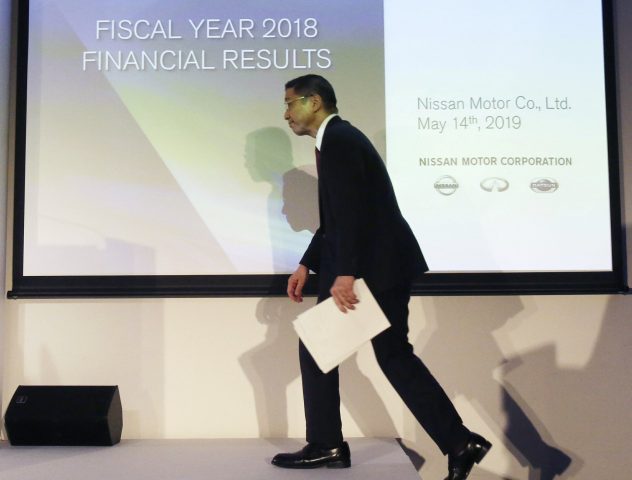
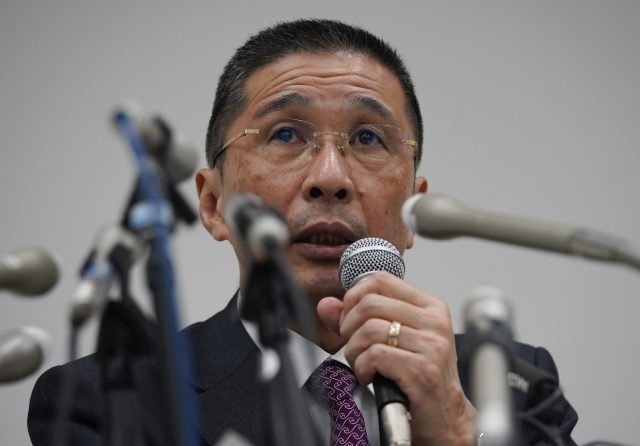
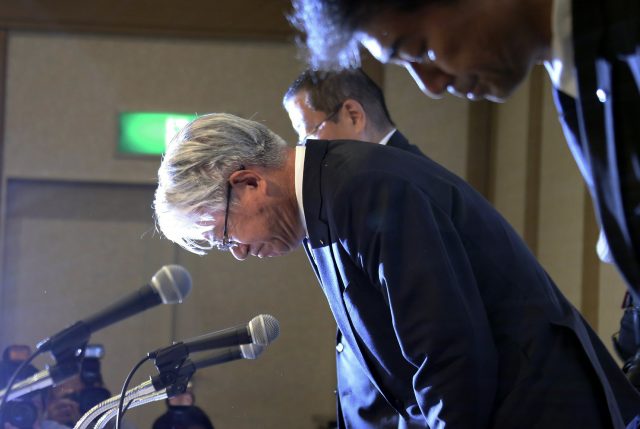
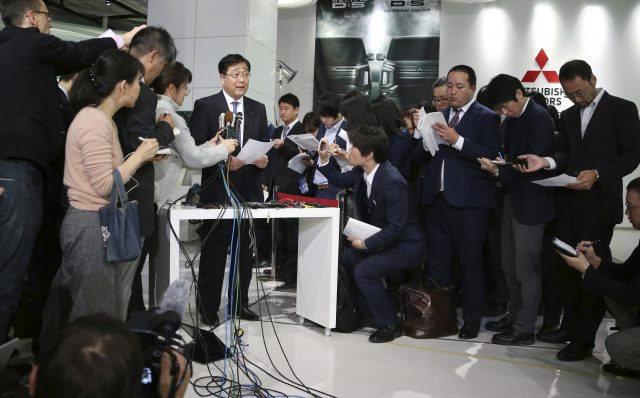
Nissan CEO at the news conference in Yokohama headquarters. Photo by Shuji Kajiyama.
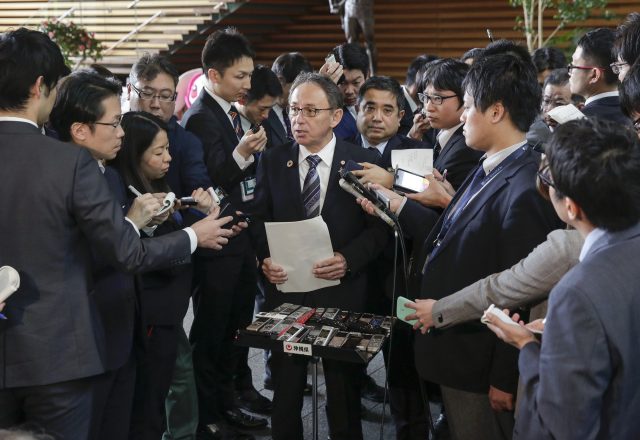
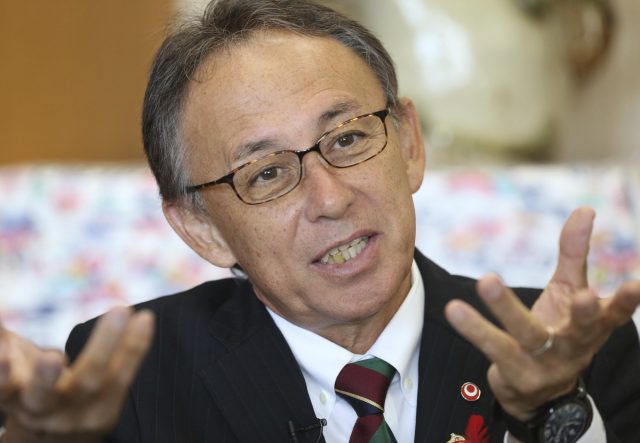
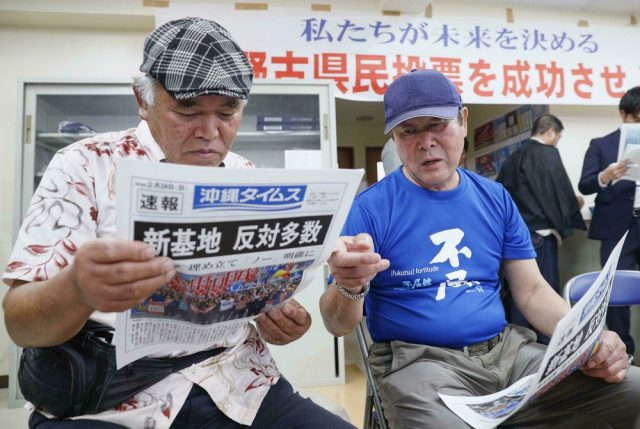
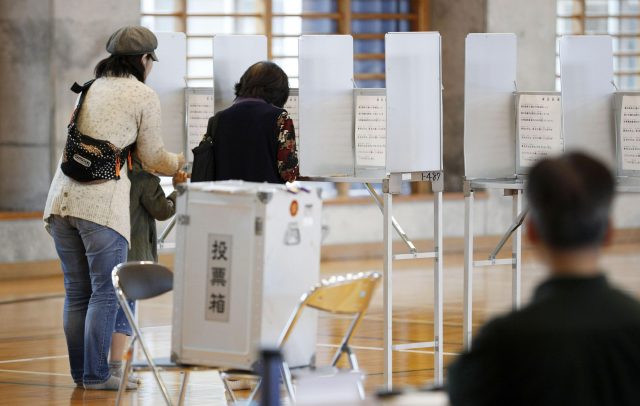
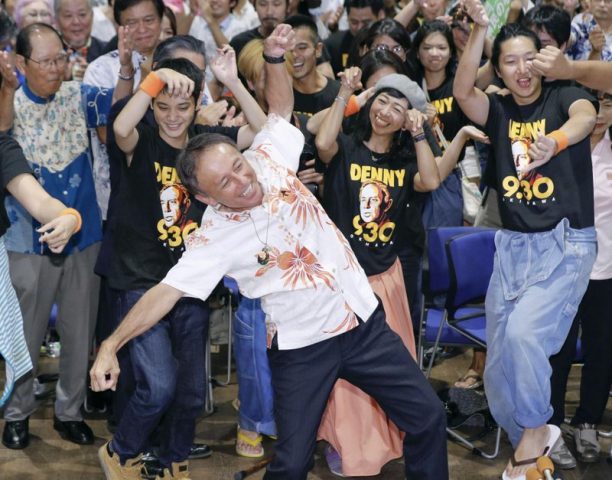
My AP Story March 1, 2019 when Okinawa Gov. Denny Tamaki talks about his meeting with the prime minister on the referendum that rejected the Henoko relocation plan.
I met the former inmate behind this story a few years ago, in 2016, when I was putting together my story “The Very Special Day” with artwork by Munenori Tamagawa. I was thinking of just stapling together printouts, but the visual artist had other ideas. He wanted a real book, and he said he knew someone who knew how to design books, a skill, as it turned out, he had learned in a Japanese prison. I didn’t ask questions. I just assumed he had committed a serious crime because of the long time he had been incarcerated, but felt he deserved to be treated no different from anyone else as he had served his time. I did not even know until he told me his story that he was asserting his innocence. This is his story:
He spent 15 years behind bars for a murder he confessed to, but he says he didn’t commit. His father hanged himself in shame. While in prison, he bit off a piece of his arm in a suicide attempt. Placed on half a dozen tranquilizer pills, he was an addict by the time he finally got out, four years ago.
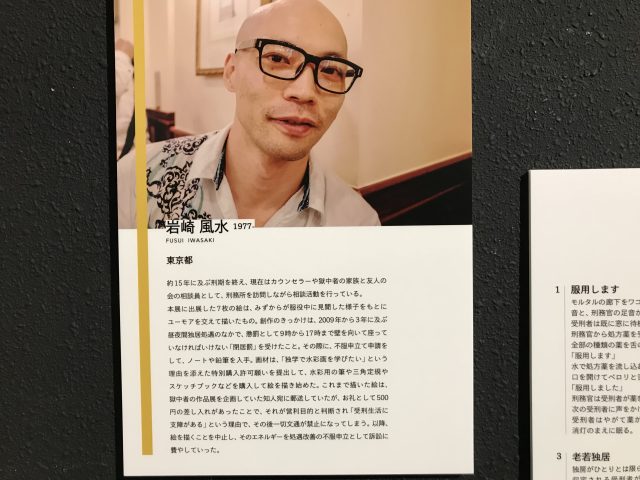
Fengshui Iwazaki, who has changed
his name to protect himself from the social backlash, is still trying to adjust
to being back in the real world.
“Fifteen years _ that’s a whole
generation in a lifetime,” he says, his eyes clear, child-like, much younger
than his 41 years.
His story underlines the treatment
convicts get in Japan, a society that’s so insular and crime-free most people
don’t know much about what it’s like to live the life of a criminal. The arrest
of Nissan’s former Chairman Carlos Ghosn, charged with financial misconduct, is
helping bring international scrutiny to this legal system, which human rights
groups have long criticized as harsh and unfair.
Iwazaki had never before spoken to
me about his experiences, how two decades ago, he had made headlines as a
murderer.
“It
was as though I was a monster,” Iwazaki recalled.
^____<
Iwazaki and others who went through
Japan’s criminal system say prosecutors and police come up with a story-line for
a confession. While interrogated, Iwazaki was taken to the mountains where the
body had been found and directed to point in the right spots, he said.
His girlfriend had been strangled
to death, and he instantly emerged the prime suspect.
He resisted at first but signed
the confession after three weeks of being interrogated daily without a lawyer
present, standard practice in Japan.
He says he was bullied, his hair
pulled, the table banged. After a while, it was easy to cave in.
He believes the real murderer might
be the man who had adopted his then-3-year-old daughter from a previous
relationship. He had planned to live near her someday, not ever telling her he
was the father, just to be close to her. She died in a car accident while he
was serving time.
Prosecutors say they are merely doing
their jobs and didn’t create the system.
Defense lawyers say suspects sign false
confessions and don’t realize it’s too late to assert innocence later in a
trial.
That’s why it is called “hostage
justice.”
Judges tend to believe the
prosecutors’ story line: the conviction rate in Japan is higher than 99%.
Going against such a powerful
trend takes tremendous courage. Unlike the U.S., prosecutors can appeal, meaning
innocent verdicts can get overturned in a higher court.
^___<
The life of imprisonment Iwazaki describes
is austere, isolated and regulated. Each prisoner gets a tiny cell with a
toilet and bedding, unless the prison gets crowded and cells get shared, a
condition that’s increasingly rare.
Communication among inmates is limited
to the 30 minutes of outdoor exercise, or the evening hours, during which TV is
allowed.
Whenever inmates are transported,
they wait in enclosed booths lined next to each other so prisoners won’t mingle,
called “bikkuri-bako,” or “jack-in-the-box.”
Every morning, the convict changes
into green prison garb and gets marched to a factory within the prison grounds.
Iwazaki did menial work like
placing wooden chopsticks into paper wrapping and packing them in boxes. He also
learned how to work the printing presses.
The toughest time was his
three-year solitary confinement doled out as punishment for being a
troublemaker, he said.
One time, out of frustration, he
smashed a window with his bare hand, which added half a year to his sentence.
He was always curious about why others
were locked up.
One inmate, he learned, had tried
to steal money from an ATM to send his son to college. When a guard found him,
he used a stun gun. The guard had a weak heart and died. And so the charge became
murder while committing grand larceny, a serious offense.
“There are no really bad people in
prison,” Iwazaki says with a conviction that is startling.
^____<
There is little in Japanese society
that helps people adjust to life after incarceration.
When Iwazaki was released, he only
had 1,000 yen ($9). He checked into a hospital, pleading insanity. He was running
out of the pills prescribed at the prison.
He finally made it to Eizo Yamagiwa,
a filmmaker who has devoted his life to supporting prisoners. Yamagiwa, who had
visited Iwazaki in prison, gave him money, and Iwazaki finally made it home to
his mom.
Yamagiwa says only the
authorities’ side of the story gets relayed in Japan, influencing judges and
juries so that trials tend to merely work as rubber-stamps for the prosecutors.
The prison system, he said, is so
devastating most people come out sick and unable to continue with their lives.
He said Iwazaki was an exception
in working hard to live a normal life.
^___<
Iwazaki, who had originally
planned to become a schoolteacher, has had his life forever changed.
Retrials to try to overturn guilty
verdicts are rarely granted in Japan. Usually, totally new evidence such as a
DNA test is needed.
Iwazaki is hesitant even to try.
His case is tough because of the mounds of evidence submitted during his trial,
including his confession. His mother has asked he doesn’t pursue a retrial; she
doesn’t want to think about any of it ever again.
Iwazaki lives alone in a stark
room with a tiny drab kitchen and a bathroom. A desk and two chairs are the
only furniture.
On the walls are two drawings signed Masahiro, a man who died on death row. Done meticulously and entirely by pen and pencils, one depicts a bouquet of red roses, the other, Mary and baby Jesus. No one except for Iwazaki had claimed them.
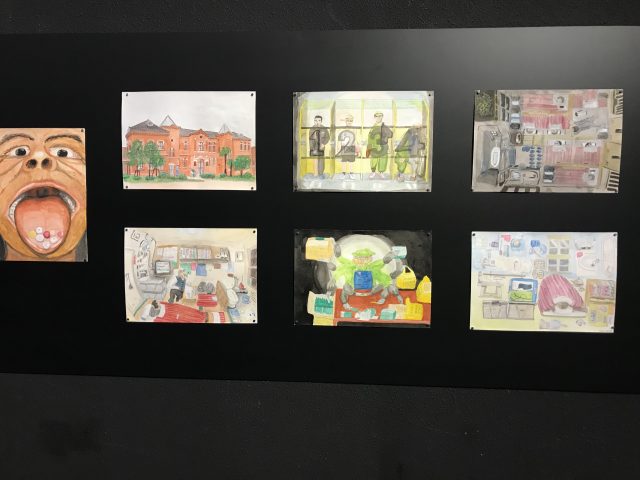
Iwazaki also drew pictures while
in prison: A big close-up of his open mouth filled with pills, a bird’s eye
view of his cell, an inmate working so hard in the factory he is turning into a
blur.
The drawings were part of a show of “art by outsiders” in April 2019, in Tokyo, a milestone for Iwazaki. While in prison, authorities had forbidden such exhibits.
Iwazaki is also in a training program to counsel addicts. He already works as a counselor, having studied various therapy methods, which he says helps calm him. Completing the training means better pay.
He has also found a girlfriend, a carefree woman who works at a dot.com and is passionate about saving lions in Africa. They plan to get married and maybe have children.